
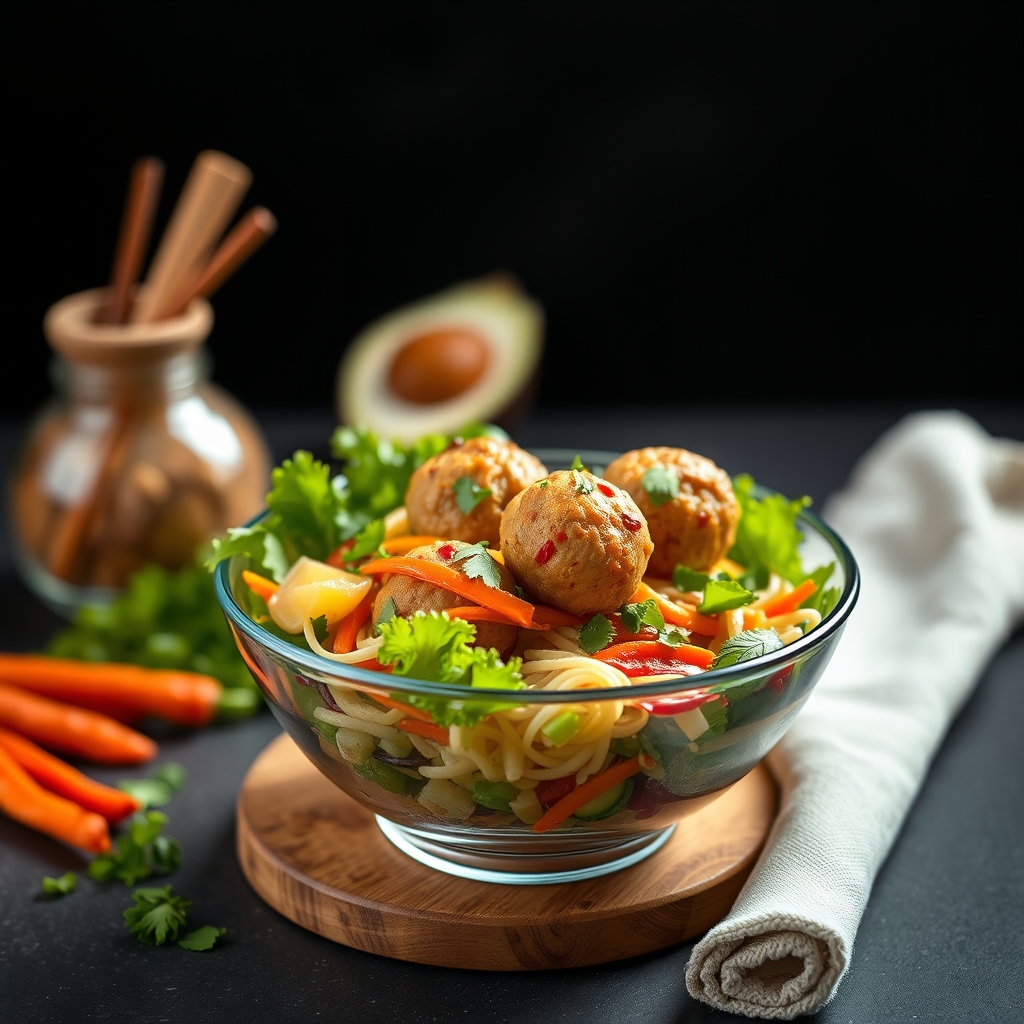
Delicious Chicken Meatball Dinners: Easy & Healthy Recipes
Are you constantly searching for dinner ideas that are both healthy and exciting, yet simple enough to get on the table on a busy weeknight?
In the culinary landscape of modern American homes, the quest for a meal that satisfies both the palate and the practical demands of a busy schedule is never-ending. Among the myriad of choices, one unassuming hero consistently rises to the occasion: the humble meatball. But when one seeks a lighter, equally flavorful, and incredibly versatile alternative to traditional beef , chicken meatballs emerge as a shining star. They offer a canvas for global flavors, a healthy foundation for countless dishes, and a beloved format that appeals to diners of all ages.
Table of Contents
From simmering in rich marinara sauces to glistening with sticky, savory glazes, chicken meatballs provide an exceptional base for truly delicious chicken meatball dinners. They are not just a meal component; they are a solution for families seeking nutritious options, a creative outlet for home cooks, and a testament to how simple ingredients can transform into extraordinary dishes. This article delves into the wonderful world of chicken meatballs, exploring their health benefits, preparation techniques, and a diverse array of recipes that promise to revolutionize your dinner rotation.
Whether one is a seasoned chef or a novice in the kitchen, the journey to crafting delicious chicken meatball dinners is accessible and rewarding. This comprehensive guide will equip readers with the knowledge and inspiration to transform ground chicken into succulent, flavorful meatballs that will undoubtedly become a staple in their kitchens. Prepare to discover the endless possibilities that await with this versatile and beloved protein.
Why Choose Chicken Meatballs for Dinner?
The decision to opt for chicken meatballs for dinner often stems from a desire for meals that are both wholesome and satisfying. Chicken, particularly ground chicken, offers a distinct set of advantages that make it an excellent choice for meatballs compared to its beef or pork counterparts.
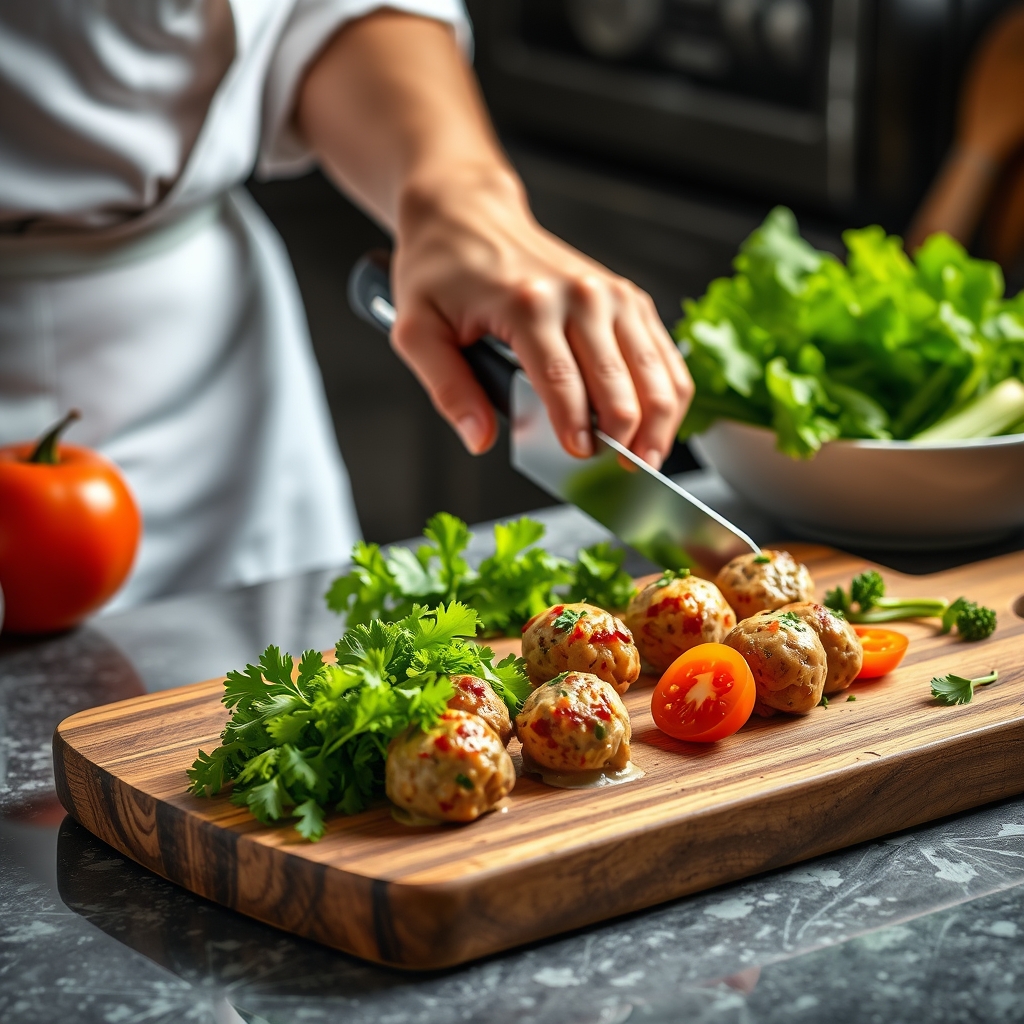
Firstly, chicken is widely recognized as a lean protein source. Ground chicken, especially varieties made from breast meat, is significantly lower in saturated fat and cholesterol. This makes chicken meatballs an ideal option for individuals and families focused on heart-healthy eating or managing their caloric intake without sacrificing protein. A typical serving of lean ground chicken provides essential amino acids necessary for muscle repair, growth, and overall bodily functions, contributing to a balanced diet. Many health organizations, such as the USDA, recommend lean protein sources as part of a healthy diet, highlighting chicken as a prime example. External Link: USDA MyPlate on Protein Foods
Beyond the nutritional benefits, the neutral flavor profile of ground chicken is a culinary superpower. Unlike beef or pork, which have more assertive flavors, chicken readily absorbs the tastes of herbs, spices, and sauces it’s cooked with. This incredible versatility means one can create Italian-style meatballs one night and Asian-inspired meatballs the next, using essentially the same base ingredient. This adaptability is invaluable for preventing mealtime monotony and catering to diverse palates within a household.
Furthermore, chicken meatballs are inherently kid-friendly. Their bite-sized format is easy for small hands to manage, and their mild flavor, when seasoned appropriately, is generally well-received by even the pickiest eaters. Parents often find success in incorporating vegetables into chicken meatballs, subtly boosting nutrient intake without detection. This makes them a secret weapon for parents aiming to provide nutritious and appealing meals.
Finally, the ease of preparation is a significant draw. Ground chicken is quick to cook, and meatballs, once formed, can be baked, pan-fried, simmered, or air-fried with minimal fuss. This efficiency makes delicious chicken meatball dinners a practical choice for busy weeknights, allowing families to enjoy a homemade, wholesome meal without extensive time commitments.
Essential Ingredients for Perfect Chicken Meatballs
Crafting truly delicious chicken meatball dinners begins with understanding the core components that contribute to their texture, moisture, and flavor. Each ingredient plays a crucial role in transforming ground chicken into succulent, irresistible spheres.
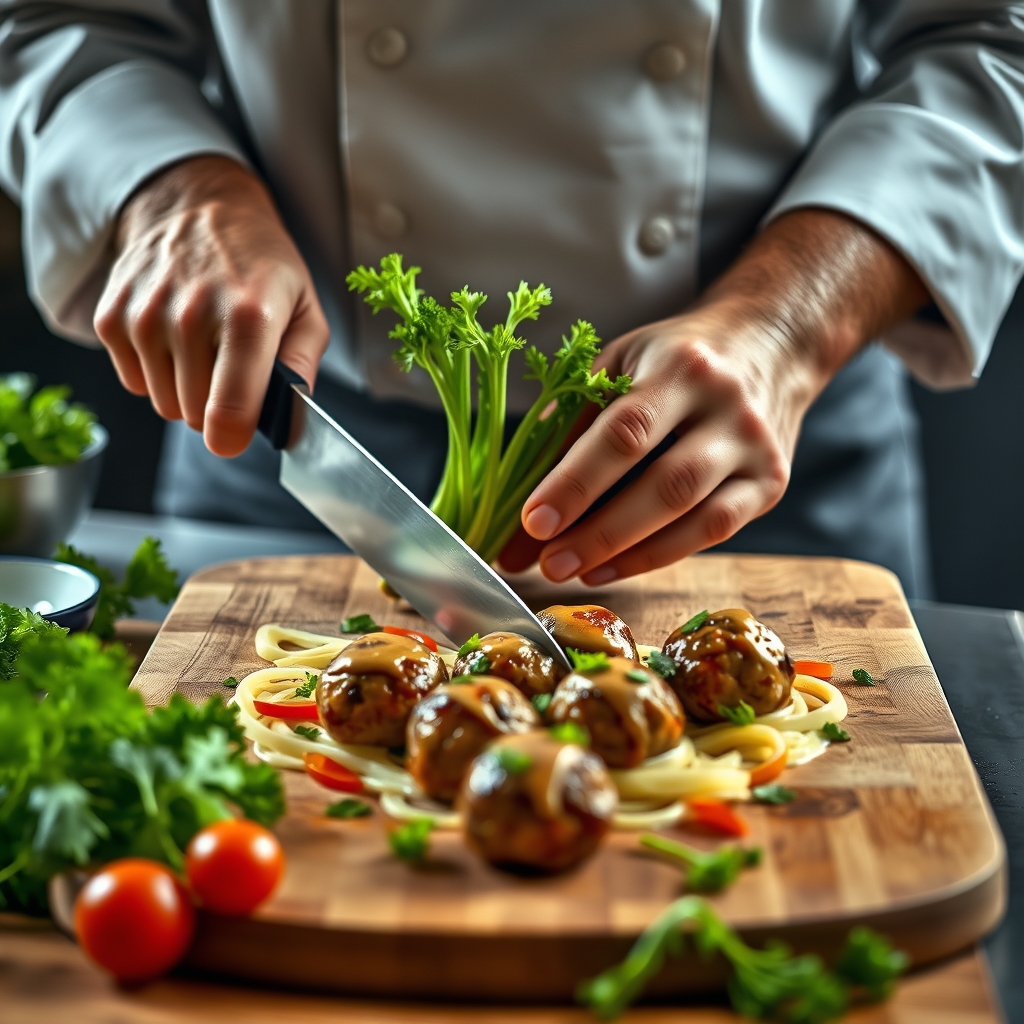
The foundation, of course, is ground chicken. One can typically find ground chicken in various fat percentages, similar to ground beef. Leaner options, often derived from chicken breast, offer fewer calories and less fat, making them excellent for health-conscious meals. However, ground chicken that includes a mix of dark meat (thighs) or a slightly higher fat content can result in juicier, more tender meatballs, as fat contributes to moisture and flavor. Choosing organic or pasture-raised chicken can also enhance flavor and align with specific dietary preferences.
Next, a binder is essential to hold the meatballs together and prevent them from crumbling during cooking. The most common binders include:
- Breadcrumbs: Panko breadcrumbs provide a lighter, crisper texture, while regular breadcrumbs (fresh or dried) offer a more traditional density. They absorb moisture, keeping the meatballs from drying out.
- Eggs: One or two large eggs per pound of ground chicken typically suffice. Eggs act as a powerful emulsifier, binding the ingredients and adding richness.
- Oat flour or rolled oats: For gluten-free options or a slightly different texture, finely ground oats can be an excellent substitute for breadcrumbs.
- Cooked grains: Cooked quinoa or rice can also serve as binders, adding texture and fiber.
Flavor enhancers are where the magic truly happens, allowing one to customize meatballs to any cuisine.
- Aromatics: Finely minced onion and garlic are almost universally used, providing a foundational savory base. Shallots or green onions can offer milder alternatives.
- Herbs: Fresh herbs like parsley, basil, oregano, cilantro, dill, or mint introduce vibrant, fresh notes. Dried herbs are also effective, though their flavor is more concentrated.
- Spices: Depending on the desired flavor profile, spices like paprika, cumin, coriander, ginger, chili powder, or Italian seasoning can elevate the meatballs.
- Cheese: Grated Parmesan, Pecorino Romano, or even a mild cheddar can add umami and moisture, particularly in Italian or American-style meatballs.
- Umami boosters: A dash of Worcestershire sauce, soy sauce, fish sauce, or a bit of tomato paste can deepen the savory notes without overpowering the chicken.
Finally, ensuring adequate moisture is key to preventing dry meatballs.
- Milk or broth: A tablespoon or two of milk, chicken broth, or even water can help keep the mixture moist.
- Pureed vegetables: Finely grated zucchini, carrots, or mushrooms can add moisture, nutrients, and subtle flavor without being detected, especially useful for picky eaters.
By carefully selecting and balancing these ingredients, one can consistently produce tender, flavorful, and delicious chicken meatball dinners that impress every time.
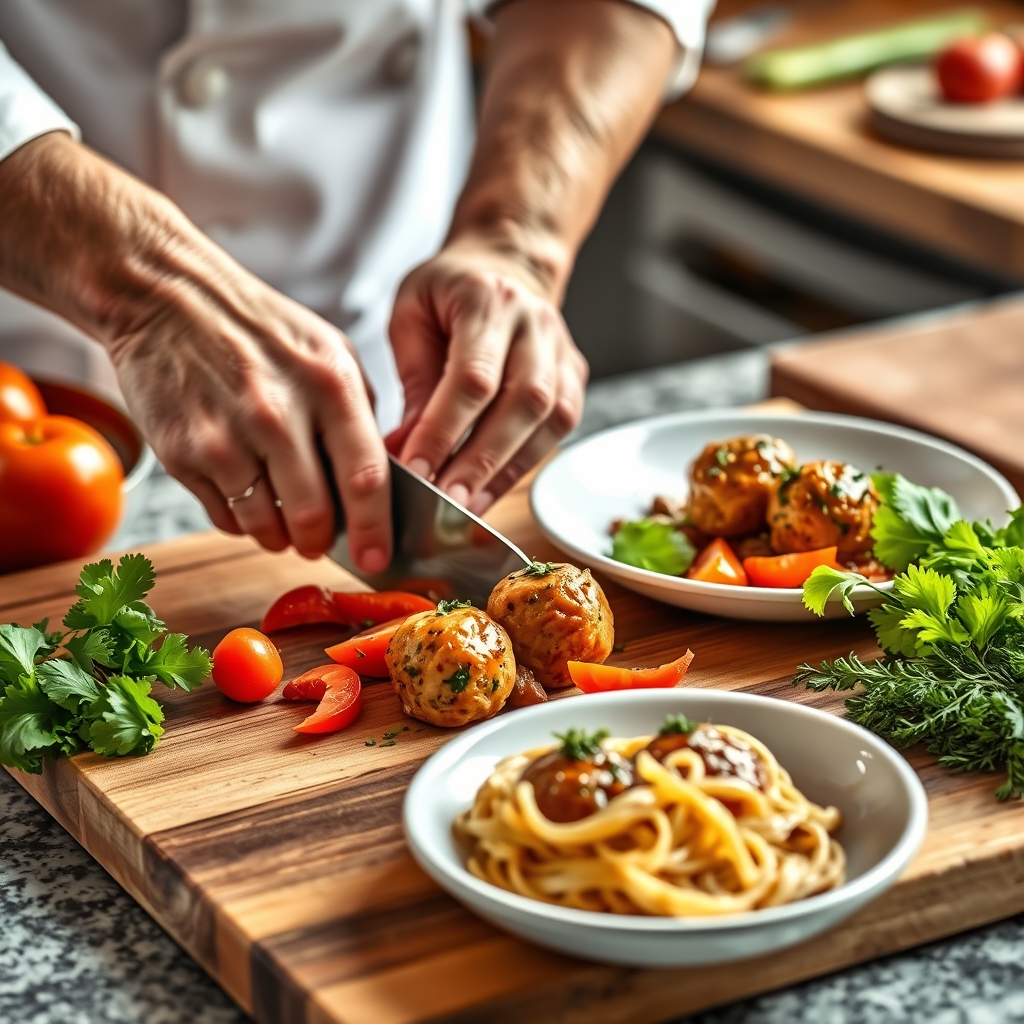
Mastering the Art of Chicken Meatball Preparation
Creating perfect chicken meatballs is less about complex techniques and more about understanding a few fundamental principles. With careful attention to detail, one can achieve consistently tender, juicy, and flavorful results every time, laying the groundwork for truly delicious chicken meatball dinners.
The first crucial step is mixing the ingredients. The golden rule here is do not overmix. Overworking ground meat can lead to tough, dense meatballs because it develops the protein strands excessively. Instead, combine all ingredients – ground chicken, binders, aromatics, herbs, spices, and any liquids – gently. Use your hands for the best feel, mixing just until everything is evenly distributed. The mixture should be cohesive but still light. Some chefs even recommend chilling the mixture for 15-30 minutes before forming, as this can help the flavors meld and make the mixture easier to handle.
Next comes forming the meatballs. Consistency in size is paramount for even cooking. If meatballs are uneven, some will be overcooked and dry while others are still raw. A small cookie scoop or a tablespoon measure is an excellent tool for portioning. Aim for meatballs roughly 1 to 1.5 inches in diameter for most recipes. Gently roll the portions between your palms to create a smooth, compact sphere. Avoid pressing too firmly, which can again lead to dense meatballs. A light touch ensures a tender interior.
Once formed, the meatballs are ready for cooking. There are several popular methods, each yielding slightly different results:
- Baking: This is often the healthiest and easiest method, especially for large batches. Arrange meatballs on a parchment-lined baking sheet, leaving some space between them. Bake at 375-400°F (190-200°C) for 15-25 minutes, or until cooked through and lightly browned. Baking results in a more uniformly cooked meatball with less added fat.
- Pan-frying: Frying in a skillet with a small amount of oil creates a beautifully browned, slightly crispy exterior, adding depth of flavor. Heat a skillet over medium-high heat with a tablespoon or two of olive oil or another cooking oil. Brown the meatballs on all sides, then reduce heat and continue cooking until they are cooked through, or transfer them to a simmering sauce to finish.
- Simmering in Sauce: For deeply flavored meatballs, one can gently drop raw or lightly browned meatballs directly into a simmering sauce (like marinara or a curry sauce) and cook them until they are done. This method infuses the meatballs with the sauce’s flavors from the inside out and keeps them incredibly moist.
- Air Frying: This method offers a great balance of crispy exterior and juicy interior with minimal oil. Arrange meatballs in a single layer in the air fryer basket and cook at 375-400°F (190-200°C) for 10-15 minutes, shaking the basket occasionally, until golden and cooked through.
Regardless of the cooking method, the internal temperature of chicken meatballs should reach 165°F (74°C) to ensure they are safe to eat. A meat thermometer is a reliable tool for verification. By mastering these simple preparation techniques, one is well on their way to crafting truly delicious chicken meatball dinners that are tender, juicy, and bursting with flavor.
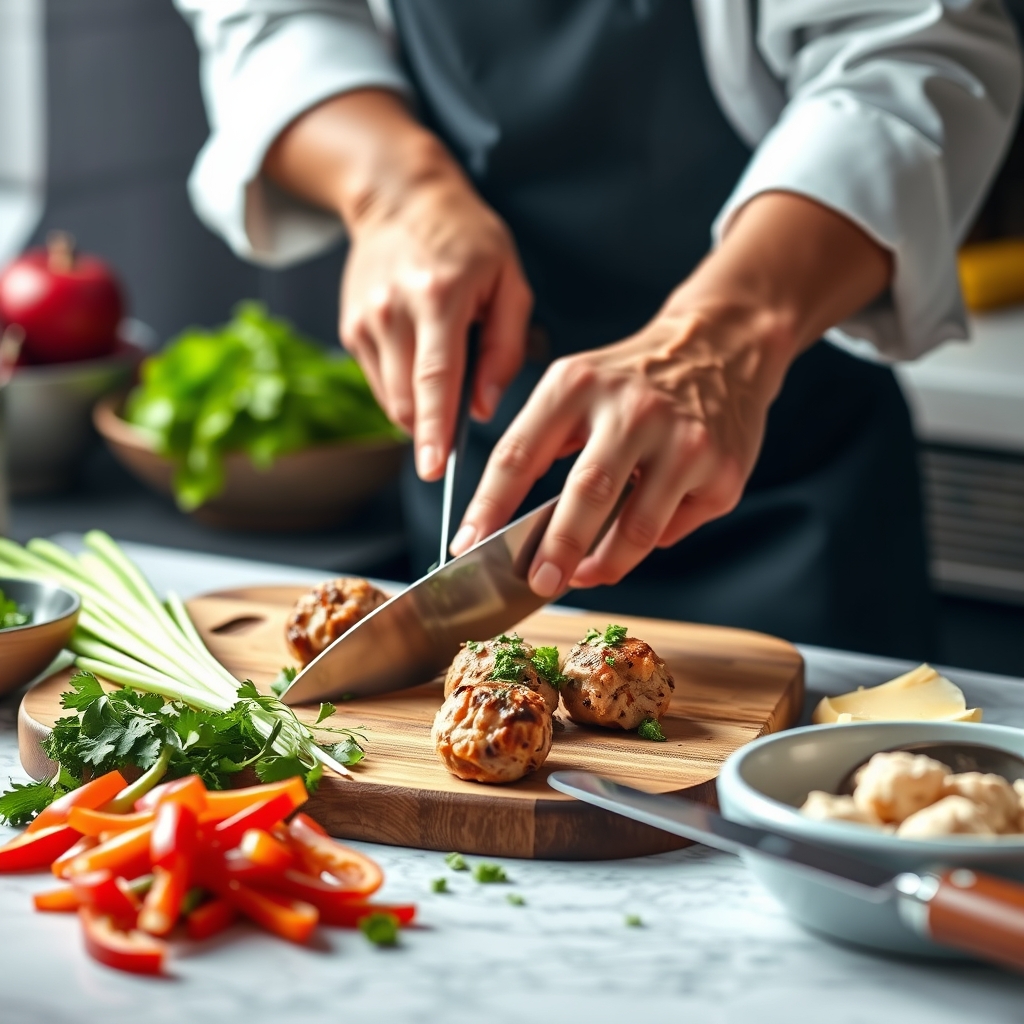
Delicious Chicken Meatball Dinners: A World of Flavors
The true magic of chicken meatballs lies in their incredible adaptability to a myriad of global cuisines. Their mild flavor profile acts as a blank canvas, eagerly absorbing the vibrant spices, savory sauces, and aromatic herbs from around the world. This versatility ensures that delicious chicken meatball dinners can be a constant source of culinary adventure, never becoming repetitive.
Italian-Inspired Classics
When one thinks of meatballs, Italian cuisine often comes to mind first. Chicken meatballs are a fantastic, lighter alternative to traditional beef or pork versions, yet they deliver all the beloved flavors.
- Spaghetti and Chicken Meatballs: The quintessential comfort food. Season ground chicken with Parmesan cheese, garlic, dried oregano, basil, and a touch of red pepper flakes. Brown them, then simmer in a rich homemade or store-bought marinara sauce until tender. Serve over al dente spaghetti, garnished with fresh basil and more grated cheese. This dish is a timeless family favorite.
- Chicken Meatball Subs: For a hearty, satisfying meal, nestle cooked Italian-style chicken meatballs into crusty hoagie rolls. Top generously with marinara sauce and a blend of melted mozzarella and provolone cheese. A quick run under the broiler melts the cheese to perfection.
- Minestrone with Chicken Meatballs: Elevate a classic vegetable and pasta soup by adding small, flavorful chicken meatballs. They add a wonderful protein boost and heartiness to this already wholesome dish.
Asian-Fusion Delights
Chicken’s affinity for Asian flavors makes it a natural fit for creating vibrant and exciting meatball dishes.
- Teriyaki Chicken Meatballs: Combine ground chicken with grated ginger, minced garlic, a splash of soy sauce, and a touch of sesame oil. Bake or pan-fry until cooked, then toss them in a sticky, homemade or store-bought teriyaki glaze. Serve with steamed jasmine rice and stir-fried broccoli for a complete meal. External Link: Allrecipes Teriyaki Chicken Meatballs
- Sweet and Sour Chicken Meatballs: Mix ground chicken with water chestnuts for crunch, green onions, and a hint of ginger. Cook and then coat in a tangy sweet and sour sauce made with pineapple juice, vinegar, soy sauce, and brown sugar. Excellent with rice and bell peppers.
- Lemongrass and Coconut Curry Meatballs: Infuse chicken meatballs with fragrant lemongrass, chili, and cilantro. Simmer them in a creamy coconut curry sauce with vegetables like bell peppers and snap peas. Serve with fragrant basmati rice or naan bread.
Mediterranean Marvels
The fresh, bright flavors of the Mediterranean region perfectly complement lean chicken.
- Lemon-Herb Chicken Meatballs with Tzatziki: Season ground chicken with fresh parsley, mint, oregano, lemon zest, and garlic. Bake or pan-fry, then serve with a cooling cucumber-yogurt tzatziki sauce, warm pita bread, and a Greek salad.
- Moroccan-Spiced Chicken Meatballs (Kefta): Incorporate spices like cumin, coriander, paprika, and a pinch of cinnamon into the chicken mixture. Simmer these meatballs in a fragrant tomato-based sauce with chickpeas and apricots. Serve with couscous for a truly aromatic and satisfying dinner.
- Chicken Kofta Skewers: Form elongated chicken kofta (meatballs) around skewers, grill or pan-fry them, and serve with a fresh tomato and cucumber salad, hummus, and a drizzle of tahini.
American Comfort Food
Chicken meatballs can also be adapted to classic American comfort dishes, offering lighter versions of beloved meals.
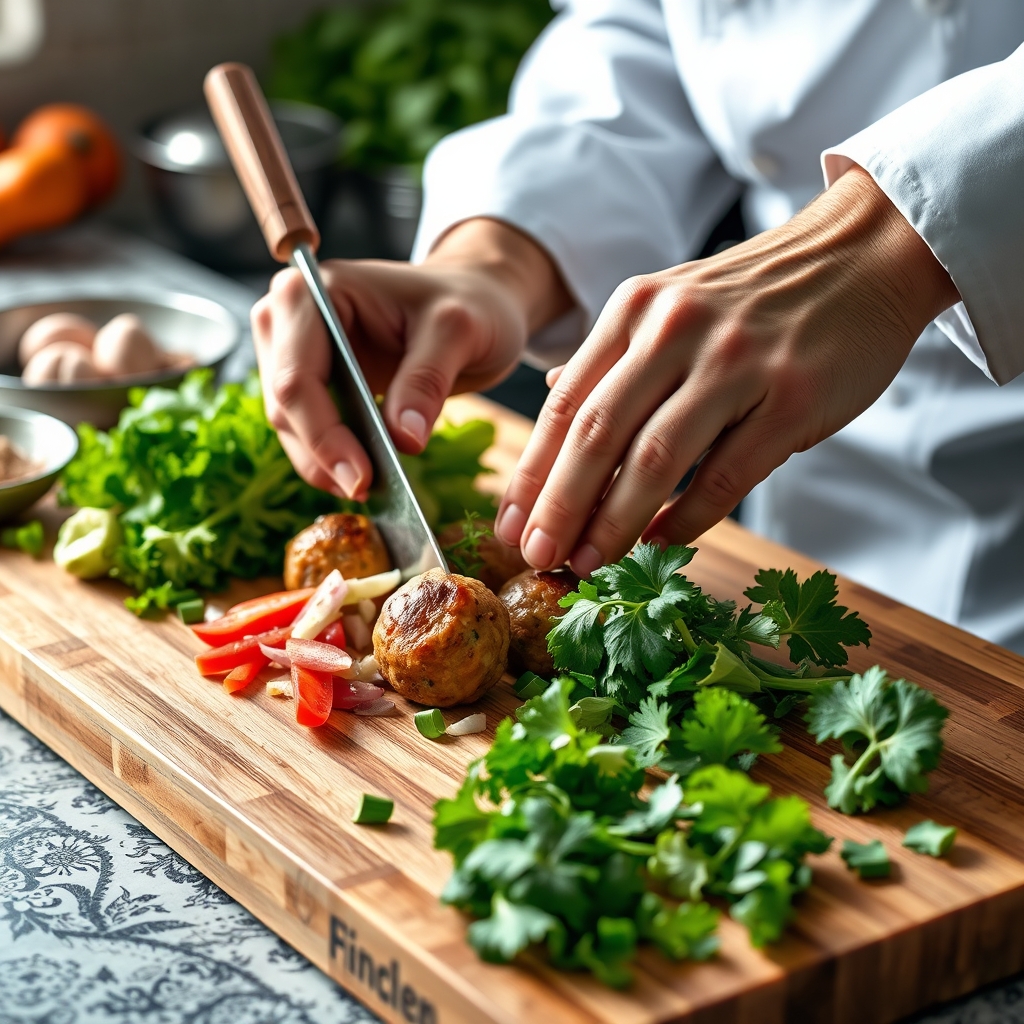
- BBQ Chicken Meatballs: Mix ground chicken with finely minced onion, a touch of brown sugar, and a dash of smoked paprika. Bake, then toss in your favorite smoky BBQ sauce. These are perfect as appetizers or served over mashed potatoes or baked beans for a hearty dinner.
- Chicken “Swedish” Meatballs: Create a lighter version of this creamy classic. Season chicken meatballs with allspice and nutmeg. Brown them, then simmer in a rich, creamy gravy often made with chicken broth, cream, and a touch of Dijon mustard. Serve over egg noodles or mashed potatoes with a side of lingonberry jam.
- Chicken Meatball Sliders: Smaller, bite-sized chicken meatballs, flavored with classic American spices, served on mini buns with cheese and a simple sauce, make for fun, casual dinners or party food.
Kid-Friendly Favorites
The appeal of meatballs to children is undeniable, and chicken offers a fantastic opportunity to create nutritious yet delicious options.
- Hidden Veggie Chicken Meatballs: Finely grate carrots, zucchini, or mushrooms and incorporate them into the chicken mixture. Kids often won’t notice the added vegetables, making these a healthy win. Serve with a mild tomato sauce or a simple cheese sauce.
- Cheesy Chicken Meatballs: Mix shredded cheddar or mozzarella directly into the meatball mixture before cooking. The melted cheese inside adds moisture and a flavor that most kids adore.
- Mini Chicken Meatball Soup: Small chicken meatballs can be added to clear broths with alphabet pasta and small diced vegetables for a comforting and easy-to-eat soup.
The sheer variety of delicious chicken meatball dinners one can create is truly inspiring. Each cuisine offers a unique journey of flavors, transforming a simple ingredient into an unforgettable meal.
Pairing Your Chicken Meatballs: Sides and Sauces
The success of delicious chicken meatball dinners often lies not just in the meatballs themselves, but in the harmonious pairing of complementary sides and sauces. These accompaniments elevate the meal, adding texture, moisture, and balancing flavors.
Sauces are arguably the most critical component after the meatballs. They can transform the entire dish and dictate its culinary identity.
- Classic Marinara or Tomato Sauce: A timeless choice, especially for Italian-inspired chicken meatballs. A rich, slow-simmered marinara provides acidity and sweetness that perfectly cuts through the richness of the meat. Pesto or a creamy rosé sauce can also work wonders.
- Asian Glazes: Teriyaki, sweet and sour, peanut sauce, or a spicy gochujang glaze are fantastic for Asian-style chicken meatballs. These sauces typically offer a balance of sweet, savory, and sometimes spicy notes.
- Creamy Sauces: A mushroom-cream sauce for “Swedish” chicken meatballs, a light lemon-cream sauce, or a béchamel can add luxurious richness and comfort.
- Yogurt-Based Sauces: Tzatziki (cucumber-yogurt), raita (mint-yogurt), or a simple lemon-dill yogurt sauce provides a refreshing, tangy contrast, particularly good with Mediterranean or Middle Eastern flavored meatballs.
- BBQ Sauce: Smoky, sweet, and tangy BBQ sauce is excellent for American-style chicken meatballs, making them perfect for casual gatherings or family dinners.
When it comes to sides, the goal is to complement the meatballs without overpowering them, while also adding nutritional balance and textural variety.
- Pastas: Spaghetti, fettuccine, penne, or even a delicate orzo are classic choices for saucy meatballs, allowing the pasta to soak up all the delicious flavors.
- Grains: Steamed jasmine rice, fluffy basmati rice, quinoa, or couscous are versatile options that pair well with almost any international flavor profile. They are excellent for soaking up sauces and providing a wholesome base.
- Mashed Potatoes or Cauliflower Mash: Creamy mashed potatoes offer a comforting, hearty side that works beautifully with richer sauces, while cauliflower mash provides a lighter, lower-carb alternative.
- Roasted or Steamed Vegetables: Broccoli, green beans, asparagus, carrots, bell peppers, or zucchini are healthy and colorful additions. Roasting brings out their natural sweetness and a slight caramelization, while steaming keeps them crisp-tender.
- Fresh Salads: A simple green salad with a vinaigrette, a bright Greek salad, or an Asian slaw can provide a refreshing counterpoint to the richness of the meatballs and sauces.
- Bread: Crusty bread, garlic bread, pita bread, or naan are perfect for soaking up any leftover sauce, ensuring not a drop of flavor goes to waste.
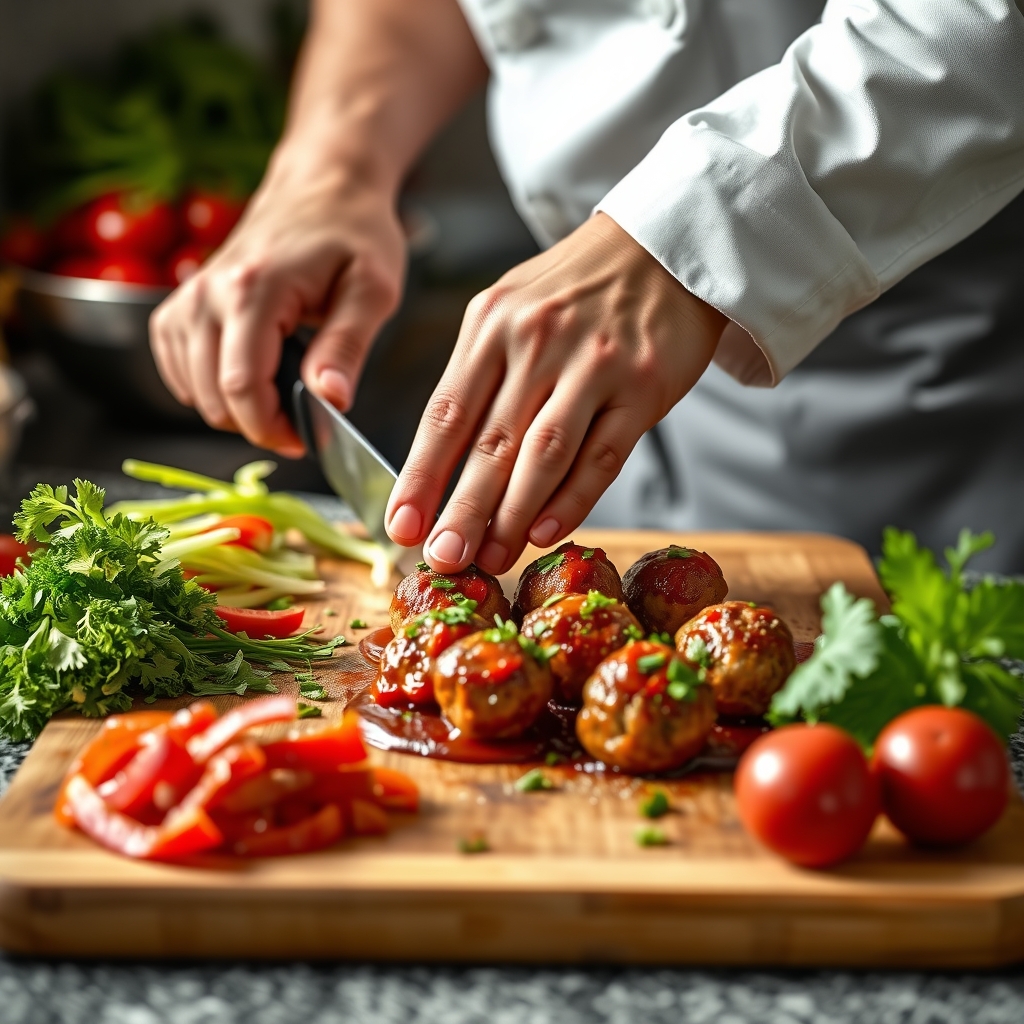
By thoughtfully selecting sauces and sides, one can transform delicious chicken meatball dinners into complete, well-rounded, and utterly satisfying meals that cater to diverse tastes and occasions.
Meal Prep Strategies for Chicken Meatballs
For those seeking to streamline their weekly cooking routine, chicken meatballs are an absolute dream for meal prepping. Their versatility, ease of cooking, and excellent freezer-friendliness make them a staple for anyone looking to save time and effort during busy weekdays. Implementing effective meal prep strategies can ensure that delicious chicken meatball dinners are always within easy reach.
One of the most straightforward approaches is batch cooking. Dedicate a portion of your weekend or a free evening to preparing a larger quantity of meatballs than needed for a single meal. This might involve mixing two or three pounds of ground chicken, forming a hundred meatballs, and cooking them all at once. Baking is often the most efficient method for batch cooking, as it requires less active supervision than pan-frying. Once cooked, these meatballs can be used in various ways throughout the week.
Freezing is where chicken meatballs truly shine for long-term meal prep. They can be frozen both cooked and uncooked, offering flexibility:
- Freezing Uncooked Meatballs: Form the meatballs and arrange them in a single layer on a parchment-lined baking sheet. Freeze until solid (this prevents them from sticking together). Once frozen, transfer them to a freezer-safe bag or airtight container. They can be stored for up to 3 months. When ready to cook, one can bake or simmer them directly from frozen, adding a few extra minutes to the cooking time.
- Freezing Cooked Meatballs: After cooking a large batch, allow the meatballs to cool completely. Then, either freeze them in a single layer on a baking sheet before transferring to a freezer bag, or portion them into meal-sized containers, perhaps with a portion of sauce. Cooked meatballs can also be frozen for up to 3 months. To reheat, simply warm them in a sauce on the stovetop, in the oven, or in the microwave until heated through.
Portioning and packaging are also key. Consider how you will use the meatballs throughout the week.
- For individual meals, portion cooked meatballs with a side of rice or pasta and sauce into separate airtight containers. These are perfect for grab-and-go lunches or quick dinners.
- For family meals, freeze larger batches of meatballs in a single bag, ready to be added to a fresh sauce or soup.
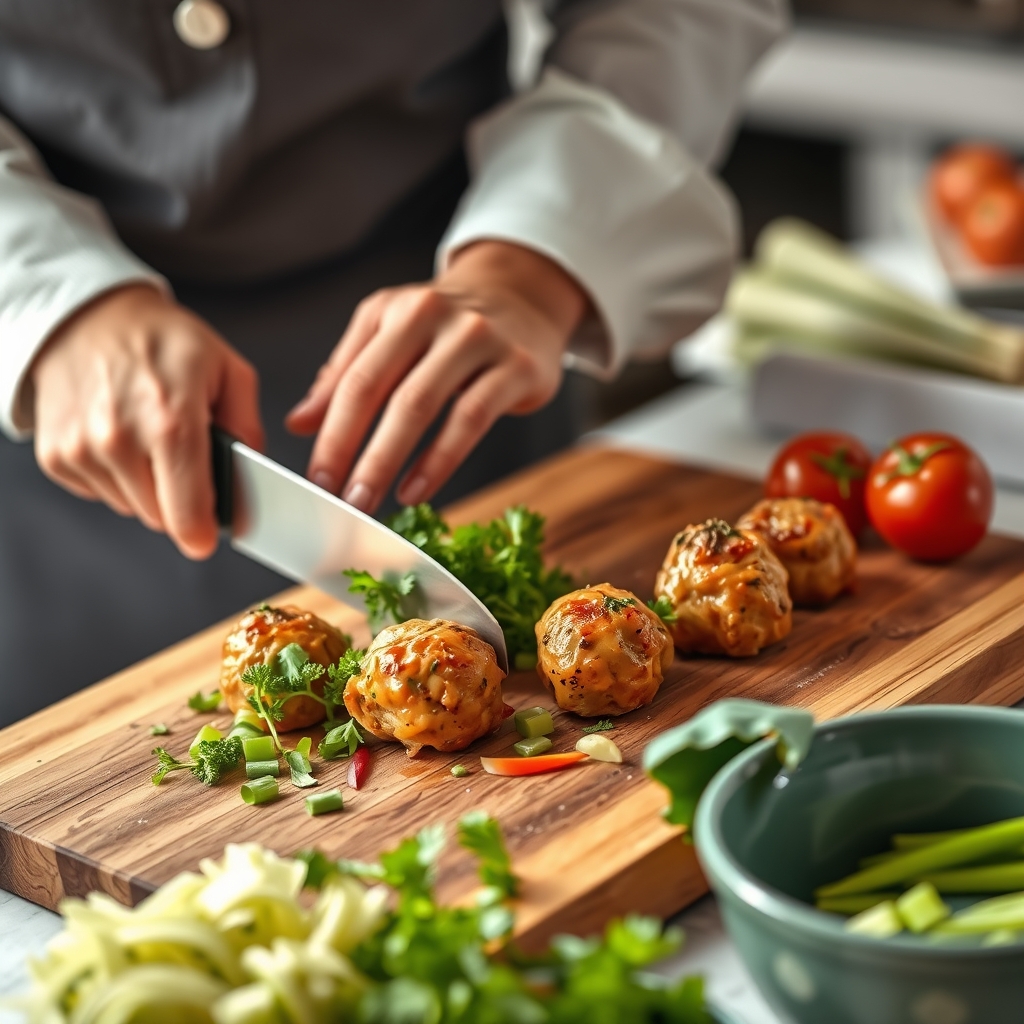
Versatile meal ideas from a single prep session:
- A batch of Italian-seasoned chicken meatballs can become spaghetti and meatballs one night, meatball subs the next, and then be sliced and added to a pasta salad for lunch.
- Asian-style meatballs can be served with rice and vegetables, then transformed into a stir-fry, or even added to a noodle soup.
By investing a little time upfront, meal prepping chicken meatballs dramatically reduces daily cooking stress, ensures access to healthy and delicious chicken meatball dinners, and minimizes food waste. It’s a strategy that truly pays off for busy individuals and families alike.
Tips for Perfecting Your Chicken Meatball Dinners
Even with the best recipes, a few expert tips can elevate your chicken meatball dinners from good to truly exceptional. These insights focus on common pitfalls and subtle techniques that make a significant difference in flavor, texture, and overall enjoyment.
1. Don’t Overwork the Meat: This is perhaps the most critical rule. As mentioned earlier, excessive mixing develops the protein, leading to tough, rubbery meatballs. Mix gently with your hands until just combined, ensuring all ingredients are evenly distributed but not compacted.
2. Test a Small Patty: Before cooking the entire batch, form a small patty (about a tablespoon’s worth) from your mixture and cook it through. Taste it. This allows you to adjust the seasoning (salt, pepper, herbs, spices) before committing to the whole batch, ensuring your delicious chicken meatball dinners are perfectly flavored.
3. Use a Scoop for Uniformity: A cookie scoop or ice cream scoop is your best friend for forming meatballs. It ensures consistent size, which is vital for even cooking. Uniform meatballs cook at the same rate, preventing some from drying out while others are still undercooked.
4. Don’t Overcrowd the Pan (When Pan-Frying): If you’re pan-frying, cook meatballs in batches. Overcrowding the pan lowers the temperature, causing the meatballs to steam rather than brown, leading to a pale, less flavorful exterior. Give them space to develop that beautiful crust.
5. Add Moisture and Fat (Strategically): Ground chicken, especially lean breast meat, can sometimes be dry. Incorporating ingredients like grated onion (which releases moisture), a splash of milk or broth, or even finely grated zucchini can help keep the meatballs juicy. If using very lean chicken, a tablespoon of olive oil or a bit of grated cheese in the mixture can also add moisture and flavor.
6. Experiment with Flavors: Don’t be afraid to step outside your comfort zone. The neutral canvas of chicken meatballs invites experimentation. Try new spice blends, fresh herbs, or international sauces. A pinch of smoked paprika, a dash of fish sauce, or a unique blend of fresh herbs can transform your meatballs.
7. Consider a Panade: For exceptionally tender meatballs, some chefs recommend adding a “panade” – breadcrumbs soaked in milk or water – to the mixture. This adds moisture and helps keep the meatballs tender and light.
8. Internal Temperature is Key: Always use a meat thermometer to ensure your chicken meatballs reach an internal temperature of 165°F (74°C). This guarantees they are safely cooked without being overcooked and dry.
9. Rest the Cooked Meatballs: Just like larger cuts of meat, allowing cooked meatballs to rest for a few minutes before serving can help the juices redistribute, resulting in a more tender and moist texture.
By incorporating these tips into your cooking routine, you’ll be well on your way to consistently crafting truly delicious chicken meatball dinners that are a hit with everyone at the table.
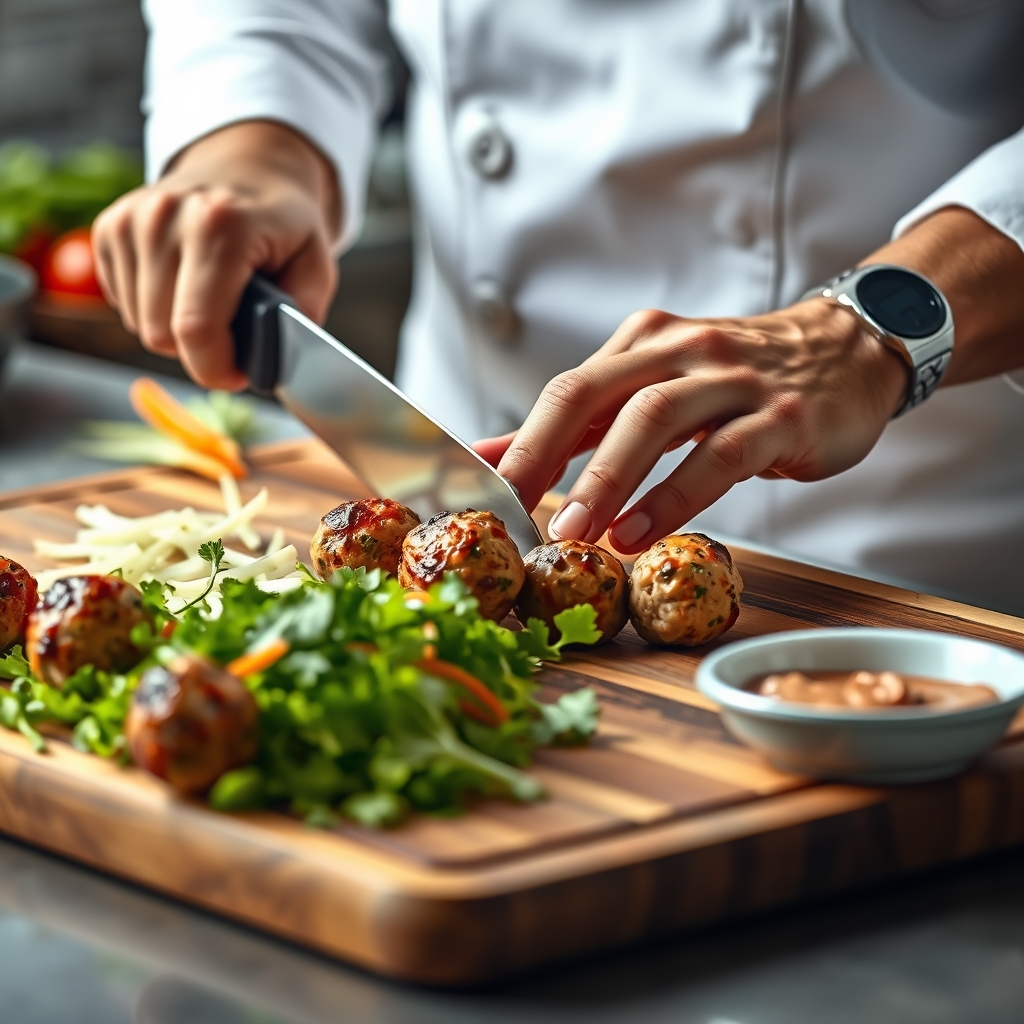
Conclusion
The journey through the world of chicken meatballs reveals them to be far more than just a simple protein. They are a culinary chameleon, capable of transforming into a myriad of delicious chicken meatball dinners that cater to every taste, dietary need, and occasion. From the comforting embrace of Italian classics to the vibrant zest of Asian and Mediterranean dishes, and the wholesome appeal of kid-friendly options, ground chicken proves its unparalleled versatility.
One has learned that the secret to perfect chicken meatballs lies in careful ingredient selection – from the right ground chicken to judicious binders and flavor enhancers – and mastering simple preparation techniques. The importance of gentle mixing, uniform shaping, and appropriate cooking methods cannot be overstated, ensuring every meatball is tender, juicy, and packed with flavor. Furthermore, the strategic pairing of sauces and sides, coupled with smart meal prep strategies, solidifies chicken meatballs as a go-to for efficient, healthy, and satisfying home cooking.
Embracing chicken meatballs in your kitchen means opening the door to endless possibilities for delicious, wholesome, and exciting meals. They offer a lean protein source, an easy cooking solution, and a canvas for global flavors, making them an invaluable asset for busy weeknights and special gatherings alike. So, gather your ingredients, unleash your creativity, and prepare to delight your family and friends with the incredible potential of delicious chicken meatball dinners.
Frequently Asked Questions
Why should I choose chicken meatballs for dinner?
Chicken meatballs are an excellent choice because they are a lean, healthy protein source, lower in saturated fat than beef or pork, and incredibly versatile for various global flavors and meal types, making them ideal for nutritious and exciting dinners.
What are the essential ingredients for perfect chicken meatballs?
Essential ingredients typically include ground chicken, a binder like breadcrumbs or oats, egg, fresh herbs, spices, and aromatics such as onion and garlic. The specific additions can vary based on the desired flavor profile.
How can I make my chicken meatballs moist and flavorful?
To ensure moist and flavorful chicken meatballs, avoid overmixing the meat, incorporate moisture-rich ingredients such as grated onion or ricotta cheese, and use binders like breadcrumbs and egg. Crucially, avoid overcooking them.
What are some popular flavor variations for chicken meatballs?
Popular flavor variations include Italian (with marinara), Asian-fusion (with teriyaki or ginger-soy glaze), Mediterranean (with lemon and oregano), and classic American comfort food styles, offering a world of culinary possibilities.
What are good side dishes and sauces to pair with chicken meatballs?
Excellent pairings include pasta, rice, quinoa, mashed potatoes, roasted vegetables, and a variety of sauces such as classic marinara, sweet and sour, lemon-garlic, creamy mushroom, or a spicy peanut sauce.
Share Your Experience!
There are no reviews yet. Be the first one to write one.