
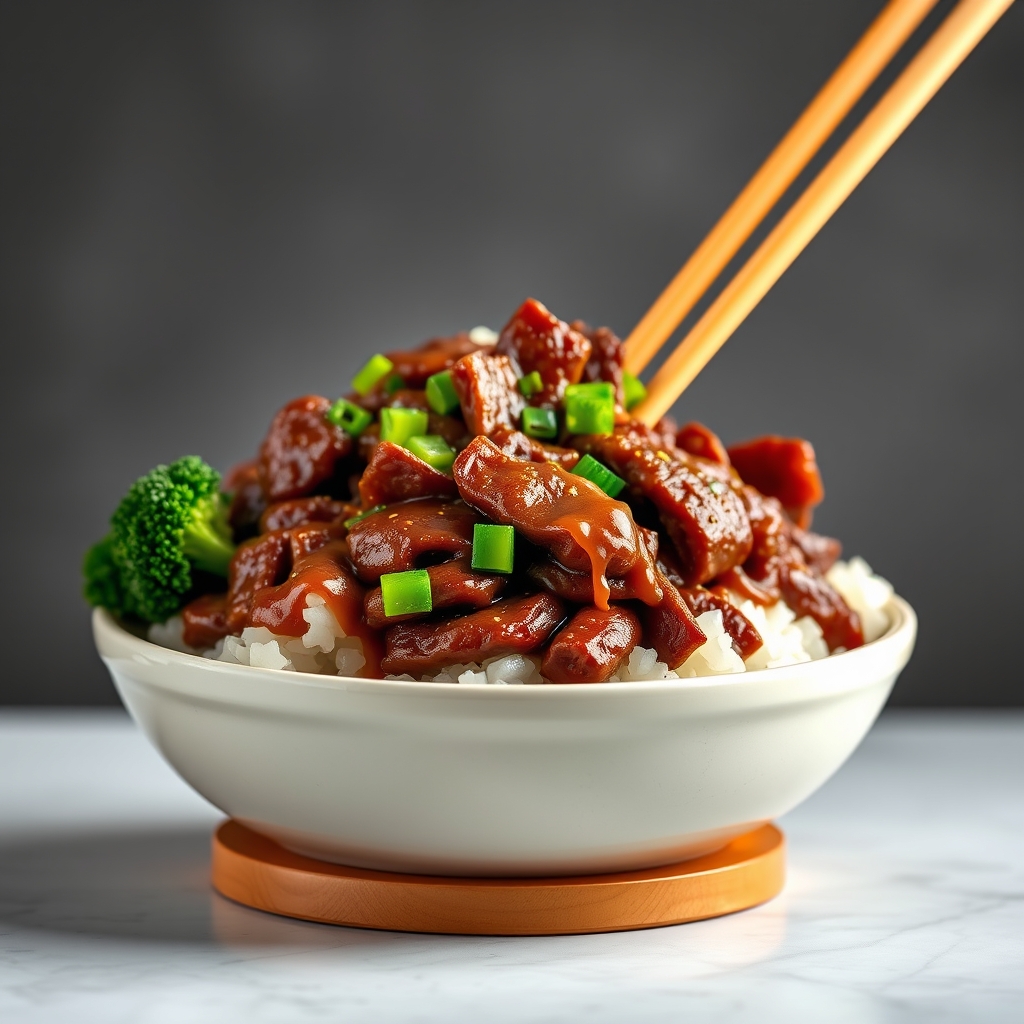
PF Chang’s Mongolian Beef Copycat Recipe: Easy Homemade Guide
Have you ever found yourself craving the irresistible sweet and savory goodness of PF Chang’s Mongolian Beef, wishing you could whip up that restaurant-quality dish in your own kitchen?
The mere mention of PF Chang’s often conjures images of their iconic Mongolian Beef recipe, a dish celebrated for its exquisite balance of sweet, savory, and umami flavors, coupled with tender, thinly sliced beef and a glossy, rich sauce. It is a culinary masterpiece that has captivated palates across the United States, becoming a benchmark for Chinese-American cuisine. The dish’s popularity stems from its comforting familiarity yet sophisticated taste, making it a go-to order for many diners. Its distinctive characteristics – the crisp-tender texture of the beef, the fragrant garlic and ginger, and the irresistible sticky sauce – leave a lasting impression, prompting countless home cooks to seek out a reliable PF Chang’s Mongolian Beef Copycat recipe.
Table of Contents
Recreating this beloved dish at home offers a unique opportunity to delve into the techniques and ingredients that make it so special. While the idea of replicating a restaurant favorite might seem daunting, it is surprisingly achievable with the right guidance and a few key insights into the cooking process. This comprehensive guide aims to demystify the art of preparing a PF Chang’s Mongolian Beef Copycat, providing enthusiasts with all the knowledge needed to bring this culinary delight from their favorite restaurant table straight to their dining room. From selecting the perfect cut of beef to mastering the velveting technique and perfecting the sauce, every step is designed to ensure an authentic and utterly delicious result.
The Allure of PF Chang’s Mongolian Beef
What is it about PF Chang’s Mongolian Beef that makes it such an enduring favorite? For many, it’s the perfect harmony of textures and flavors that sets it apart. The beef, typically flank or skirt steak, is thinly sliced against the grain, creating a tender bite that practically melts in the mouth. This tenderness is often enhanced by a technique known as “velveting,” which involves coating the meat in a mixture that protects it from overcooking and locks in moisture. The exterior of the beef, after a quick fry, often develops a slight crispness, providing a delightful textural contrast to its soft interior.
Beyond the beef itself, the sauce is the true star of the show. It’s a masterful blend of soy sauce, brown sugar, ginger, and garlic, simmered down to a thick, glossy consistency that clings beautifully to every piece of meat. The sweetness from the brown sugar is perfectly balanced by the salty depth of the soy sauce, while the fresh aromatics of ginger and garlic add a pungent warmth that elevates the entire dish. A subtle hint of spice, often from dried chilies, sometimes peeks through, adding another layer of complexity without overpowering the main flavors. This combination results in a dish that is deeply satisfying, incredibly flavorful, and undeniably addictive, making a PF Chang’s Mongolian Beef Copycat a highly sought-after recipe for home chefs aiming to recreate that signature experience.
Deconstructing the Flavor Profile
To truly master a PF Chang’s Mongolian Beef Copycat, one must first understand the intricate flavor profile that defines the original. At its core, the dish delivers a powerful one-two punch of sweet and savory. The sweetness primarily comes from brown sugar, which not only imparts a rich, caramel-like note but also contributes to the sauce’s characteristic glossy finish and sticky texture. This sweetness is expertly counterbalanced by the savory depth of soy sauce, providing that essential umami foundation that is a hallmark of many Asian cuisines. High-quality soy sauce is crucial here, as it lays the groundwork for the sauce’s overall flavor.
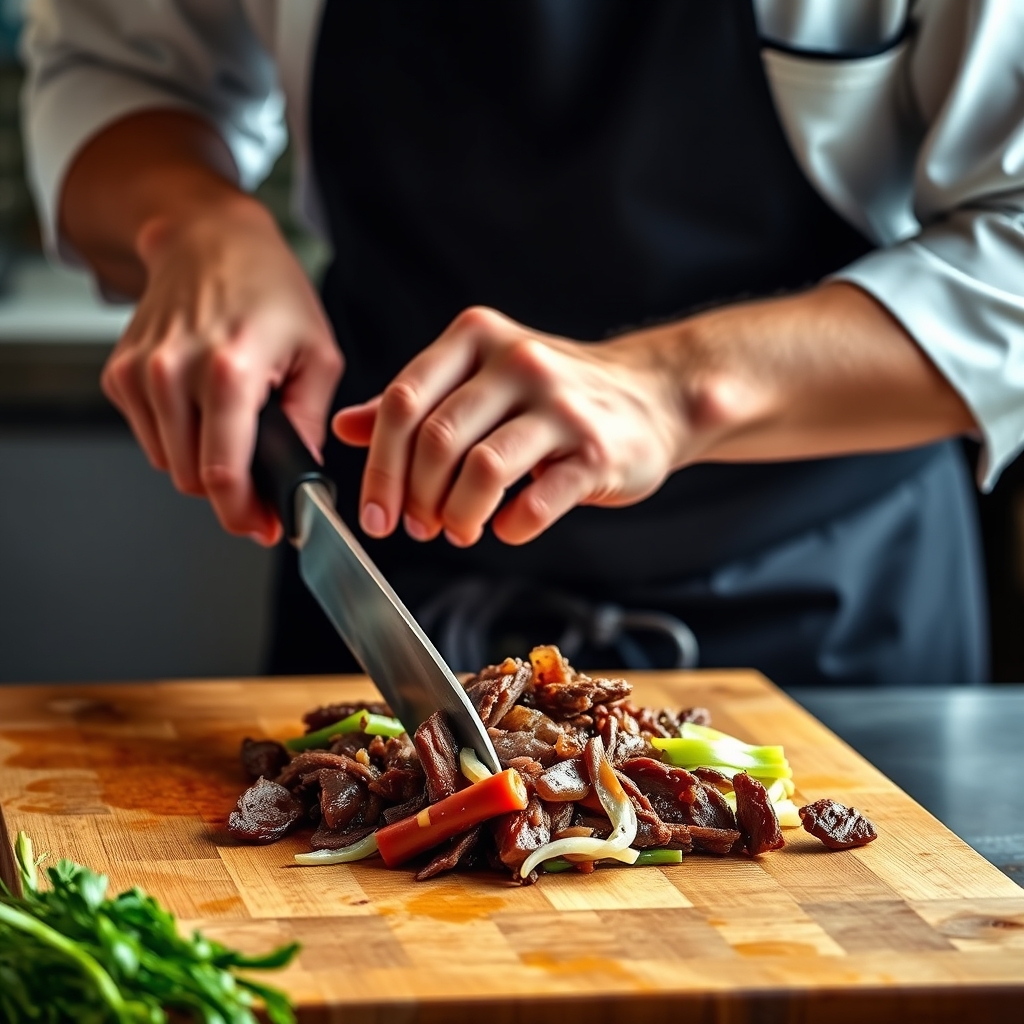
Beyond these dominant notes, fresh aromatics play a pivotal role. Generous amounts of minced ginger and garlic are simmered into the sauce, infusing it with their pungent, warm, and slightly spicy essences. These ingredients are not merely background players; they are central to the dish’s vibrant character, providing a fresh counterpoint to the richness of the beef and the sweetness of the sugar. Some versions, including the PF Chang’s original, also incorporate a touch of heat, often from dried red chilies, which adds a subtle warmth that enhances the other flavors without making the dish overtly spicy. The final component, often overlooked, is the texture. The sauce should be thick enough to coat the beef but still pourable, creating that luxurious mouthfeel that makes each bite so satisfying. Achieving this balance of flavors and textures is the ultimate goal for any aspiring PF Chang’s Mongolian Beef Copycat chef.
Essential Ingredients for Authenticity
Creating an authentic PF Chang’s Mongolian Beef Copycat begins with selecting the right ingredients and understanding their roles. Each component contributes significantly to the final taste and texture, making careful consideration essential.
Choosing the Right Beef Cut
The foundation of any great Mongolian Beef is, naturally, the beef itself. The key is to select a cut that is naturally tender and can be sliced very thinly against the grain.
- Flank Steak: This is arguably the most popular choice for Mongolian Beef. It’s lean, flavorful, and when sliced correctly (against the grain), becomes incredibly tender.
- Skirt Steak: Similar to flank steak, skirt steak is also very flavorful and fibrous. It also benefits from thin slicing against the grain.
- Sirloin Steak: While slightly less traditional, a good quality sirloin can work well, offering a good balance of tenderness and flavor, often at a more accessible price point.
- Velveting: Regardless of the cut, the most crucial technique for achieving that signature tender texture is velveting. This involves coating the beef in a mixture, typically with baking soda, which tenderizes the meat fibers.
The Secret to Tender Beef: Velveting
Velveting is a cornerstone technique in Chinese cooking, responsible for the incredibly tender and silky texture of restaurant-style beef and chicken dishes. For a PF Chang’s Mongolian Beef Copycat, it’s non-negotiable.
The process usually involves:
1. Baking Soda: A small amount of baking soda is mixed with the thinly sliced beef. This alkaline ingredient breaks down the muscle fibers, resulting in a remarkably tender bite.
2. Cornstarch: Cornstarch is added to create a light coating. This coating protects the beef from direct heat during cooking, helping it retain moisture and giving it a slightly crisp exterior.
3. Soy Sauce/Water/Oil: A touch of soy sauce for flavor and water or oil for hydration are often included in the marinade to further enhance tenderness and moisture.
After marinating for about 15-30 minutes, the beef is ready for cooking, ensuring it remains succulent and never tough.
Crafting the Signature Sauce
The sauce is what truly defines the Mongolian Beef experience. It’s a symphony of sweet, savory, and aromatic notes.
- Soy Sauce: Use a good quality regular soy sauce (not low-sodium unless you prefer to adjust saltiness later). This provides the primary savory and umami base.
- Brown Sugar: Dark brown sugar is preferred for its deeper molasses notes and richer color, contributing significantly to the sauce’s sweetness and glossy finish.
- Fresh Ginger and Garlic: These aromatics are non-negotiable. They should be freshly minced to release their full pungent and warm flavors.
- Cornstarch Slurry: A mixture of cornstarch and water is essential for thickening the sauce, giving it that characteristic glossy, clingy consistency.
- Water or Broth: Used to thin the sauce to the desired consistency and allow the flavors to meld. Beef broth can add an extra layer of savory depth.
- Optional: Dried red chilies (like arbol or Sichuan chilies) can be added for a subtle background heat, mimicking the original’s very slight kick.
Frying Essentials and Garnish
The cooking oil and finishing touches are also vital for an authentic PF Chang’s Mongolian Beef Copycat.
- High Smoke Point Oil: A neutral-flavored oil with a high smoke point is crucial for frying the beef. Options include vegetable oil, canola oil, grapeseed oil, or peanut oil. This allows for proper searing without burning the oil.
- Green Onions: Abundant fresh green onions (scallions) are stirred in at the very end and used as a garnish. They add a fresh, pungent bite and vibrant color that beautifully contrasts with the rich sauce. The white and light green parts are typically cooked briefly, while the dark green parts are often reserved for garnish.
Step-by-Step Guide to Your Copycat Creation
Crafting a perfect PF Chang’s Mongolian Beef Copycat involves a methodical approach, ensuring each step contributes to the dish’s signature flavor and texture.
Preparation is Key
Thorough preparation is the secret to a smooth cooking process and a delicious outcome.
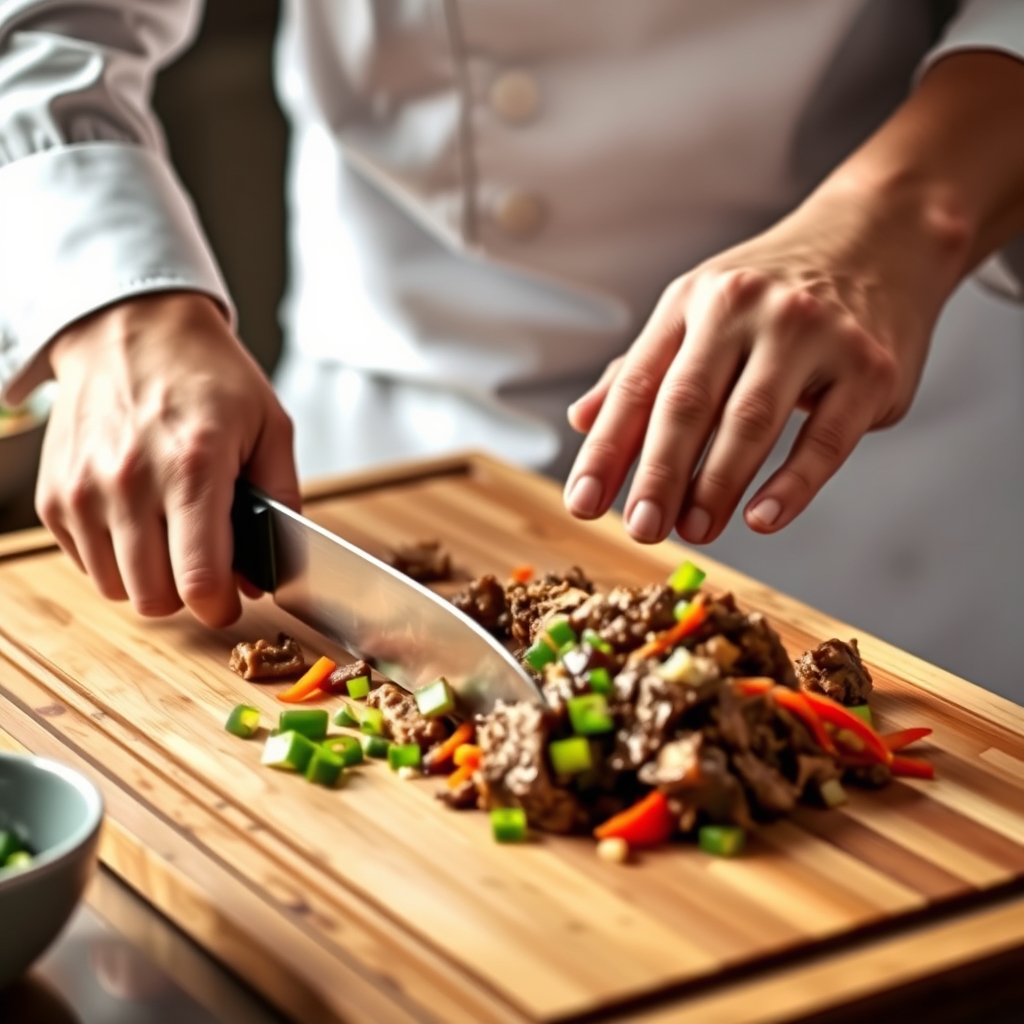
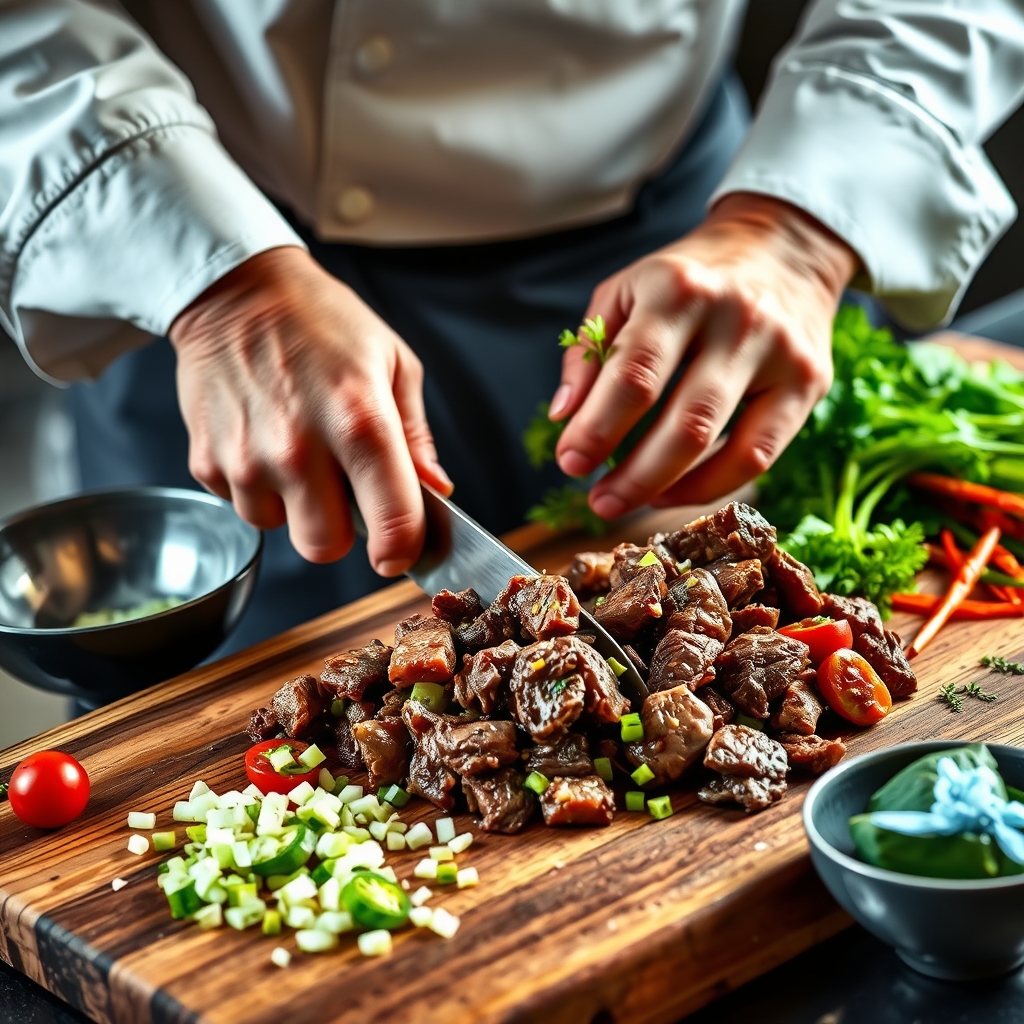
1. Slice the Beef: Begin by thinly slicing the chosen beef (flank, skirt, or sirloin) against the grain. Aim for slices that are about 1/8 to 1/4 inch thick. This is crucial for tenderness. Partially freezing the beef for 30-60 minutes can make slicing easier.
2. Velveting the Beef: In a medium bowl, combine the sliced beef with 1 teaspoon of baking soda, 1 tablespoon of cornstarch, 1 tablespoon of soy sauce, and 2 tablespoons of water or Shaoxing wine. Mix thoroughly until each piece of beef is coated. Let it marinate at room temperature for at least 15 minutes, or up to 30 minutes. This step is non-negotiable for achieving restaurant-tender beef.
3. Prepare the Sauce: In a separate bowl, whisk together 1/2 cup regular soy sauce, 1/2 cup dark brown sugar (packed), 1/4 cup water or beef broth, 1 tablespoon of cornstarch, and optionally, a pinch of red pepper flakes for a subtle heat. Set aside.
4. Mince Aromatics and Chop Garnish: Finely mince 2-3 cloves of garlic and a 1-inch piece of fresh ginger. Slice 4-5 green onions, separating the white and light green parts from the darker green tops. The white and light green parts will be cooked, while the darker green tops are reserved for garnish.
Cooking the Beef to Perfection
Achieving the right texture for the beef is paramount for an authentic PF Chang’s Mongolian Beef Copycat.
1. Heat the Oil: Heat 1/4 cup of high-smoke-point oil (like vegetable or canola) in a large wok or a heavy-bottomed skillet over medium-high heat until shimmering. The oil should be hot enough to sear the beef quickly.
2. Cook the Beef in Batches: Add about one-third of the marinated beef to the hot oil in a single layer. Do not overcrowd the pan, as this will lower the oil’s temperature and cause the beef to steam rather than sear, resulting in a less crispy texture. Cook for 1-2 minutes per side, or until beautifully browned and cooked through. The beef cooks very quickly due to its thinness.
3. Remove Cooked Beef: Using a slotted spoon or tongs, transfer the cooked beef to a plate lined with paper towels to drain any excess oil. Repeat with the remaining beef in two more batches, adding a little more oil if necessary between batches. Set all the cooked beef aside.
Simple Chinese Black Pepper Beef Stir Fry Recipe :https://www.urlw.com/mxtazY
Bringing It All Together: The Sauce
The final stage is where all the flavors unite to create the iconic Mongolian Beef sauce.
1. Sauté Aromatics: Carefully drain most of the oil from the wok, leaving about 1 tablespoon. Return the wok to medium heat. Add the minced garlic and ginger, along with the white and light green parts of the green onions, to the hot oil. Sauté for about 30-60 seconds, stirring constantly, until fragrant. Be careful not to burn the garlic. If using dried red chilies, add them now and sauté briefly.
2. Add the Sauce: Give the prepared sauce mixture (soy sauce, brown sugar, cornstarch, water) a quick whisk again, as the cornstarch tends to settle at the bottom. Pour the sauce into the wok with the aromatics.
3. Thicken the Sauce: Bring the sauce to a gentle simmer, stirring continuously. As it heats, the cornstarch will activate, and the sauce will begin to thicken and become glossy. This usually takes 1-2 minutes. Continue to stir until it reaches your desired consistency – it should be thick enough to coat a spoon but still pourable.
4. Combine Beef and Sauce: Once the sauce has thickened, return all the cooked beef to the wok. Toss the beef gently with the sauce until every piece is thoroughly coated and glistening.
5. Final Garnish: Remove the wok from the heat. Stir in the dark green tops of the reserved green onions.
Serve your homemade PF Chang’s Mongolian Beef Copycat immediately over steamed white rice or noodles, and prepare to be amazed by the restaurant-quality flavors you’ve achieved at home.
Tips for Mongolian Beef Perfection
Achieving a truly outstanding PF Chang’s Mongolian Beef Copycat goes beyond simply following a recipe. A few expert tips can elevate your dish from good to absolutely phenomenal.

Mastering the Slicing Technique
The way the beef is sliced fundamentally impacts its tenderness and texture.
- Against the Grain: Always slice the beef against the grain. This means cutting perpendicular to the visible lines of muscle fibers. Doing so shortens the fibers, making the meat much more tender and easier to chew. If you slice with the grain, the beef will be tough and chewy, regardless of other tenderizing efforts.
- Thinness is Key: Aim for slices that are approximately 1/8 to 1/4 inch thick. Thinner slices cook faster, absorb more sauce, and contribute to that melt-in-your-mouth texture.
- Partial Freezing: For easier and more precise slicing, place the beef in the freezer for about 30-60 minutes until it is firm but not completely frozen. This allows for cleaner, more uniform cuts.
The Art of Velveting
Velveting is the secret weapon for tender beef in Chinese cuisine.
- Don’t Skip It: This step is crucial for recreating the restaurant-style tenderness of a PF Chang’s Mongolian Beef Copycat. The baking soda subtly alters the meat’s pH, while the cornstarch creates a protective barrier.
- Proper Coating: Ensure every piece of beef is thoroughly coated in the velveting mixture. This ensures even tenderization and protection during cooking.
- Rinsing (Optional but Recommended): Some chefs prefer to lightly rinse the velveted beef under cold water after marinating, then pat it dry. This helps remove any residual baking soda flavor, though the small amount used typically doesn’t leave a noticeable taste. If rinsing, ensure the beef is very dry before frying to prevent oil splatters and promote browning.
Heat Management During Frying
Proper heat management is essential for crispy, perfectly cooked beef.
- Hot Oil, Not Smoking: The oil needs to be hot enough to sear the beef quickly, creating a slight crust, but not so hot that it burns the oil or the beef. Medium-high to high heat is usually appropriate.
- Don’t Overcrowd: This is perhaps the most important frying tip. Frying the beef in small batches prevents the oil temperature from dropping too much. If the pan is overcrowded, the beef will steam rather than fry, resulting in a gray, tough, and unappetizing texture. Patience here pays off immensely.
- Quick Cooking: Thinly sliced beef cooks very rapidly. Cook each batch for only 1-2 minutes, just until it’s browned and cooked through. Overcooking will negate the tenderizing effects of velveting.
Balancing Sweet and Savory
The hallmark of Mongolian Beef is its perfectly balanced sauce.
- Taste and Adjust: Always taste your sauce before combining it with the beef. If it’s too sweet, a splash more soy sauce or a tiny bit of vinegar can balance it. If too salty, a little more brown sugar or water can help.
- Fresh Aromatics: Don’t skimp on fresh ginger and garlic. Their pungent notes are critical for cutting through the richness and sweetness of the sauce. Use freshly minced, not powdered, for the best flavor.
- Cornstarch Slurry: Ensure your cornstarch slurry is well-mixed before adding it to the sauce, and stir the sauce constantly as it thickens to prevent lumps. The goal is a glossy, thick sauce that coats the beef beautifully, not a gluey one.
By incorporating these tips, you’ll be well on your way to mastering your PF Chang’s Mongolian Beef Copycat and impressing everyone with your culinary prowess. For more information on the science of tenderizing meat, consider exploring resources like Serious Eats’ guide to velveting. [External Link 1: Serious Eats – The Science of Velveting Meat (Example Link)]
Variations and Customizations
While the classic PF Chang’s Mongolian Beef Copycat is a masterpiece on its own, one of the joys of home cooking is the ability to customize a dish to suit personal preferences or dietary needs.
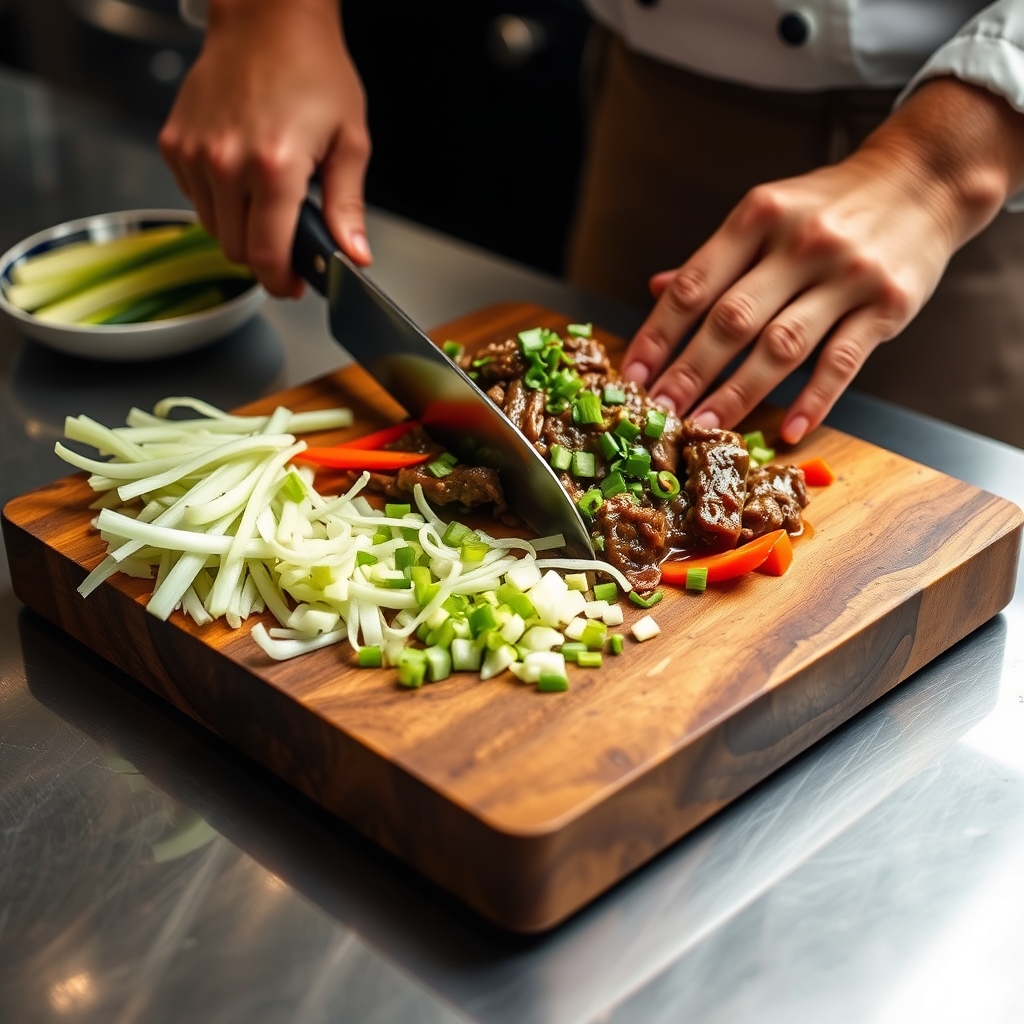
Adjusting the Heat
The original PF Chang’s Mongolian Beef typically has a very mild, almost imperceptible heat. However, if you prefer a spicier kick:
- Red Pepper Flakes: Add more red pepper flakes to the sauce along with the ginger and garlic. Start with a pinch and gradually increase to your desired level of heat.
- Fresh Chili: For a bolder, fresher heat, finely mince a small amount of fresh bird’s eye chili or serrano pepper and sauté it with the aromatics.
- Sichuan Peppercorns: For a more authentic Chinese flavor profile with a numbing sensation, a few crushed Sichuan peppercorns can be added to the oil before frying the beef, then strained out.
Adding Vegetables
While traditionally just beef and green onions, adding other vegetables can boost nutrition and add color and texture.
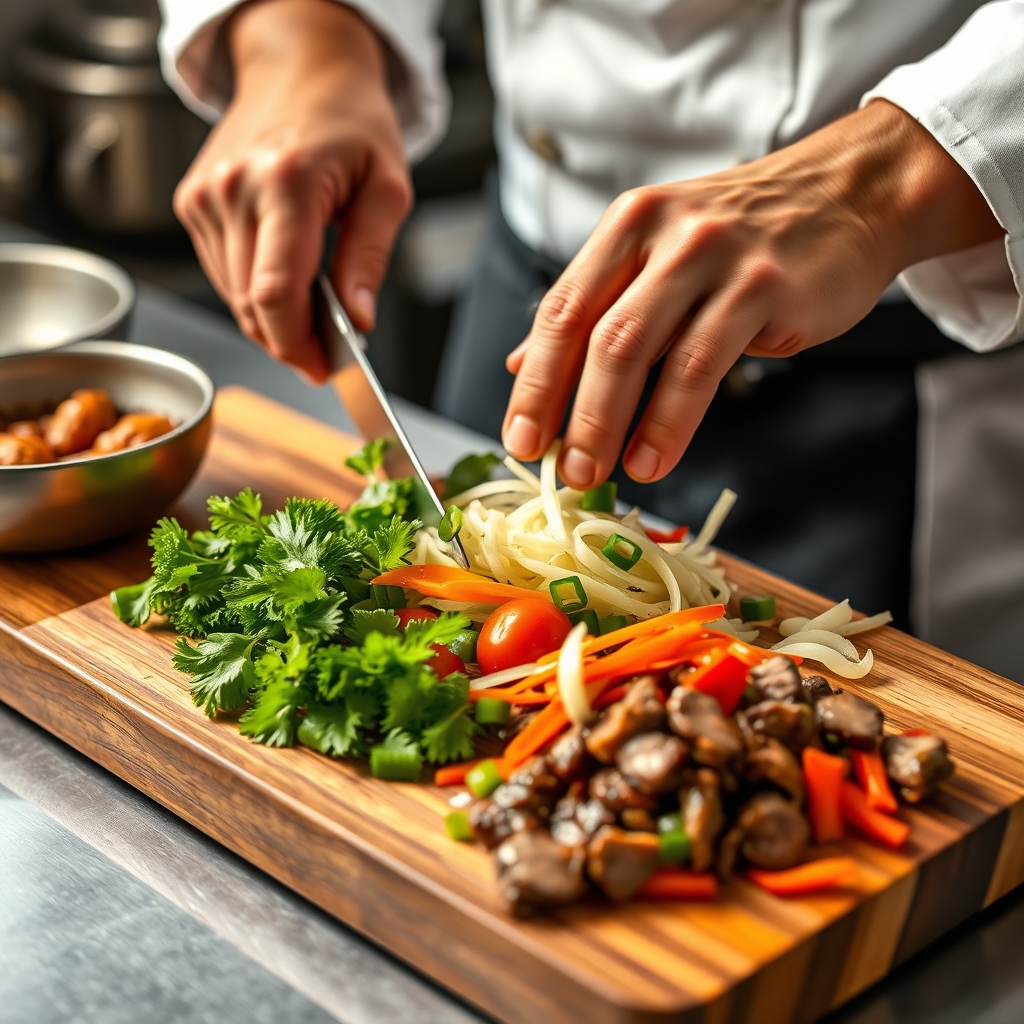
- Bell Peppers: Sliced red, yellow, or orange bell peppers can be stir-fried after the beef is cooked and before the sauce is added. They add sweetness and a slight crunch.
- Snap Peas or Broccoli: These can be blanched or lightly steamed separately and then tossed in with the beef and sauce at the end, or quickly stir-fried in the wok after the beef.
- Carrots: Thinly sliced carrots or julienned carrots can add a touch of sweetness and vibrant color.
- Mushrooms: Sliced shiitake or cremini mushrooms can add an earthy umami depth to the dish.
Gluten-Free and Low-Sugar Options
For those with dietary restrictions, it’s easy to adapt the PF Chang’s Mongolian Beef Copycat.
- Gluten-Free: The primary source of gluten in this recipe is soy sauce. Simply substitute regular soy sauce with a high-quality gluten-free tamari. Ensure all other ingredients, like broth, are also certified gluten-free.
- Low-Sugar: The original dish is quite sweet. To reduce sugar content:
* Reduce Brown Sugar: Start by reducing the amount of brown sugar by half and taste the sauce. You can always add more if needed.
* Sugar Substitutes: For those who need to severely limit sugar, alternatives like erythritol or stevia-based brown sugar substitutes can be used, though the flavor and caramelization properties might differ slightly. Consider adding a tiny pinch of molasses for color and depth if using a substitute.
* Natural Sweeteners: A small amount of honey or maple syrup could be used, but they will alter the flavor profile slightly.
These variations allow you to personalize your homemade Mongolian Beef, making it a versatile dish that can cater to various tastes and dietary needs while still retaining the essence of the beloved original.
Serving Suggestions
A perfectly executed PF Chang’s Mongolian Beef Copycat deserves to be served with accompaniments that complement its rich flavors and textures. The traditional pairing is simple, yet incredibly effective.
- Steamed White Rice: This is the quintessential accompaniment. The fluffy, neutral flavor of jasmine or basmati rice provides the perfect canvas for the savory, sweet, and sticky sauce, soaking up every drop and balancing the intensity of the beef.
- Brown Rice: For a healthier, nuttier alternative, brown rice offers a pleasant chewiness and a slightly different flavor profile that still pairs wonderfully with the Mongolian Beef.
- Noodles: Soft lo mien noodles or thin rice vermicelli can also be an excellent choice. Toss the noodles directly into the wok with the beef and sauce for a one-pan meal, allowing them to absorb all the delicious flavors.
- Fried Rice: If you’re looking for a more indulgent meal, a side of vegetable fried rice or egg fried rice can elevate the dining experience. The additional textures and flavors of the fried rice create a more complex and satisfying plate.
- Steamed Vegetables: To add freshness and a nutritional boost, serve alongside lightly steamed broccoli, asparagus, or green beans. Their crisp texture and mild flavor provide a refreshing contrast to the rich beef.
- Spring Rolls or Egg Rolls: For a complete restaurant-style feast, consider serving homemade or store-bought spring rolls or egg rolls as an appetizer.
- Asian Cucumber Salad: A light, tangy, and refreshing cucumber salad can be a wonderful palate cleanser, cutting through the richness of the Mongolian Beef.
Whether kept simple with plain rice or expanded into a full banquet, the key is to choose accompaniments that allow the star of the show – your delicious PF Chang’s Mongolian Beef Copycat – to truly shine.
Nutritional Considerations
While a PF Chang’s Mongolian Beef Copycat is undeniably delicious and satisfying, it’s helpful to consider its nutritional aspects, especially for those mindful of their diet. Restaurant versions of dishes like Mongolian Beef are often high in calories, sodium, and sugar due to generous portions, rich sauces, and deep-frying techniques.
- Calories and Fat: The beef, especially if deep-fried, contributes significant calories and fat. The oil used for frying also adds to the caloric content.
- Sodium: Soy sauce is a primary ingredient and is naturally high in sodium. This contributes to the savory depth but also means the dish can be high in salt.
- Sugar: Brown sugar is a key component of the sauce, providing its characteristic sweetness and gloss. This means the dish can contain a substantial amount of added sugars.
- Protein: The beef itself is an excellent source of protein, which is essential for muscle repair and satiety.
- Micronutrients: While not a significant source, the dish does offer some iron from the beef and trace amounts of vitamins and minerals from the ginger, garlic, and green onions.
Tips for a Healthier Version:
- Reduce Oil: Instead of deep-frying, opt for stir-frying the beef with less oil. Ensure the pan is hot and cook in batches to still achieve a good sear.
- Leaner Beef Cuts: While flank steak is traditional, very lean sirloin or even tenderloin could be used, though they might require careful slicing and velvetizing to maintain tenderness.
- Low-Sodium Soy Sauce: Use low-sodium soy sauce to significantly reduce the sodium content. You can always add a pinch of salt later if needed.
- Reduce Sugar: As mentioned in the variations section, reducing the amount of brown sugar or using sugar substitutes can drastically cut down on added sugars.
- Add More Vegetables: Incorporating more vegetables like broccoli, bell peppers, or snow peas can boost fiber, vitamins, and minerals, making the meal more balanced and filling without adding excessive calories.
- Portion Control: Be mindful of serving sizes, especially with the rice or noodles.
By making a PF Chang’s Mongolian Beef Copycat at home, you gain complete control over the ingredients and cooking methods, allowing you to tailor the dish to your dietary preferences and make it a more conscious choice without sacrificing flavor. For more general information on nutrition and healthy eating, resources like the USDA’s MyPlate website offer valuable guidance. [External Link 2: USDA MyPlate (Example Link)]
Troubleshooting Common Issues
Even experienced cooks can encounter hiccups when recreating a complex dish like PF Chang’s Mongolian Beef Copycat. Here are some common problems and how to solve them.
Tough Beef
This is one of the most frustrating issues, as tender beef is the hallmark of Mongolian Beef.
- Cause: Slicing with the grain, not velveting, overcooking, or overcrowding the pan during frying.
- Solution:
* Always slice against the grain. This is non-negotiable for tender beef.
* Do not skip the velveting step. The baking soda and cornstarch are crucial for breaking down fibers and protecting the meat.
* Cook in batches. Overcrowding lowers the oil temperature, causing the beef to steam and become tough. Fry quickly until just browned.
* Don’t overcook. Thinly sliced beef cooks very fast, usually 1-2 minutes per side.
Sauce Consistency
A perfect Mongolian Beef sauce should be glossy and thick enough to coat the beef, not watery or overly gluey.
- Cause (Too Thin): Not enough cornstarch, not simmering long enough, or too much liquid.
- Solution (Too Thin):
- Ensure the cornstarch slurry is well mixed and added to the simmering sauce.
- Allow the sauce to simmer for another minute or two, stirring constantly, to allow the cornstarch to activate and thicken.
- If still too thin, mix an additional 1 teaspoon of cornstarch with 1 tablespoon of cold water to form a slurry, then slowly whisk it into the simmering sauce until desired thickness is reached.
- Cause (Too Thick/Gloopy): Too much cornstarch, over-simmering, or not enough liquid.
- Solution (Too Thick): Whisk in 1-2 tablespoons of water or beef broth, one tablespoon at a time, until the sauce reaches the desired consistency.
Flavor Imbalance
The sauce should be a harmonious blend of sweet, savory, and aromatic.
- Cause (Too Sweet): Too much brown sugar.
- Solution (Too Sweet): Add a splash more soy sauce, a tiny bit of rice vinegar (for acidity), or a pinch of salt to balance the sweetness.
- Cause (Too Salty): Too much soy sauce.
- Solution (Too Salty): Add a little more brown sugar, a splash of water, or a squeeze of fresh orange juice to mellow the saltiness.
- Cause (Lacking Depth): Not enough fresh ginger or garlic, or using powdered versions.
- Solution (Lacking Depth): Ensure you use freshly minced aromatics. If the dish tastes flat, a tiny dash of sesame oil can sometimes add a nutty depth, but use sparingly as it’s potent. A touch of fish sauce can also boost umami without making it taste “fishy.”
By understanding these common issues and their solutions, one can confidently tackle any challenges that arise, ensuring a consistently delicious PF Chang’s Mongolian Beef Copycat every time. For further cooking troubleshooting tips, culinary sites like Food Network often have helpful articles. [External Link 3: Food Network – Common Cooking Mistakes and How to Fix Them (Example Link)]
Why Make It at Home?
The decision to embark on creating a PF Chang’s Mongolian Beef Copycat at home is driven by several compelling advantages that extend beyond mere culinary curiosity.
Firstly, cost-effectiveness is a significant factor. Dining out at restaurants like PF Chang’s, especially for a family or group, can quickly accumulate into a substantial bill. By purchasing ingredients and preparing the dish yourself, one can enjoy multiple servings of this beloved meal for a fraction of the restaurant price. This makes it an excellent option for entertaining or for simply enjoying a gourmet meal without breaking the bank.
Secondly, control over ingredients offers immense peace of mind and allows for personalization. When making a PF Chang’s Mongolian Beef Copycat, you have the power to select high-quality cuts of beef, choose organic or locally sourced produce, and avoid any additives or preservatives that might be present in restaurant preparations. This is particularly beneficial for individuals with dietary restrictions, allergies, or those who simply prefer to know exactly what goes into their food. As explored in the variations section, one can easily adjust sugar and sodium levels, or opt for gluten-free alternatives, tailoring the dish perfectly to specific health needs or preferences.
Finally, the freshness and satisfaction of homemade cuisine are unparalleled. There’s an inherent joy and pride in serving a dish you’ve crafted from scratch, especially one that replicates a restaurant favorite so faithfully. The aromas filling your kitchen, the sizzle of the beef, and the vibrant colors of fresh ingredients contribute to a sensory experience that enhances the enjoyment of the meal. Moreover, homemade dishes often taste fresher due to the immediate use of ingredients and the absence of holding times common in commercial kitchens. This translates to a more vibrant and authentic flavor profile that often surpasses takeout.
Making your own PF Chang’s Mongolian Beef Copycat is not just about recreating a recipe; it’s about embracing a culinary adventure that offers economic benefits, dietary control, and the profound satisfaction of creating something truly delicious with your own hands.
Conclusion
The journey to mastering a PF Chang’s Mongolian Beef Copycat is a rewarding culinary adventure that culminates in a dish that rivals its restaurant counterpart in flavor, texture, and sheer deliciousness. From the careful selection of a quality beef cut and the transformative technique of velvetizing, to the precise balance of sweet and savory in its signature
Frequently Asked Questions
What is PF Chang’s Mongolian Beef?
PF Chang’s Mongolian Beef is a popular Chinese-American dish known for its tender, thinly sliced beef coated in a sweet, savory, and glossy sauce, often featuring garlic and ginger. It’s a signature item celebrated for its balanced flavors and satisfying texture.
What cut of beef is best for Mongolian Beef?
For a PF Chang’s Mongolian Beef copycat, flank steak or skirt steak are highly recommended. These cuts are ideal when thinly sliced against the grain, providing the desired tenderness and texture once cooked.
What is ‘velveting’ beef in cooking?
Velveting is a Chinese cooking technique where meat is coated in a mixture (often cornstarch, egg white, and sometimes soy sauce or oil) before cooking. This process protects the meat from overcooking, locks in moisture, and results in a remarkably tender, ‘velvety’ texture.
What are the key ingredients in the PF Chang’s Mongolian Beef sauce?
The iconic sauce typically features a blend of soy sauce, brown sugar, fresh ginger, and garlic. These ingredients combine to create the dish’s signature sweet, savory, and umami profile, often with a subtle hint of spice.
Can I make PF Chang’s Mongolian Beef at home?
Absolutely! Recreating PF Chang’s Mongolian Beef at home is surprisingly achievable with the right guidance. Focusing on proper beef preparation, including velveting, and mastering the sauce components will help you achieve a restaurant-quality dish in your own kitchen.
Share Your Experience!
There are no reviews yet. Be the first one to write one.
One Comment
Comments are closed.