
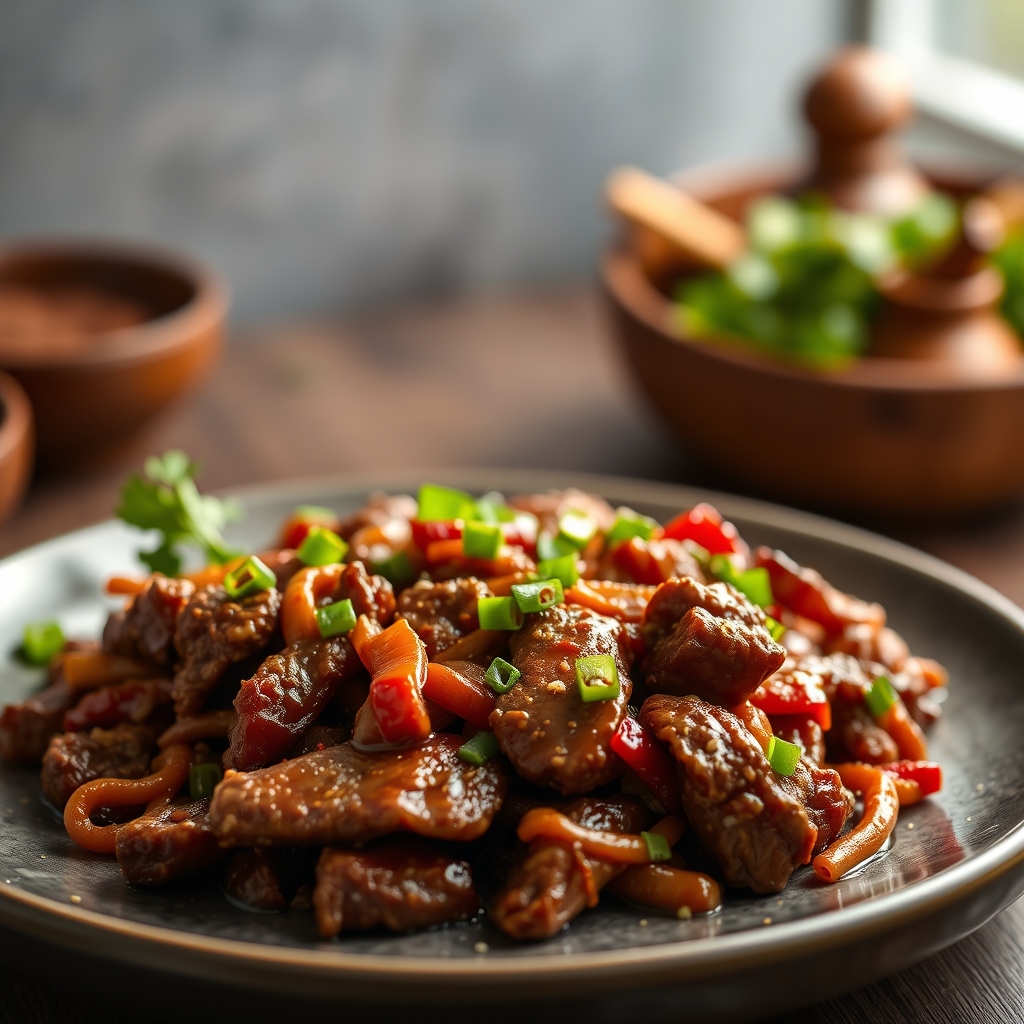
Best Homemade Mongolian Beef
Are you tired of ordering takeout and dreaming of restaurant-quality Mongolian Beef made right in your own kitchen?
Mongolian Beef holds a special place in the hearts of many American diners, a beloved staple found on the menus of countless Chinese restaurants and Asian bistros across the United States. Its irresistible combination of tender, thinly sliced beef coated in a glossy, sweet, and savory sauce, often with a hint of spice, makes it a perennial favorite. While the allure of ordering this dish for quick delivery is strong, there’s an unparalleled satisfaction that comes from mastering the Best Homemade Mongolian Beef right in one’s own kitchen.
Table of Contents
This comprehensive guide aims to demystify the process, revealing the secrets to achieving that perfect balance of flavors and textures that rivals any restaurant rendition. Crafting the Best Homemade Mongolian Beef offers numerous advantages: it allows for complete control over ingredients, caters to specific dietary needs or preferences, and often proves to be a more cost-effective option than regular takeout. Moreover, the aroma that fills the home during its preparation is an experience in itself, promising a delicious meal to come.
Embarking on the journey to create the Best Homemade Mongolian Beef is not just about following a recipe; it’s about understanding the synergy of ingredients and techniques that transform simple components into a culinary masterpiece. From selecting the right cut of beef to perfecting the stir-fry method and balancing the iconic sauce, every step contributes to the ultimate enjoyment of this classic dish. This article will provide all the necessary insights, empowering any home cook to confidently prepare a truly exceptional version of this popular Asian beef dish.
What Exactly is Mongolian Beef?
Despite its name, Mongolian Beef does not originate from Mongolia. Instead, it is a dish that emerged from Chinese restaurants in Taiwan and eventually found its way into American-Chinese cuisine, where it became widely popular. The “Mongolian” descriptor likely served as a marketing term, evoking images of hearty, rustic cooking, even though the ingredients and preparation methods are distinctly Chinese stir-fry techniques.
At its core, Mongolian Beef is a stir-fried dish featuring very thinly sliced beef, typically flank steak, sirloin, or skirt steak, that is quickly cooked in a wok or large skillet. The defining characteristic is its rich, dark, and often sticky sauce, which strikes a delectable balance between sweet and savory. Key components of the sauce usually include soy sauce, brown sugar, fresh ginger, and garlic, sometimes with the addition of hoisin sauce or a touch of rice vinegar to brighten the flavors. Unlike some other Chinese beef dishes that might feature a more complex array of vegetables, traditional Mongolian Beef often keeps the vegetable component minimal, focusing primarily on fresh green scallions, which add a crucial aromatic and textural contrast. The beef itself is usually “velveted” before cooking, a technique that tenderizes it and gives it a silky texture, distinguishing it from simply pan-fried beef.
The Anatomy of the Best Homemade Mongolian Beef
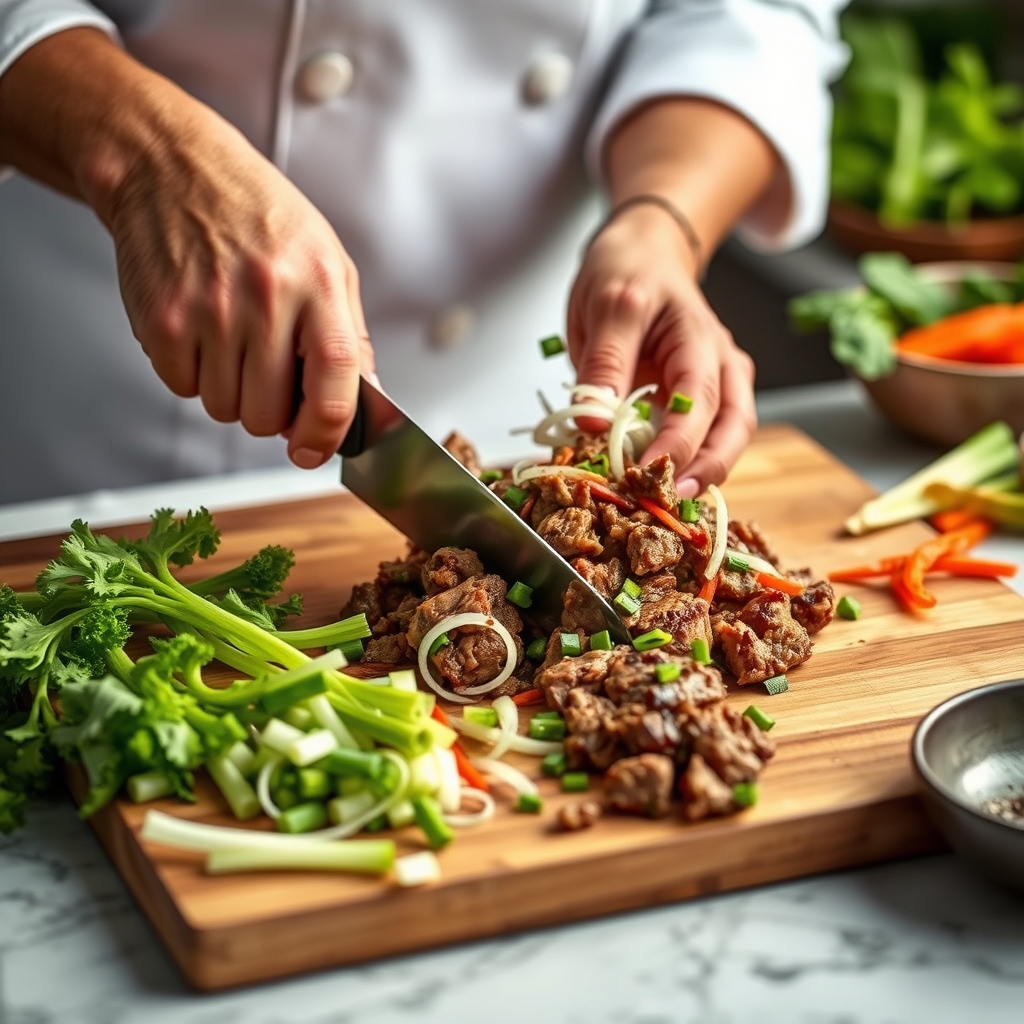
Achieving the Best Homemade Mongolian Beef requires attention to several key components, each playing a crucial role in the dish’s overall success. Understanding these elements is the first step toward replicating that beloved restaurant-quality taste and texture at home.
The Beef: Cut, Slicing, and Velveting
The choice and preparation of beef are paramount. The goal is incredibly tender, melt-in-your-mouth pieces that absorb the sauce beautifully.
- Best Cuts: Flank steak is the most traditional and popular choice due to its lean texture and ability to absorb marinades well. Other excellent options include sirloin steak, skirt steak, or even ribeye for a richer flavor. The key is a cut that can be sliced thinly and against the grain.
- Thin Slicing: This is non-negotiable. The beef must be sliced against the grain to break up tough muscle fibers, ensuring tenderness. Aim for slices that are about 1/8 to 1/4 inch thick. Partially freezing the beef for 20-30 minutes before slicing can make this task much easier and result in more uniform pieces.
- Velveting Technique: This Chinese cooking method is a game-changer for stir-fries. It involves marinating the sliced beef in a mixture of cornstarch, soy sauce, a touch of baking soda (for extra tenderization), and sometimes an egg white or oil. The cornstarch creates a protective barrier that seals in moisture, while the baking soda further breaks down muscle fibers. The beef is then quickly blanched in hot oil or water, or stir-fried very briefly, resulting in an incredibly silky, tender texture that resists overcooking. This step is a secret weapon for the Best Homemade Mongolian Beef. For a deeper dive into this technique, one might consult resources on Chinese cooking methods, such as those found on reputable culinary websites like Serious Eats, which often detail the science behind velveting.
The Sauce: Sweet, Savory, and Umami Balance
The sauce is the heart and soul of Mongolian Beef, delivering its signature sweet, savory, and umami punch.
- Key Components: A classic Mongolian Beef sauce typically combines dark soy sauce (for color and depth), light soy sauce (for salinity), brown sugar (for sweetness and caramelization), fresh ginger, and garlic. Some variations might include a dash of hoisin sauce for added richness and thickness, a splash of rice vinegar for a subtle tang, or a touch of oyster sauce for extra umami.
- Balance: The art lies in balancing the sweetness of the brown sugar with the saltiness of the soy sauce and the pungency of the aromatics. It should be rich and flavorful without being cloyingly sweet or overly salty.
- Thickening: A cornstarch slurry (cornstarch mixed with a small amount of water) is essential for thickening the sauce to that characteristic glossy, clingy consistency that coats every piece of beef beautifully.
The Aromatics & Vegetables: Flavor and Freshness
While the beef and sauce are the stars, the aromatics and a minimal vegetable component provide crucial depth and freshness.
- Scallions: Fresh green scallions are non-negotiable. They are typically added at the very end of cooking, providing a vibrant green color, a mild oniony bite, and a burst of freshness that cuts through the richness of the beef and sauce.
- Optional Additions: Some recipes and restaurants might include dried red chilies for a subtle heat, or a small amount of bell peppers or broccoli for added color and texture. However, for a truly traditional and focused Mongolian Beef, simplicity with scallions is often preferred.
Essential Ingredients for Authentic Flavor
Creating the Best Homemade Mongolian Beef hinges on selecting the right ingredients and understanding their roles. Here’s a detailed look at what you’ll need:
- Beef: As mentioned, flank steak is ideal. Sirloin or skirt steak are excellent alternatives. Look for well-marbled cuts for maximum flavor and tenderness.
- Soy Sauce:
* Light/Regular Soy Sauce: Provides the primary salty and umami base. Opt for a good quality brand. Low-sodium options are available for those monitoring salt intake.
* Dark Soy Sauce (Optional but Recommended): Adds a deeper, richer color to the sauce and a slightly less salty, more complex flavor. Use sparingly as its primary role is aesthetic.
- Brown Sugar: Light or dark brown sugar works well, contributing the essential sweetness and helping the sauce caramelize. Dark brown sugar will lend a slightly deeper molasses flavor.
- Fresh Ginger: Absolutely crucial. Use fresh ginger, peeled and finely minced or grated. It provides a warm, pungent, and aromatic backbone to the sauce.
- Fresh Garlic: Another non-negotiable aromatic. Finely mince several cloves for a robust flavor.
- Cornstarch: Used for velveting the beef and for thickening the sauce, giving it that desirable glossy, clingy texture.
- Neutral Oil: Such as vegetable oil, canola oil, or grapeseed oil, for stir-frying. These oils have a high smoke point, which is necessary for high-heat cooking.
- Sesame Oil (Toasted): A small dash added at the very end provides a distinctive nutty aroma and flavor, enhancing the overall Asian profile.
- Scallions (Green Onions): Essential for freshness, color, and a mild oniony counterpoint. Use both the white and green parts, sliced diagonally.
- Baking Soda (for Velveting): A tiny pinch dramatically tenderizes the beef.
- Optional Enhancements:
* Hoisin Sauce: Adds a sweet, tangy, and savory depth.
* Rice Vinegar: A splash can brighten the sauce and balance the sweetness.
* Dried Red Chilies/Chili Flakes: For those who prefer a touch of heat.
* Water or Chicken Broth: Used to thin the sauce to the desired consistency before thickening.
The quality of these core ingredients significantly impacts the final dish. Fresh aromatics like ginger and garlic, and a good brand of soy sauce, will elevate your Best Homemade Mongolian Beef from good to truly exceptional.
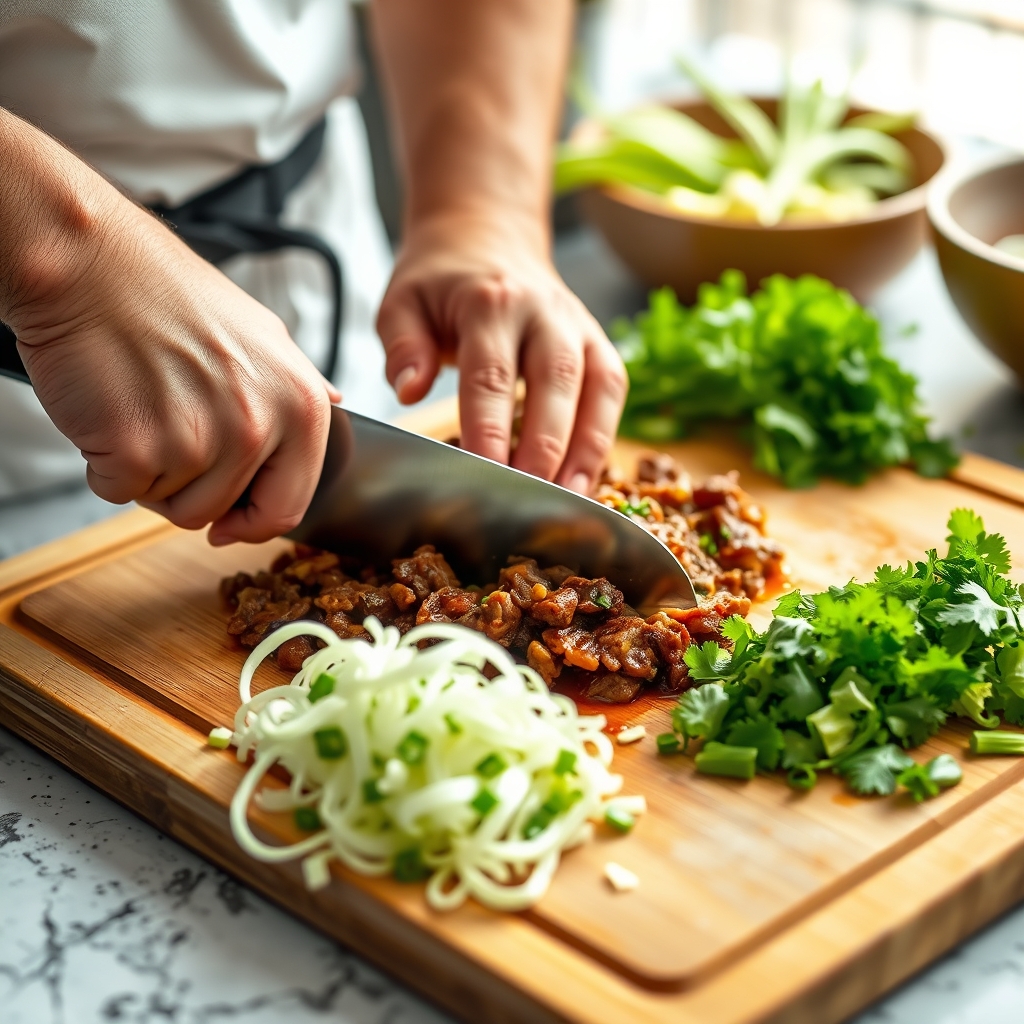
Mastering the Technique: Step-by-Step Guide
Creating the Best Homemade Mongolian Beef is a process that benefits from organization and a clear understanding of each step. Here’s a detailed guide to walk you through it:
Step 1: Prepare the Beef
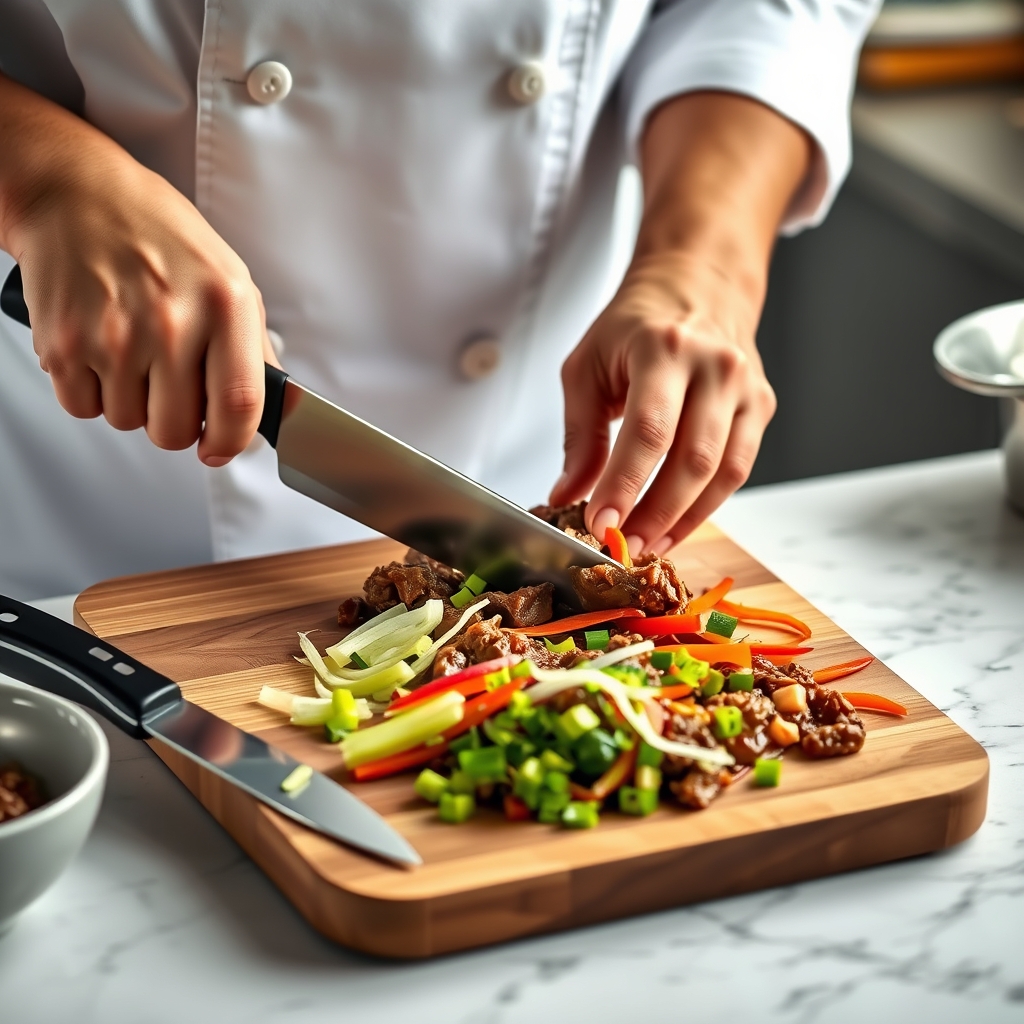
1. Slice the Beef: Take your chosen beef cut (flank, sirloin, etc.) and partially freeze it for 20-30 minutes. This makes it much easier to slice thinly and uniformly. Using a sharp knife, slice the beef against the grain into pieces about 1/8 to 1/4 inch thick. Aim for bite-sized pieces.
2. Velvet the Beef: In a medium bowl, combine the sliced beef with 1 tablespoon of cornstarch, 1 teaspoon of light soy sauce, and a tiny pinch (about 1/4 teaspoon) of baking soda. Mix well with your hands until each piece is coated. Add 1 tablespoon of neutral oil and mix again. Set aside to marinate for at least 15-20 minutes at room temperature, or up to an hour in the refrigerator. This velveting step is critical for tender beef.
Step 2: Prepare the Sauce
1. Whisk Sauce Ingredients: In a separate bowl, whisk together the ingredients for your Mongolian Beef sauce: 1/2 cup light soy sauce (or 1/3 cup light soy sauce and 2 tablespoons dark soy sauce), 1/2 cup packed brown sugar, 2 tablespoons hoisin sauce (if using), 1 tablespoon rice vinegar (if using), 1 teaspoon toasted sesame oil, minced fresh ginger (about 1 tablespoon), and minced fresh garlic (about 1 tablespoon). Add 1/2 cup water or low-sodium chicken broth.
2. Create Cornstarch Slurry: In a small bowl, whisk 2 tablespoons of cornstarch with 3 tablespoons of cold water until smooth. Set aside; this will be added to thicken the sauce later.
Step 3: Prepare Aromatics & Vegetables
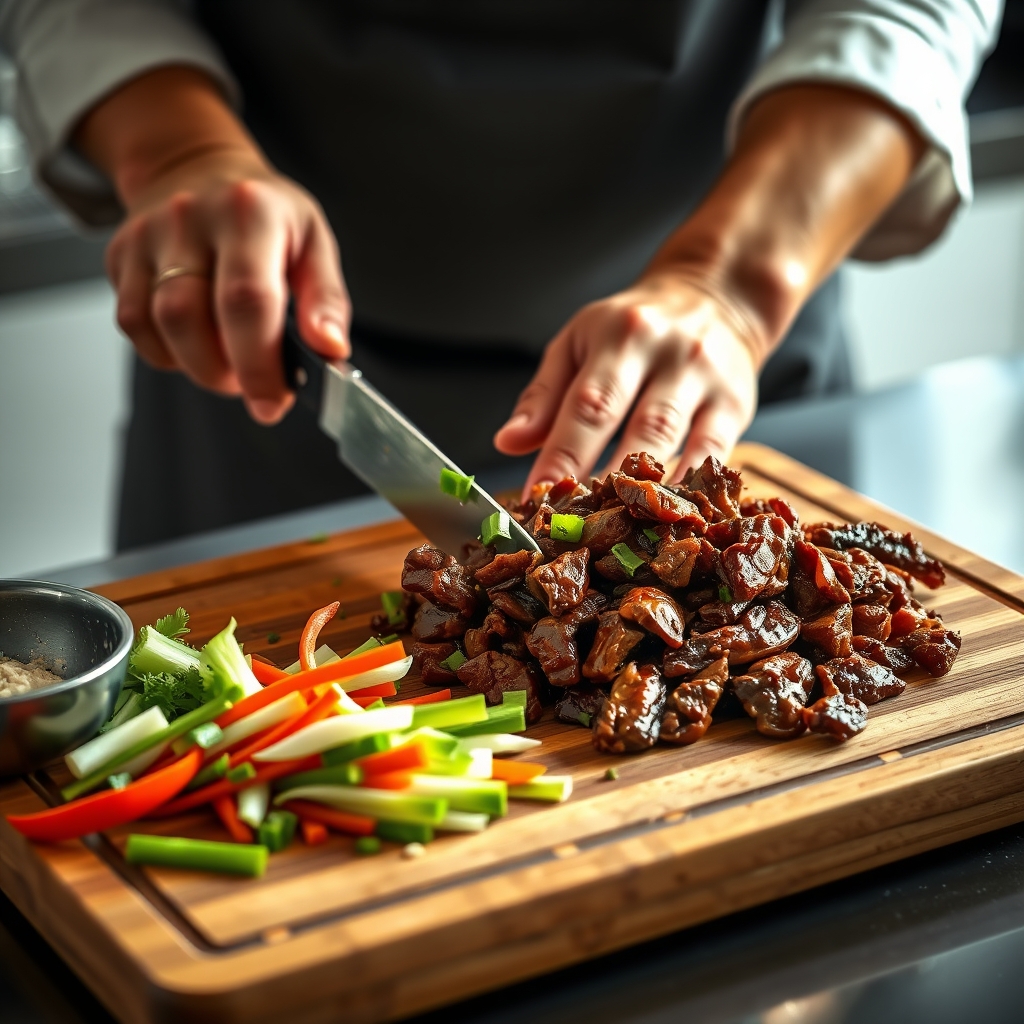
1. Chop Scallions: Slice 1-2 bunches of scallions diagonally into 1-inch pieces, separating the white and light green parts from the dark green tops. The white parts can be added earlier for more flavor, while the green tops are typically a garnish at the end.
2. Optional Vegetables: If adding other vegetables like bell peppers or broccoli florets, have them prepped and ready to go.
Step 4: The Stir-Fry
1. Heat the Wok/Pan: Place a large wok or a heavy-bottomed skillet over high heat. Add 2-3 tablespoons of neutral oil and let it get smoking hot. High heat is essential for a good stir-fry.
2. Sear the Beef: Add the marinated beef in a single layer, ensuring not to overcrowd the pan. You may need to do this in 2-3 batches to prevent the temperature from dropping too much, which would steam the beef instead of searing it. Cook for 1-2 minutes per side until beautifully browned and cooked through, but still tender. Remove the cooked beef from the pan and set aside.
3. Sauté Aromatics: If needed, add another tablespoon of oil to the hot pan. Add any dried red chilies (if using) and the white/light green parts of the scallions. Stir-fry for about 30 seconds until fragrant. If adding other vegetables, add them now and stir-fry until crisp-tender.
4. Add the Sauce: Give the prepared sauce mixture a quick whisk again (as ingredients can settle) and pour it into the hot pan. Bring the sauce to a simmer, scraping up any browned bits from the bottom of the pan.
5. Thicken the Sauce: Once the sauce is simmering, give the cornstarch slurry a final whisk and slowly pour it into the sauce while stirring continuously. The sauce will thicken rapidly. Continue stirring until it reaches your desired glossy, thick consistency.
6. Combine Everything: Return the seared beef to the pan, along with the dark green tops of the scallions. Toss everything together vigorously to coat the beef evenly with the thickened sauce. Cook for another minute or so, just to heat the beef through and ensure it’s well coated.
7. Serve Immediately: The Best Homemade Mongolian Beef is best served hot off the wok.
Tips for Achieving Restaurant-Quality Results
To truly elevate your homemade version to rival your favorite takeout, consider these expert tips:
- High Heat is Your Friend: A screaming hot wok or heavy-bottomed skillet is crucial for stir-frying. This creates the “wok hei” (breath of the wok), a smoky, charred flavor that is a hallmark of authentic stir-fries. Ensure your pan is very hot before adding any ingredients.
- Don’t Overcrowd the Pan: This is one of the most common mistakes in stir-frying. Adding too much beef or vegetables at once will lower the pan’s temperature, causing the ingredients to steam instead of sear, resulting in a less flavorful and often watery dish. Cook in batches if necessary.
- Master the Velveting: As emphasized, velveting is the secret to tender beef. Don’t skip this step. The cornstarch coating protects the meat from the high heat, while the baking soda tenderizes it from within.
- Fresh Ingredients, Always: Use fresh ginger and garlic. Pre-minced versions in jars often lack the vibrant flavor needed for the Best Homemade Mongolian Beef. Fresh scallions are also non-negotiable for their aromatic lift.
- Taste and Adjust the Sauce: Before adding the cornstarch slurry, taste your sauce. Is it too sweet? Add a splash more soy sauce or rice vinegar. Too salty? A bit more brown sugar or water can balance it. Adjust to your preference.
- Mise en Place: This French culinary term means “everything in its place.” Have all your ingredients prepped, measured, and ready to go before you even turn on the stove. Stir-frying is a fast process, and you won’t have time to chop or measure once cooking begins.
Proper Slicing Technique: Always slice the beef against the grain*. This shortens the muscle fibers, making the beef much more tender. Slicing with the grain will result in chewy beef, regardless of velveting. If you’re unsure about the grain, look for the direction the muscle fibers run and cut perpendicularly to them.
- Consider a Wok: While a large skillet works, a carbon steel wok (properly seasoned) distributes heat more evenly and allows for better tossing, which is ideal for stir-frying. Its sloped sides also make it easier to move ingredients around.
By adhering to these tips, you’ll be well on your way to creating a version of Mongolian Beef that not only satisfies your cravings but also impresses anyone lucky enough to share your meal.
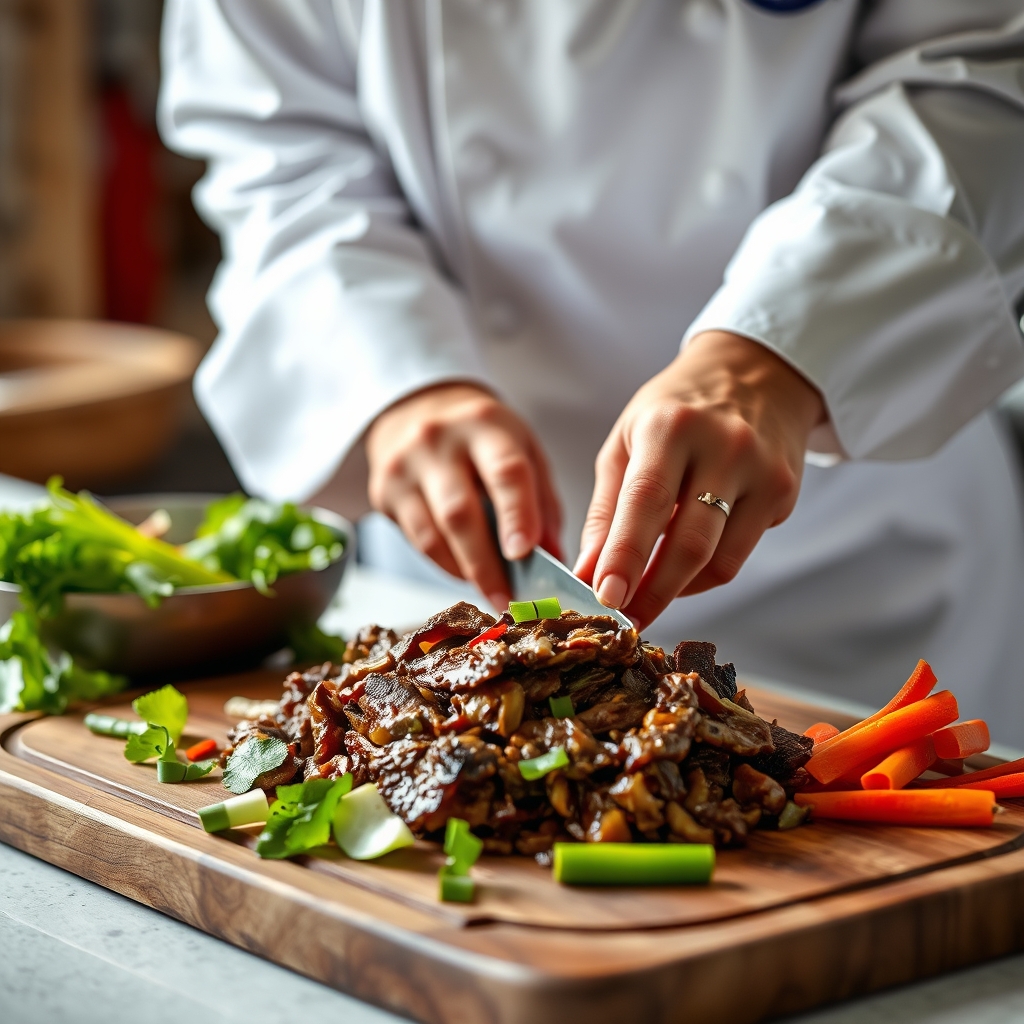
Serving Suggestions and Pairings
The Best Homemade Mongolian Beef is a complete and flavorful meal on its own, but it truly shines when served alongside complementary dishes that balance its richness and enhance the overall dining experience.
- Classic Rice Accompaniments:
* Jasmine Rice: The most traditional pairing. Its fragrant aroma and slightly sticky texture are perfect for soaking up the delicious sauce.
* Brown Rice or Quinoa: For a healthier, whole-grain option, these provide a nutty flavor and more fiber, offering a substantial base for the beef.
- Noodle Options:
* Lo Mein Noodles: Tossed lightly with a touch of sesame oil, these soft wheat noodles make a fantastic alternative to rice.
* Chow Mein Noodles: For those who prefer a crisper texture, pan-fried chow mein noodles provide a satisfying crunch.
- Steamed or Stir-fried Vegetables: To add freshness, color, and nutritional balance to the meal:
* Steamed Broccoli: Simple, clean, and a perfect counterpoint to the rich sauce.
* Bok Choy: Lightly steamed or stir-fried with a touch of garlic, its mild flavor and crisp texture are excellent.
* Snow Peas or Asparagus: Quickly blanched or stir-fried, they add a vibrant green and a delightful snap.
- Garnishes: Don’t underestimate the power of a simple garnish to elevate the presentation and add a final touch of flavor:
* Toasted Sesame Seeds: Sprinkled over the top, they add a nutty crunch and visual appeal.
* Extra Sliced Scallions: A fresh burst of green and a mild oniony bite.
* Chili Flakes: For those who desire an extra kick of heat.
- Drink Pairings:
* Light Beer: A crisp lager or pilsner cuts through the richness of the dish.
* Sake: A dry sake can complement the umami flavors.
* Green Tea: A refreshing and traditional non-alcoholic pairing.
* Dry Riesling or Pinot Noir: For wine enthusiasts, these varietals can surprisingly pair well with the sweet and savory notes.
Troubleshooting Common Issues
Even with the best intentions, cooking can sometimes present challenges. Here are solutions to common problems encountered when making the Best Homemade Mongolian Beef:
- Beef is Tough or Chewy:
Cause: Most likely, the beef was not sliced against the grain*, or the velveting step was skipped or not done correctly. Overcooking can also lead to toughness.
* Solution: Always slice against the grain. Ensure the beef is properly marinated with cornstarch and baking soda. When stir-frying, cook in hot oil in small batches for only 1-2 minutes per side; remove it from the pan as soon as it’s seared, then add it back at the very end to warm through.
- Sauce is Too Thin:
* Cause: Not enough cornstarch in the slurry, or the sauce didn’t simmer long enough for the cornstarch to activate.
* Solution: Ensure you’re using the correct ratio of cornstarch to water for your slurry. If the sauce is still too thin, mix an additional 1 teaspoon of cornstarch with 1 tablespoon of cold water, whisk until smooth, and slowly stir it into the simmering sauce until it reaches the desired thickness.
- Sauce is Too Thick/Gummy:
* Cause: Too much cornstarch, or the sauce cooked for too long after adding the slurry.
* Solution: Thin the sauce by stirring in a tablespoon or two of hot water or chicken broth until the desired consistency is achieved.
- Sauce is Too Sweet or Too Salty:
* Cause: Imbalance of brown sugar and soy sauce.
* Solution: If too sweet, add a splash more soy sauce or rice vinegar. If too salty, add a little more brown sugar, a splash of water, or a bit more broth to dilute it. Always taste and adjust before adding the cornstarch slurry.
- Dish is Bland/Lacks Flavor:
* Cause: Insufficient aromatics (ginger, garlic), low-quality soy sauce, or not enough seasoning.
* Solution: Ensure you’re using fresh, potent ginger and garlic. Don’t skimp on the amounts. Use a good quality soy sauce. If the dish tastes flat, a tiny dash of fish sauce or a pinch of MSG (monosodium glutamate) can boost the umami.
- Dish is Greasy:
* Cause: Too much oil used for stir-frying, or the beef wasn’t drained properly after searing.
* Solution: Use just enough oil to coat the bottom of the pan for stir-frying. If you find excess oil after searing the beef, you can carefully drain some off before adding the aromatics and sauce. Velveting with oil also helps prevent the beef from absorbing too much additional oil during cooking.
By understanding these common pitfalls and their remedies, one can confidently navigate the cooking process and consistently produce the Best Homemade Mongolian Beef.
Health Benefits and Customization
One of the significant advantages of preparing the Best Homemade Mongolian Beef is the ability to customize it to fit various dietary preferences and health goals, a flexibility often unavailable with takeout options.
Healthier Options
- Leaner Beef Cuts: Opt for leaner cuts like sirloin or eye of round, trimmed of visible fat. While flank steak is relatively lean, these options can further reduce fat content.
- Reduced Sugar: The traditional recipe can be quite sweet. Reduce the amount of brown sugar by 1/4 to 1/2, or substitute with a natural sweetener like honey or maple syrup (adjusting quantities as needed for desired sweetness). Some artificial sweeteners can also be used, though they may alter the flavor profile.
- Low-Sodium Soy Sauce: Easily available in most grocery stores, low-sodium soy sauce significantly cuts down on the sodium content without sacrificing flavor, especially important for those managing blood pressure.
- More Vegetables: While traditional Mongolian Beef is light on vegetables, there’s no rule against adding more. Broccoli, bell peppers, carrots, snow peas, mushrooms, or bok choy can be stir-fried alongside the beef, boosting fiber, vitamins, and minerals. This also extends the dish, allowing for smaller portions of beef.
- Healthy Oils: Stick to neutral oils with high smoke points like avocado oil or grapeseed oil, which are good sources of healthy fats.
Dietary Adjustments
- Gluten-Free: Substitute regular soy sauce with tamari, a gluten-free alternative that offers a similar savory flavor. Ensure any other sauces used (like hoisin) are also certified gluten-free.
- Vegetarian/Vegan: The essence of Mongolian Beef can be replicated with plant-based proteins.
* Tofu: Firm or extra-firm tofu, pressed and then pan-fried or baked until crispy, can replace the beef. It absorbs flavors wonderfully.
* Mushrooms: Large, meaty mushrooms like king oyster mushrooms or portobello mushrooms, sliced and stir-fried, can offer a satisfying texture and umami depth.
* Seitan: A wheat-based protein, seitan has a chewy texture similar to meat and can be prepared similarly to beef.
- Spice Level:
* Mild: Omit dried chilies or chili flakes entirely.
* Medium: Add a few dried red chilies to the oil when sautéing aromatics, or a pinch of chili flakes to the sauce.
* Hot: Increase the amount of chilies, add a dash of Sriracha or a few drops of chili oil to the finished dish.
Customizing your Best Homemade Mongolian Beef allows for endless variations, making it a versatile dish that can cater to almost any palate or dietary requirement. For more information on healthy ingredient substitutions in Asian cooking, resources like EatingWell or similar health-focused food blogs can provide excellent guidance.
Conclusion
Mastering the Best Homemade Mongolian Beef is a culinary achievement that brings the vibrant flavors and comforting textures of a beloved restaurant dish directly to your dining table. This journey, from understanding the dish’s true origins to meticulously preparing each component, culminates in a meal that is not only deeply satisfying but also a testament to the rewards of home cooking. By embracing the techniques of proper beef slicing, the magic of velveting, and the careful balance of sweet, savory, and umami in the sauce, anyone can achieve a truly exceptional rendition of this classic.
The detailed steps, expert tips, and troubleshooting advice provided in this guide aim to empower home cooks to confidently tackle what might seem like a complex dish. The ability to customize ingredients for health benefits or dietary needs further enhances the appeal of preparing the Best Homemade Mongolian Beef from scratch, offering a fresher, often healthier, and more cost-effective alternative to takeout.
So, gather your ingredients, sharpen your knife, and prepare to transform your kitchen into a haven of aromatic delight. The satisfaction of serving a platter of perfectly tender beef, glistening with a rich, flavorful sauce, will undoubtedly make all your efforts worthwhile. Embrace the joy of creating, and savor every bite of your homemade masterpiece.
Related Topics You Might Enjoy:
- How to Velvet Beef for Stir-Fries
- Authentic Mongolian Beef: Restaurant-Quality Recipe at Home 2025
- PF Chang’s Mongolian Beef Copycat Recipe: Easy Homemade Guide
For further reading on the science of flavor and cooking techniques that contribute to dishes like Mongolian Beef, consider exploring resources like America’s Test Kitchen or similar culinary science websites. Understanding concepts like the Maillard reaction, which contributes to the browning and flavor development of the beef, can further enhance your cooking prowess.
Share Your Experience!
There are no reviews yet. Be the first one to write one.
One Comment
Comments are closed.