
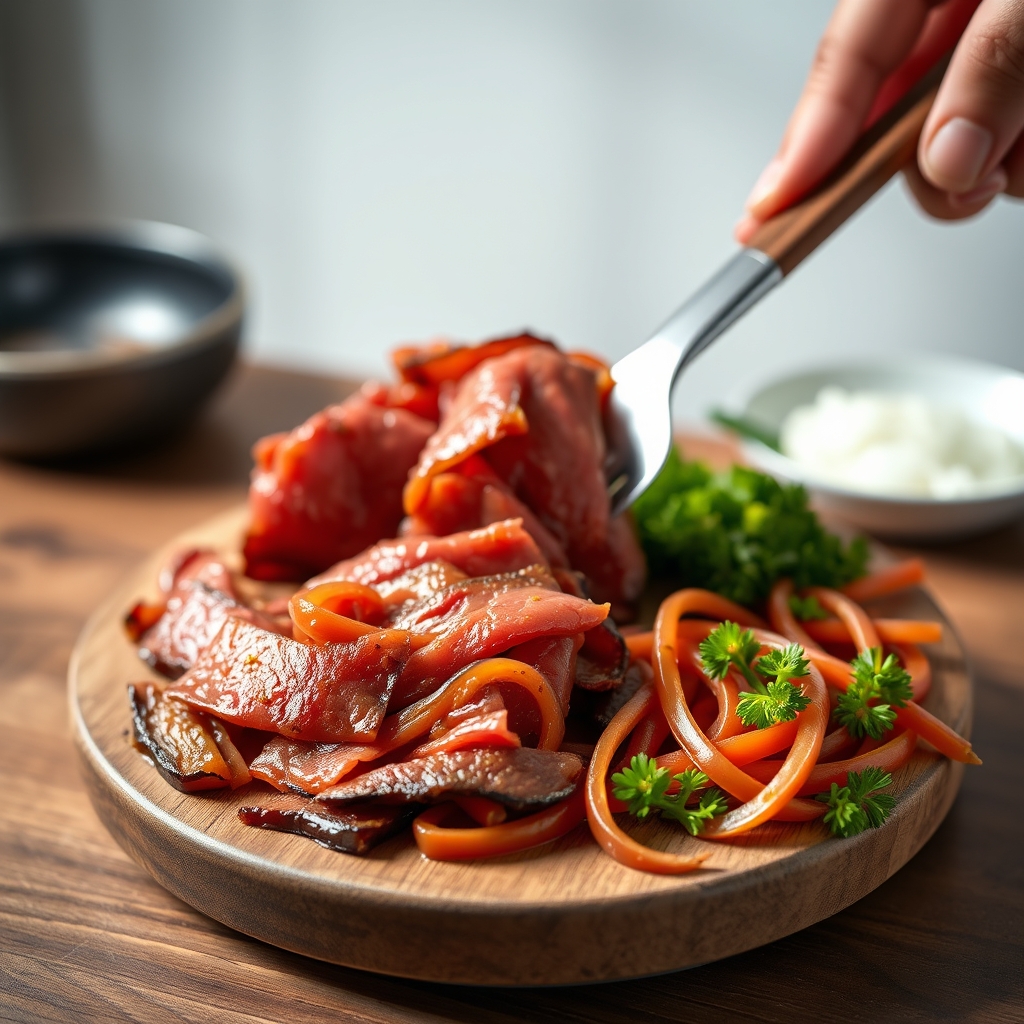
Master Easy Thin Sliced Chinese Beef for Tender Stir-Fries
Ever wondered how your favorite Chinese restaurants achieve that incredibly tender, flavorful beef in their stir-fries, seemingly effortlessly? That perfectly cooked, melt-in-your-mouth texture isn’t a secret held only by professional chefs; it’s a technique accessible to any home cook. The key lies in mastering the art of easy thin sliced Chinese beef, a fundamental skill that unlocks a world of delicious, quick, and satisfying meals right in your own kitchen.
Table of Contents
The allure of a perfectly executed Chinese beef stir-fry is undeniable. It’s a dish that promises a symphony of textures and flavors – tender beef, crisp-tender vegetables, and a rich, savory sauce, all coming together in a matter of minutes. At the heart of this culinary delight is the preparation of the beef itself, specifically the technique of achieving thin, uniform slices that cook rapidly and absorb marinades beautifully. This article is dedicated to demystifying the process, guiding home cooks through every step to create truly exceptional easy thin sliced Chinese beef.
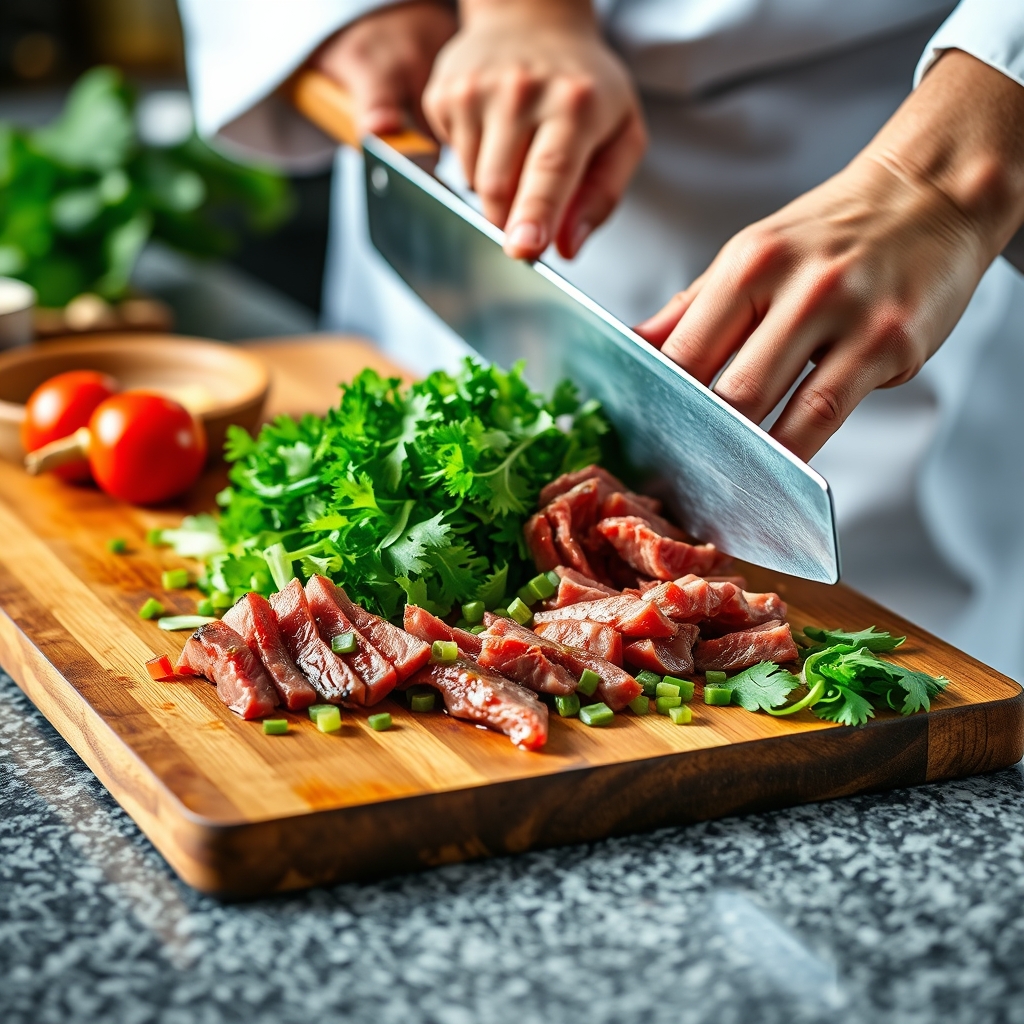
Many home cooks shy away from making Chinese beef dishes, fearing tough meat or a lack of authentic flavor. However, with the right knowledge and a few simple techniques, anyone can master the art of preparing easy thin sliced Chinese beef. This comprehensive guide will cover everything from selecting the ideal cut of meat to the nuances of slicing against the grain, the magic of velveting, and the secrets to a perfectly seared finish. By the end, readers will possess the confidence and skills to consistently produce restaurant-quality easy thin sliced Chinese beef for a variety of beloved dishes.
Preparing easy thin sliced Chinese beef is not just about speed; it’s about optimizing tenderness, maximizing flavor, and ensuring an enjoyable eating experience. The techniques discussed here are foundational to many Asian beef preparations, making this an invaluable skill for anyone looking to expand their culinary repertoire. Let’s dive into the specifics that transform a simple cut of beef into a star ingredient for quick, flavorful, and truly easy Chinese meals.
The Foundation: Why Thin Slicing Matters for Easy Chinese Beef
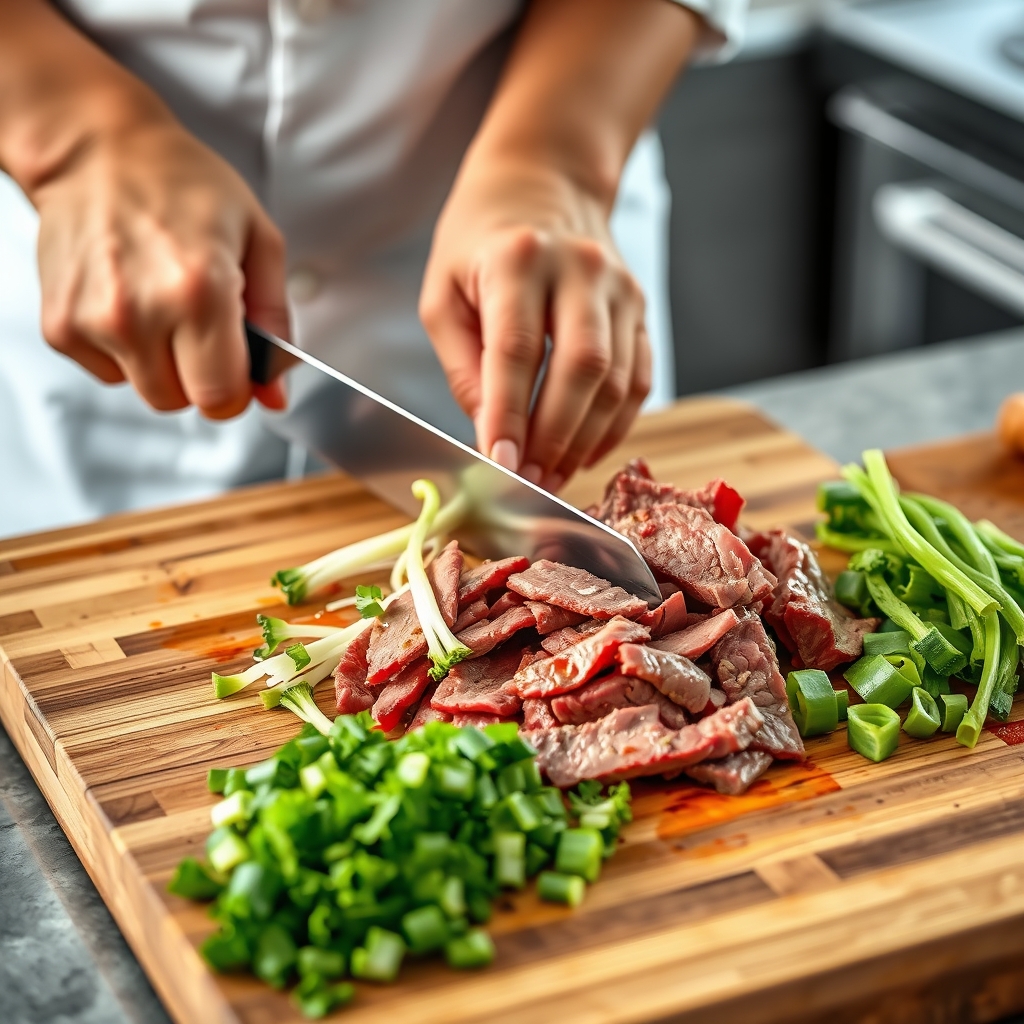
The seemingly simple act of thin slicing beef is, in fact, a cornerstone technique in Chinese cooking, especially for stir-fries. It’s not merely an aesthetic choice; it’s a fundamental method that significantly impacts the beef’s tenderness, flavor absorption, and overall cooking efficiency. Understanding these principles is the first step towards mastering easy thin sliced Chinese beef.
Enhancing Tenderness
One of the primary reasons for thin slicing beef is to enhance its tenderness. Beef muscle fibers, when cooked, can contract and become tough. By slicing the meat thinly, especially against the grain (which we’ll discuss in detail later), one effectively shortens these muscle fibers. This reduction in fiber length means less resistance when chewing, resulting in a more tender and pleasant mouthfeel. Furthermore, thin slices cook much faster, minimizing the time the meat spends exposed to high heat, which can otherwise cause proteins to seize up and toughen.
Maximizing Flavor Absorption
Thin slices offer a significantly larger surface area relative to their volume compared to thicker cuts. This increased surface area is crucial for marinade penetration. A well-crafted marinade, featuring ingredients like soy sauce, Shaoxing wine, and cornstarch, can deeply infuse the thin beef slices with flavor and contribute to their tender texture. The more surface area available, the more effectively the marinade can work its magic, ensuring that every bite of easy thin sliced Chinese beef is packed with savory goodness.
Achieving Wok Hei (or Home Cook’s Equivalent)
In traditional Cantonese cooking, “wok hei” (氣), or the “breath of the wok,” refers to the unique smoky, charred aroma and flavor imparted by a properly seasoned wok over intense heat. While replicating true wok hei in a home kitchen can be challenging without specialized equipment, thin slicing helps achieve a similar effect. When thin slices of beef hit a screaming hot wok or pan, they sear quickly, developing a delicious brown crust and caramelization without overcooking the interior. This rapid searing contributes to a complex flavor profile that is characteristic of authentic Chinese stir-fries.
Uniform Cooking
Consistency is key in cooking, and thin slicing aids immensely in achieving uniform doneness. When all pieces of beef are roughly the same thickness, they will cook at the same rate. This prevents some pieces from being overcooked and tough while others remain undercooked. Uniformly thin slices ensure that every piece of easy thin sliced Chinese beef reaches its optimal tenderness and flavor simultaneously, contributing to a harmonious dish.
Safety and Hygiene
While not directly related to tenderness or flavor, the practice of thin slicing also implicitly encourages proper meat handling. Working with raw beef requires attention to detail, and the focus on precise slicing often leads to more careful and hygienic preparation practices, ensuring a safe and delicious meal.
Selecting the Perfect Cut for Your Easy Thin Sliced Chinese Beef
The journey to perfect easy thin sliced Chinese beef begins at the butcher counter. While many cuts can be adapted, certain types of beef are inherently better suited for stir-frying due to their tenderness, flavor, and lean muscle structure.
Top Choices
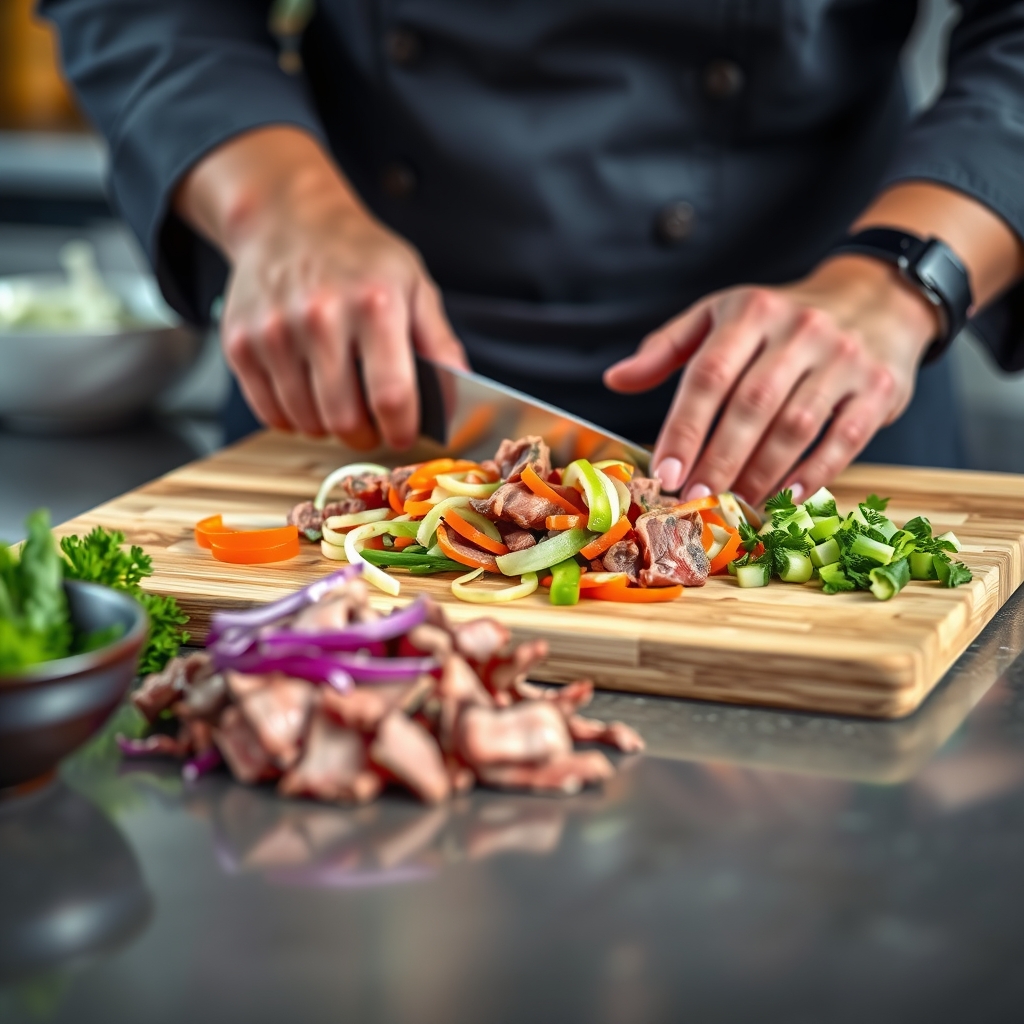
When selecting beef for stir-frying, the goal is often a balance of tenderness and flavor without excessive fat that could make the dish greasy.
- Flank Steak: This is arguably the most popular choice for Chinese stir-fries. Flank steak is lean, relatively inexpensive, and has a strong, identifiable grain. When sliced thinly against the grain, it becomes wonderfully tender and absorbs marinades exceptionally well. Its robust flavor stands up beautifully to bold stir-fry sauces.
- Skirt Steak: Similar to flank steak, skirt steak is also lean and flavorful. It has an even more pronounced grain and can be slightly tougher than flank if not sliced correctly. However, when prepared properly (sliced very thinly against the grain), it yields incredibly tender results. Skirt steak also benefits greatly from marinades.
- Sirloin (Top Sirloin or Sirloin Tip): Sirloin offers a good balance of tenderness and flavor, often at a moderate price point. It’s leaner than some other cuts but still has enough marbling to remain juicy. Top sirloin is generally more tender than sirloin tip. It’s a versatile choice that works well for a variety of easy thin sliced Chinese beef dishes.
Good Alternatives
If the top choices aren’t available or if one prefers a slightly different texture, these cuts can also be used with good results.
- Eye of Round: This is a very lean and relatively inexpensive cut. While it can be tougher than flank or sirloin, it can be made tender through proper thin slicing against the grain and effective velveting (a technique we’ll discuss later). It’s a good option for those seeking a very lean beef stir-fry.
- Chuck Steak/Roast (with caveats): Chuck cuts are known for their rich beefy flavor and higher fat content, but they are also inherently tougher due to connective tissue. While typically used for slow cooking, a well-marbled chuck steak can be used for stir-frying if sliced extremely thinly and vigorously velveted. However, it requires more effort to achieve tenderness compared to the preferred cuts.
What to Avoid (Generally)
While culinary creativity knows no bounds, certain cuts are generally less suitable for quick stir-fries due to their inherent toughness or high fat content, which can make the dish greasy and less appealing in a stir-fry context. These include cuts like short ribs (unless deboned and treated specifically), stewing beef (too tough for quick cooking), or overly fatty cuts like ribeye (unless trimmed meticulously and cooked very quickly for a different texture profile).
Understanding Grain
Regardless of the cut chosen, understanding the “grain” of the meat is paramount. The grain refers to the direction in which the muscle fibers run. For maximum tenderness in easy thin sliced Chinese beef, it is absolutely essential to slice against the grain. Slicing with the grain leaves long muscle fibers intact, making the cooked beef chewy and tough. Slicing against the grain, however, shortens these fibers, ensuring a tender bite. Always examine the beef before slicing to identify the direction of the fibers.
The Art of Thin Slicing: Techniques for Easy Chinese Beef Preparation
Once the perfect cut of beef is selected, the next crucial step is mastering the slicing technique. This is where the “thin sliced” aspect of easy thin sliced Chinese beef truly comes to life, impacting both texture and cooking efficiency.
Partial Freezing: The Secret Weapon for Perfect Slices
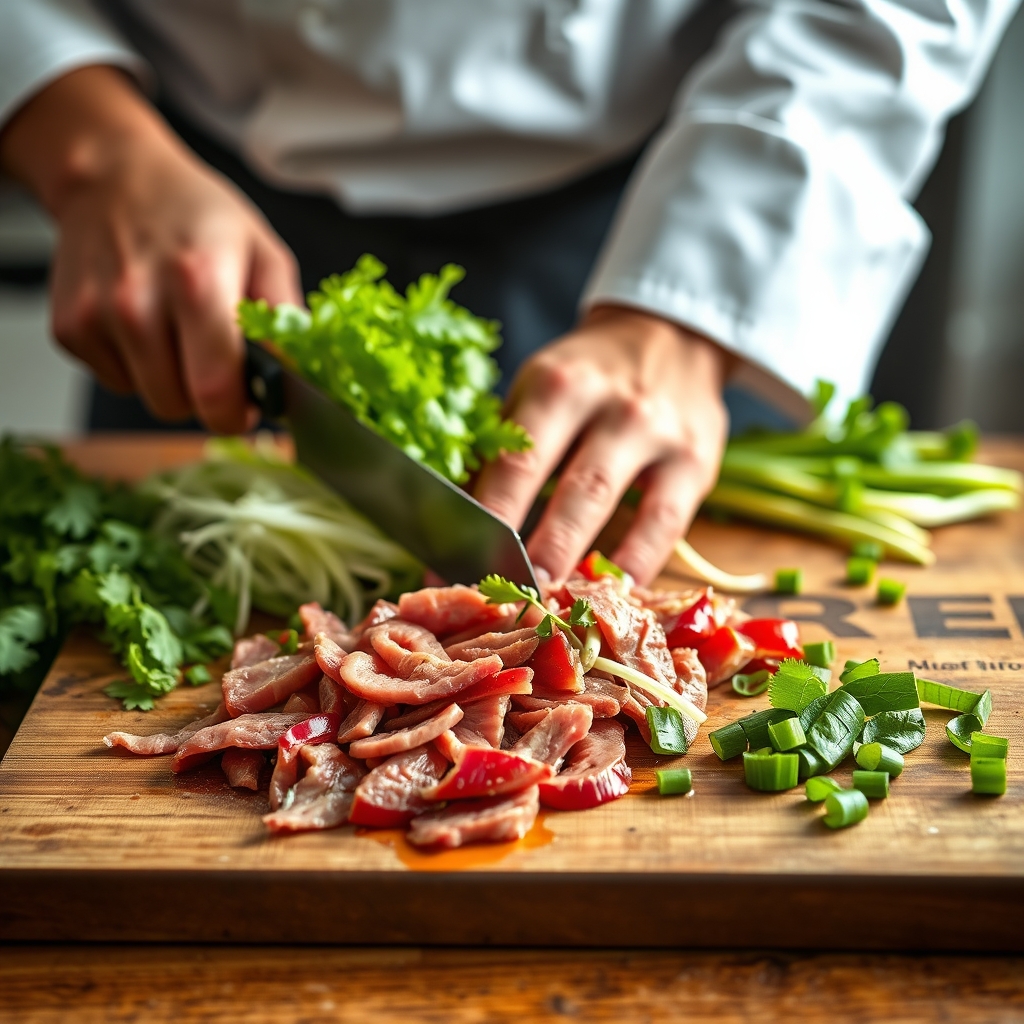
This is perhaps the most important tip for achieving uniformly thin slices. Place the beef in the freezer for about 30-60 minutes, or until it is firm but not completely frozen solid. The exact time will depend on the thickness of the cut and the freezer’s temperature. A partially frozen piece of beef is much easier to slice thinly and evenly, as it prevents the meat from wiggling and tearing under the knife. This technique provides stability, allowing for cleaner, more precise cuts.
Sharp Knife is Key
A sharp knife is not just a convenience; it’s a safety tool and a necessity for effective slicing. A dull knife will slip, tear the meat, and require more force, increasing the risk of injury. Invest in a good quality chef’s knife or slicing knife and ensure it is sharpened regularly. A sharp blade glides through the partially frozen beef with minimal effort, yielding clean, even slices.
Slicing Against the Grain: The Golden Rule
As mentioned earlier, slicing against the grain is non-negotiable for tender easy thin sliced Chinese beef.
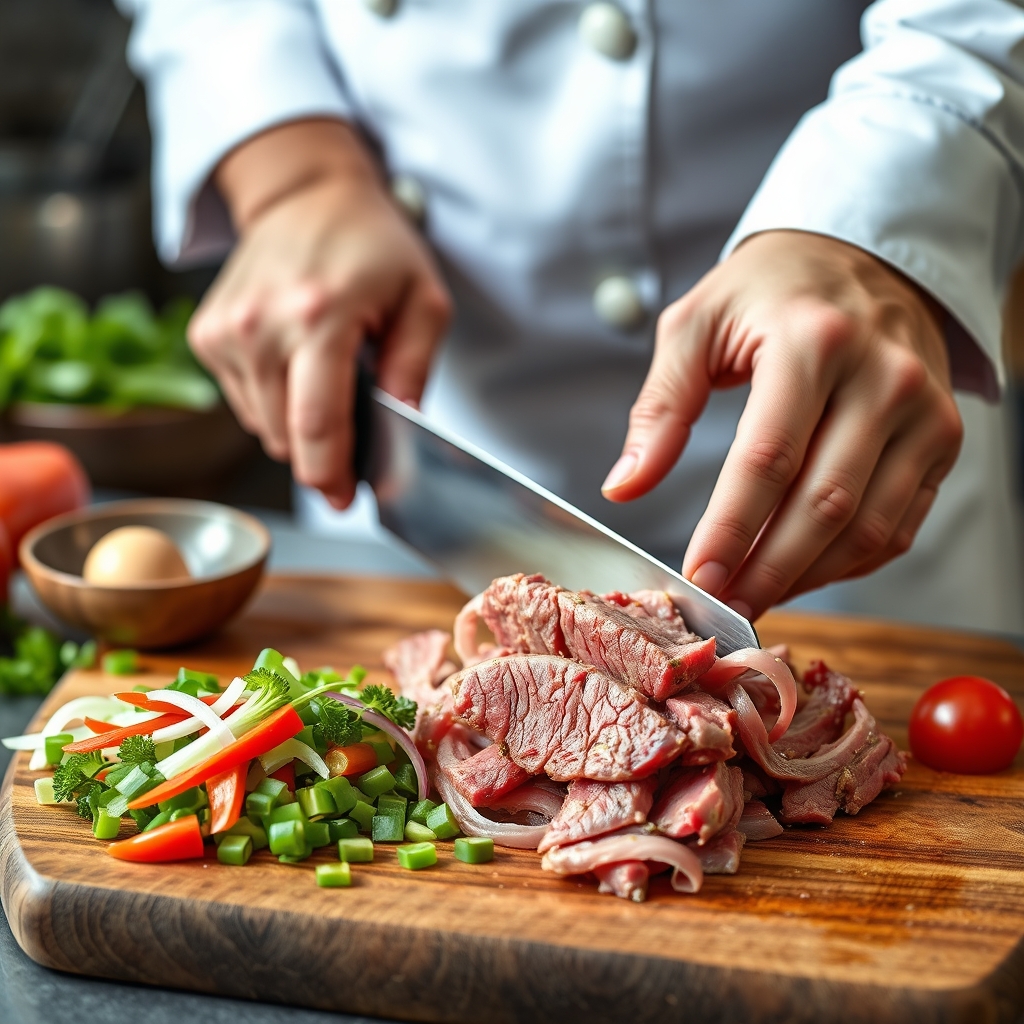
1. Identify the Grain: Before you start cutting, observe the beef. You’ll notice lines running in a particular direction – these are the muscle fibers.
2. Orient the Meat: Position the beef so that these fibers are running perpendicular to your knife blade.
3. Make the Cut: With your sharp knife, slice across these fibers. Each slice should essentially cut through many short segments of muscle fiber, rather than running parallel to long ones.
Example:* If the fibers run horizontally, you’ll slice vertically. If they run diagonally, you’ll slice diagonally in the opposite direction.
Tip:* Sometimes, a large cut of beef (like flank steak) might have fibers running in different directions in different sections. In such cases, it’s best to cut the beef into smaller, manageable sections first, and then slice each section against its respective grain.
Achieving Uniformity
Aim for slices that are about 1/8 to 1/4 inch thick. Consistency in thickness is vital for even cooking.
- Steady Hand: Use a firm, steady grip on the beef with your non-slicing hand, keeping your fingers curled under (the “claw” grip) to protect them.
- Even Pressure: Apply even pressure as you slice, using the full length of the blade in a smooth, confident motion. Avoid sawing motions, which can tear the meat.
- Practice Makes Perfect: Don’t get discouraged if your first few slices aren’t perfect. Like any culinary skill, thin slicing improves with practice.
Knife Skills and Safety
Always prioritize safety when handling sharp knives.
- Stable Cutting Board: Use a non-slip cutting board to prevent accidents.
- Proper Grip: Hold the knife correctly, with a pinch grip on the blade for control.
- Focus: Pay attention to the task at hand and avoid distractions.
By following these techniques, one can confidently prepare perfectly thin, uniform slices of beef, laying the groundwork for truly tender and delicious easy thin sliced Chinese beef dishes.
The Marinade Magic: Unlocking Flavor and Tenderness for Easy Thin Sliced Chinese Beef
The marinade is the secret weapon that transforms simple thin slices of beef into succulent, flavorful morsels. Beyond just imparting taste, a well-formulated marinade, particularly one utilizing the “velveting” technique, plays a critical role in tenderizing the meat and giving it that signature silky texture often found in Chinese restaurant dishes.
Why Marinate?
Marinating serves several crucial functions for easy thin sliced Chinese beef:
- Flavor Infusion: It introduces aromatic and savory notes directly into the meat.
- Tenderization: Specific ingredients work to break down muscle fibers or protect them during cooking.
- Moisture Retention: It helps the beef remain juicy and prevents it from drying out during high-heat cooking.
- Protection: The coating created by some marinades, especially those with cornstarch, acts as a barrier, preventing the meat from toughening too quickly.
Key Marinade Components
A classic Chinese beef marinade often includes a combination of savory, aromatic, and tenderizing agents.
- Soy Sauce/Oyster Sauce: These provide the foundational umami and saltiness. Light soy sauce is common, while oyster sauce adds a touch of sweetness and depth.
- Shaoxing Wine (or Dry Sherry): A staple in Chinese cooking, Shaoxing wine adds a distinctive aromatic complexity and helps to neutralize any gamey odors from the beef. Dry sherry can be used as a substitute.
- Sesame Oil: A small amount of toasted sesame oil adds a wonderful nutty aroma that is characteristic of many Asian dishes. It’s usually added at the end of the marinating process or just before cooking to preserve its delicate flavor.
- Cornstarch: This is a vital ingredient for achieving the “velveted” texture. Cornstarch creates a protective coating around each slice of beef, preventing it from drying out and ensuring a silky, tender texture. It also helps the sauce cling to the meat later.
- Baking Soda (Velveting): This is the true tenderizing marvel. A small amount of baking soda (sodium bicarbonate) raises the pH of the meat, loosening its protein structure. This process, known as velveting, dramatically tenderizes the beef, making even tougher cuts surprisingly tender. However, caution is advised: too much baking soda can give the meat a metallic taste and a mushy texture. A common ratio is about 1/2 to 1 teaspoon of baking soda per pound of beef. After marinating with baking soda, it’s often recommended to rinse the beef thoroughly and then pat it dry before adding the rest of the marinade.
- Ginger/Garlic: Freshly minced ginger and garlic are essential aromatics that infuse the beef with their pungent, warming flavors.
- Sugar: A pinch of sugar helps to balance the savory flavors, promote browning, and add a subtle sweetness.
Understanding Velveting in Detail
Velveting is a technique widely used in Chinese restaurants to achieve incredibly tender, silky meat. It typically involves two main steps:
1. Baking Soda Treatment: Marinating the thin sliced beef with a small amount of baking soda for 15-30 minutes. The alkalinity of the baking soda denatures the proteins, preventing them from seizing up and toughening during cooking.
2. Cornstarch Coating: After rinsing off the baking soda (if used separately, or if combined with other marinade ingredients), the beef is coated with cornstarch. This creates a protective layer that locks in moisture and results in the characteristic “velvety” texture. The cornstarch also helps the beef brown beautifully and allows the final sauce to cling to the meat.
Marination Time
For easy thin sliced Chinese beef, the marination time is relatively short due to the thinness of the slices and the effectiveness of the tenderizing agents.
- Minimum: At least 15-30 minutes at room temperature (or refrigerated). This is usually sufficient for flavor absorption and initial tenderization, especially with baking soda.
- Optimal: 30 minutes to 2 hours in the refrigerator. This allows for deeper flavor penetration and more thorough tenderization without over-marinating.
- Overnight: While possible, it’s generally not necessary for thin slices and can sometimes lead to a slightly mushy texture if baking soda is used excessively. For longer marination, it’s often better to omit or reduce the baking soda.
By carefully selecting and combining these marinade components, home cooks can achieve a level of tenderness and flavor in their easy thin sliced Chinese beef that rivals their favorite takeout.
Cooking Your Easy Thin Sliced Chinese Beef to Perfection
With the beef perfectly sliced and marinated, the final stage is cooking. This step is crucial for achieving that desirable sear, maintaining tenderness, and integrating the beef into a flavorful stir-fry. The principles here revolve around high heat, quick cooking, and preventing overcrowding.
Prepping for the Wok/Pan
Before the beef even hits the heat, a few preparations are essential:
- High Heat is Paramount: Whether using a wok or a large skillet, ensure it is screaming hot before adding any oil or beef. High heat is critical for searing the beef quickly and developing flavor, rather than steaming it.
- Right Oil: Use an oil with a high smoke point, such as grapeseed oil, canola oil, peanut oil, or avocado oil. Olive oil is generally not recommended for high-heat stir-frying. Add enough oil to lightly coat the bottom of the pan, but not so much that the beef deep-fries.
- Pat Dry (if necessary): If the beef appears excessively wet after marinating (especially if rinsed after baking soda), gently pat it dry with paper towels. Excess moisture will lower the pan’s temperature and hinder proper searing.
The Searing Process: Quick, Hot, Small Batches
This is the most critical part of cooking easy thin sliced Chinese beef.
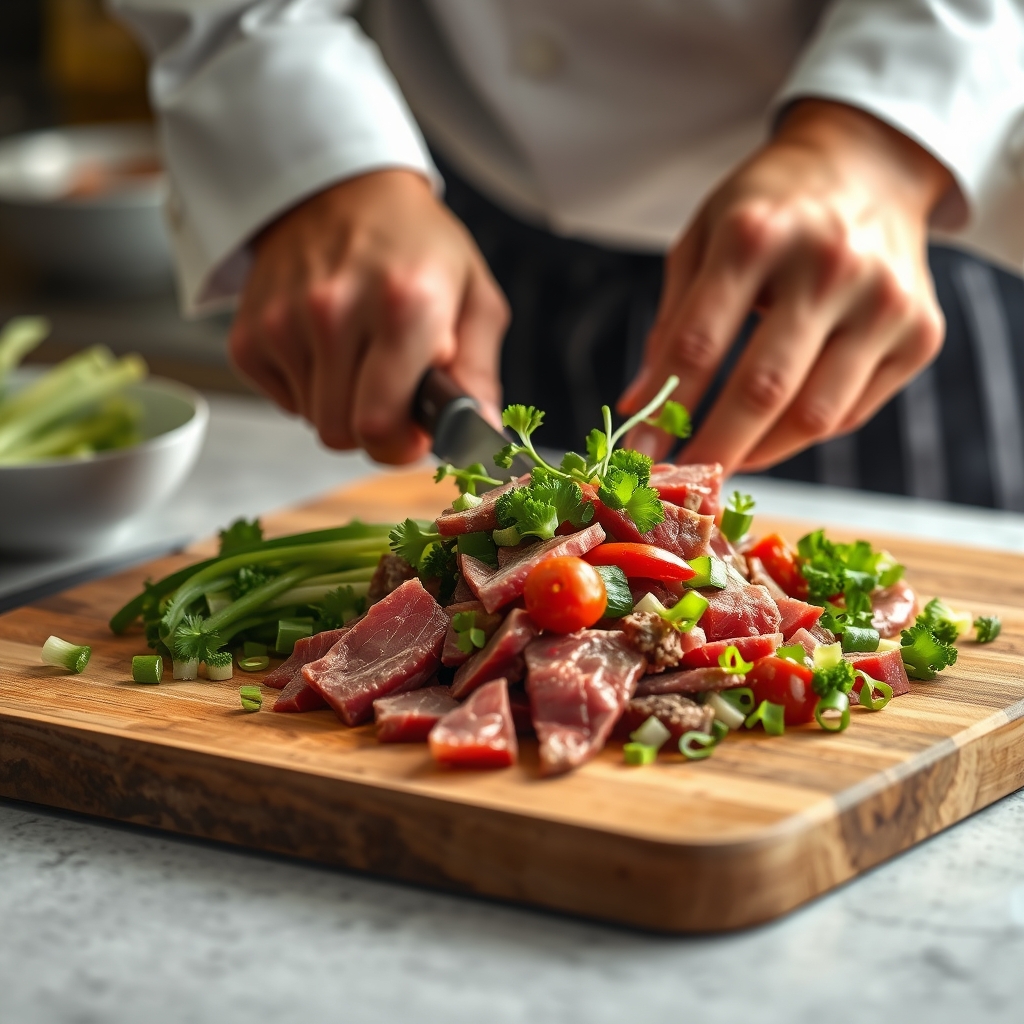
- Single Layer: Add the marinated beef slices to the hot wok or pan in a single layer. Do not dump all the beef in at once.
- Avoid Overcrowding: This is perhaps the most common mistake. Overcrowding the pan will drastically drop its temperature, causing the beef to steam and release its juices instead of searing. The result is grey, tough, and less flavorful meat.
- Cook in Batches: If cooking more than a small amount of beef, cook it in batches. Cook a portion until seared, remove it to a plate, and then repeat with the next batch. This ensures consistent high heat and proper browning for every piece.
- Quick Cooking: Thin slices of beef cook very quickly. Sear each side for just 30-60 seconds, or until nicely browned on the outside and still slightly pink in the center. Remember, it will continue to cook slightly from residual heat.
Doneness
For optimal tenderness and juiciness, easy thin sliced Chinese beef should be cooked to medium-rare to medium. It should still have a hint of pink in the center. Overcooking will inevitably lead to tough, dry beef, even with all the prior tenderizing efforts. The beauty of thin slices is that they cook so rapidly, making it easier to hit that perfect doneness.
Resting the Beef (briefly)
Once seared, remove the beef from the pan and let it rest on a plate for a few minutes while you cook the vegetables and prepare the sauce. While less crucial for very thin slices than for thick steaks, a brief rest allows the juices to redistribute, ensuring the beef remains as tender and moist as possible. This also clears the pan for subsequent cooking steps.
By adhering to these principles of high heat, proper searing, and batch cooking, one can consistently achieve perfectly cooked easy thin sliced Chinese beef that is tender, flavorful, and ready to be incorporated into any delicious stir-fry or Chinese-inspired dish.
Bringing it All Together: Recipes and Applications for Easy Thin Sliced Chinese Beef
The beauty of mastering easy thin sliced Chinese beef lies in its versatility. Once prepared, these tender morsels can be the star of countless dishes, from classic stir-fries to noodle bowls and beyond. Here are a few popular applications and recipe ideas.
Classic Beef and Broccoli
This is arguably the most iconic Chinese beef dish, and for good reason.
- Preparation: After searing the easy thin sliced Chinese beef and setting it aside, stir-fry blanched broccoli florets until crisp-tender.
- Sauce: Whisk together soy sauce, oyster sauce, Shaoxing wine, a touch of sugar, minced garlic and ginger, and a cornstarch slurry.
- Assembly: Return the beef to the wok, pour in the sauce, and stir until it thickens and coats everything beautifully. Serve immediately over steamed rice.
Quick Beef with Peppers and Onions
A vibrant and flavorful dish that comes together in minutes.
- Preparation: Sear the beef and set aside. Stir-fry sliced bell peppers (any color) and onions until tender-crisp.
- Sauce: A simple sauce of soy sauce, black bean sauce (for depth), a dash of vinegar, and a cornstarch slurry works wonders.
- Assembly: Combine the beef, vegetables, and sauce in the wok, tossing to coat. Serve hot.
Stir-fries with Noodles or Rice
Easy thin sliced Chinese beef is a natural fit for both rice and noodle stir-fries, adding protein and flavor.
- Lo Mein/Chow Mein: Add the seared beef to cooked egg noodles along with stir-fried vegetables like carrots, cabbage, and bean sprouts. Toss with a savory sauce.
Fried Rice: Incorporate diced or shredded easy thin sliced Chinese beef into your favorite fried rice recipe for a hearty meal. For a deep dive into perfecting your fried rice, consider exploring our article on How to Make Restaurant-Quality Fried Rice at Home*.
Other Asian-Inspired Dishes
The utility of easy thin sliced Chinese beef extends beyond traditional Chinese stir-fries.
- Korean Bulgogi-Style: Marinate the thin beef slices in a Korean-inspired marinade (soy sauce, sesame oil, garlic, ginger, sugar, pear juice) and quickly grill or pan-fry them.
- Vietnamese Pho: While not a stir-fry, ultra-thin slices of raw beef are often added to hot pho broth, where they cook instantly, showcasing the tenderizing effect of thin slicing.
Sauce Pairings
The choice of sauce can dramatically alter the character of your easy thin sliced Chinese beef dish:
- Garlic Sauce: A pungent and savory classic, often with a hint of spice.
- Black Bean Sauce: Offers a rich, fermented umami flavor.
- Szechuan Sauce: For those who enjoy a fiery kick with numbing undertones.
- Hunan Sauce: Known for its bold and spicy profile.
- Teriyaki Sauce: While Japanese, a homemade teriyaki can also pair well, offering a sweet and savory glaze.
- General Tso’s/Orange Sauce: These sweet and tangy sauces, often associated with crispy fried chicken, can also be adapted for stir-fried beef.
By understanding the foundational techniques for easy thin sliced Chinese beef, home cooks gain the flexibility to experiment with a vast array of flavors and recipes, making weeknight dinners exciting and delicious. To further enhance your Asian cooking, learn more about Mastering Essential Chinese Stir-Fry Sauces.
Troubleshooting Common Issues with Easy Thin Sliced Chinese Beef
Even with the best intentions, home cooks can sometimes encounter challenges when preparing easy thin sliced Chinese beef. Identifying and understanding these common issues can help refine techniques and ensure consistently delicious results.
Tough Beef
This is perhaps the most common complaint and can stem from several factors:
Not Slicing Against the Grain: If the muscle fibers remain long, the beef will be chewy, regardless of other preparations. Always re-evaluate the grain before slicing.*
Overcooking: Thin slices cook incredibly fast. Even a minute too long in the pan can turn tender beef into rubber. Cook in small batches and remove promptly when just done.*
Wrong Cut of Meat: Using inherently tough cuts without sufficient tenderization (like very lean stewing beef) will make it difficult to achieve tenderness. Stick to recommended cuts like flank, skirt, or sirloin.*
Insufficient Velveting/Marination: If the beef wasn’t marinated long enough, or if the tenderizing agents (baking soda, cornstarch) were omitted or used incorrectly, the beef may not achieve the desired tenderness. Ensure proper marination time and technique.*
Lack of Flavor
If your beef tastes bland, consider these points:
Insufficient Marination Time: While thin slices absorb flavor quickly, very short marination might not be enough. Aim for at least 30 minutes, ideally an hour or two.*
- Bland Marinade: Ensure your marinade has enough salt (from soy sauce), umami (oyster sauce), and aromatics (ginger, garlic, Shaoxing wine).
Weak Sauce: The final stir-fry sauce is crucial. Taste and adjust seasonings (salt, sugar, acidity) before adding to the wok. Explore our guide on Creating Balanced Stir-Fry Sauces*.
Mushy Texture
While tenderness is desired, a mushy or slimy texture is not.
Too Much Baking Soda: This is the most likely culprit. Excessive baking soda can break down the meat fibers too aggressively, leading to a pasty or metallic-tasting result. Use baking soda sparingly, typically 1/2 to 1 teaspoon per pound of beef.*
Over-Marination with Baking Soda: Leaving baking soda on the beef for too long can also lead to mushiness. Stick to the recommended 15-30 minutes for baking soda treatment, or rinse thoroughly after this period.*
Beef Steaming Instead of Searing
If your beef looks grey and watery instead of beautifully browned, it’s usually due to:
Overcrowding the Pan: This is the number one reason. Too much beef in the wok lowers the temperature, causing the meat to release its moisture and steam. Always cook in small batches, ensuring a single layer.*
Insufficient Heat: The wok or pan wasn’t hot enough to begin with. Ensure your cooking vessel is smoking hot before adding oil and beef.*
Too Much Moisture on Beef: If the beef is too wet from the marinade, it will cool the pan. Pat dry any excess moisture before cooking.*
Slices Falling Apart
If your beef is disintegrating during cooking or marination:
Slicing Too Thinly: While “thin” is the goal, ultra-thin slices can be fragile. Aim for 1/8 to 1/4 inch thickness.*
Not Frozen Enough: If the beef was too soft when slicing, it might have been cut unevenly or too thinly in places. Ensure the beef is firm from partial freezing.*
Over-Tenderization: An extreme amount of baking soda can weaken the meat structure too much. Revisit baking soda quantities.*
By paying attention to these common pitfalls and applying the techniques discussed throughout this guide, home cooks can confidently overcome challenges and consistently produce delicious, easy thin sliced Chinese beef.
Conclusion
Mastering the art of easy thin sliced Chinese beef is a truly rewarding culinary endeavor. It’s a
Frequently Asked Questions
What is the best cut of beef for thin slicing in Chinese dishes?
For easy thin sliced Chinese beef, cuts like flank steak, skirt steak, sirloin, or even tenderloin are excellent choices due to their lean nature and muscle fiber orientation, which makes them ideal for slicing against the grain.
Why is thin slicing important for Chinese beef stir-fries?
Thin slicing beef for Chinese stir-fries is crucial because it allows the meat to cook very quickly and evenly, absorb marinades more effectively, and ensures a tender, melt-in-your-mouth texture that is characteristic of authentic dishes.
What is ‘velveting’ and how does it make Chinese beef tender?
Velveting is a Chinese cooking technique where beef is marinated with baking soda, cornstarch, and sometimes egg white, which tenderizes the meat, protects it from overcooking, and gives it a silky texture.
Should I slice beef with or against the grain for Chinese stir-fries?
Always slice beef *against the grain* for Chinese stir-fries. This shortens the muscle fibers, making the beef much more tender and easier to chew, especially when cooked quickly.
How can I ensure my thin sliced Chinese beef doesn’t become tough?
To prevent tough beef, ensure you slice against the grain, use the velveting technique, don’t overcrowd the pan during cooking, and cook the beef quickly over high heat until just done, avoiding overcooking.
Share Your Experience!
There are no reviews yet. Be the first one to write one.
One Comment
Comments are closed.