
Best Way to Grow 4 Beef Ribs Recipe Beef ribs recipe
Best Way to Grow 4 Beef Ribs Recipe Beef ribs recipe
Introduction
What if you could achieve fall-off-the-bone perfection without spending all day babysitting a smoker? Mastering a great beef ribs recipe transforms backyard cookouts into legendary events, while properly cooked smoked beef ribs deliver unmatched smoky depth. We’ll guide you through everything from selecting quality meat to achieving that coveted bark.
Table of Contents
Materials & Supplies
• Beef plate ribs (also called dinosaur ribs): Look for well-marbled USDA Choice or Prime cuts
• Smoker or grill: Offset smokers work best, but kamado grills like Weber’s Smokey Mountain offer excellent results
• Hardwood chunks: Post oak or hickory provide classic smoke flavor
• Butcher paper: For wrapping during the stall (foil works in a pinch)
• Meat thermometer: Essential for monitoring internal temps
• Basic rub ingredients: Kosher salt, black pepper, garlic powder, paprika
Timing / Growing Schedule

Total time: 8–10 hours
• Prep: 45 minutes (trimming, seasoning)
• Smoking: 6–8 hours at 225–250°F
• Resting: 1 hour minimum
Season ribs the night before for deeper flavor penetration. Start early morning for dinner service – beef ribs take patience but reward with incredible texture.
Step-by-Step Instructions
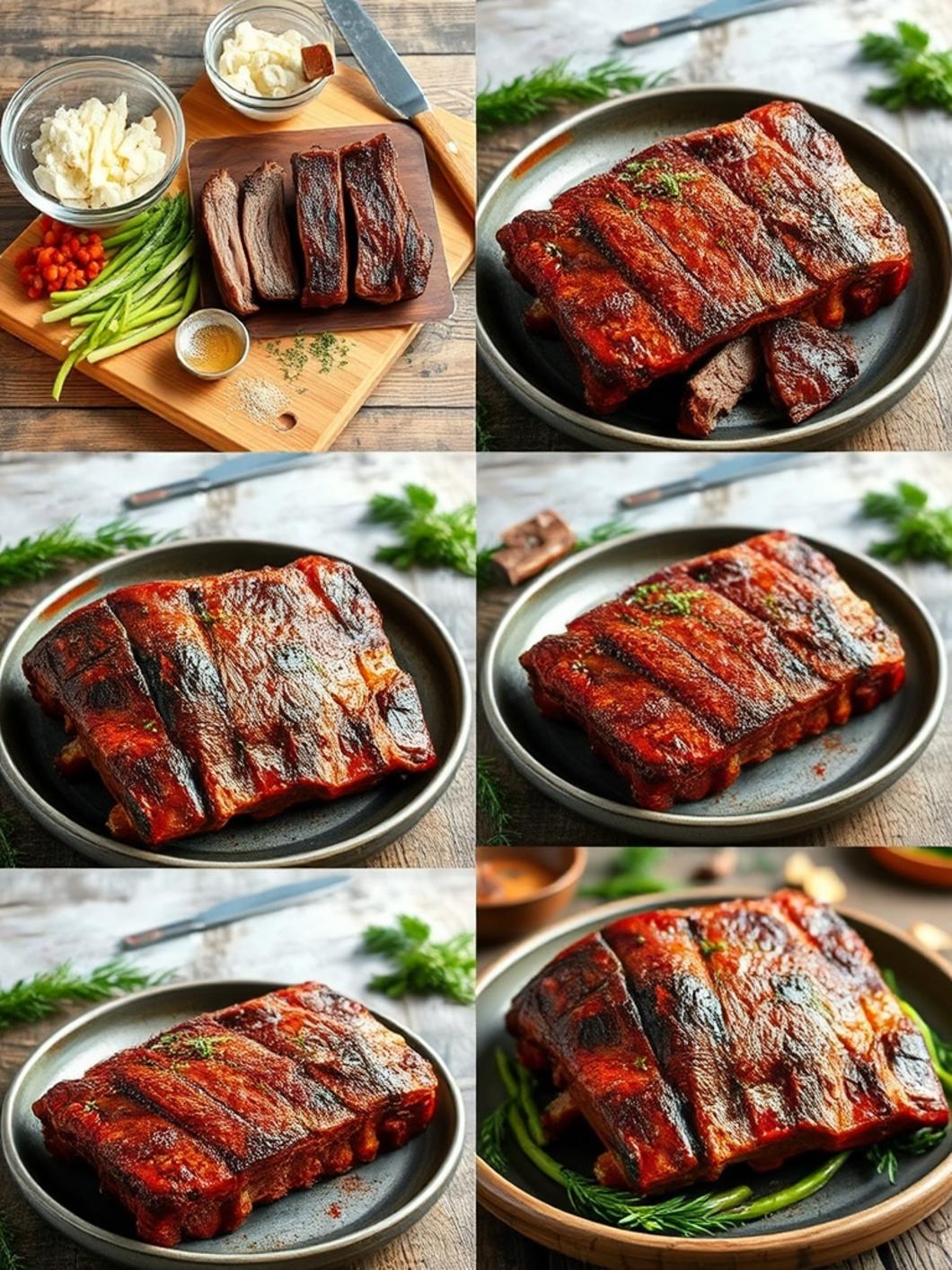
- Trim excess fat: Remove the thick membrane from the bone side using a butter knife (key for smoke absorption)
- Season aggressively: Apply your rub to all surfaces – the thick cut needs bold seasoning
- Smoke low and slow: Maintain 225°F using indirect heat for 4 hours
- Wrap strategically: Once internal temp hits 165°F, wrap in butcher paper with tallow or butter for a juicy beef ribs recipe finish
- Cook to tenderness: Continue cooking until internal temp reaches 203°F (probe should slide in like butter)
- Rest properly: Let the ribs sit wrapped in a cooler for 1–2 hours before slicing – crucial for smoked beef ribs perfection
Nutritional Benefits / Advantages
Beef ribs provide high-quality protein and essential nutrients like iron, zinc, and B vitamins. According to Healthline’s nutritional analysis, grass-fed beef contains higher levels of omega-3 fatty acids. Consuming beef ribs as part of a balanced diet supports muscle maintenance and immune function.
Tips, Alternative Methods, or Gardening Advice
No smoker? Try these adaptations:
• Oven method: Season ribs, brown in skillet, then bake covered with broth at 300°F for 3 hours
• Instant Pot shortcut: Pressure cook for 45 minutes then finish under broiler for bark
For authentic smoke flavor without a dedicated smoker, use smoking tubes with pellet grills as recommended by AmazingRibs.com.
Common Mistakes to Avoid
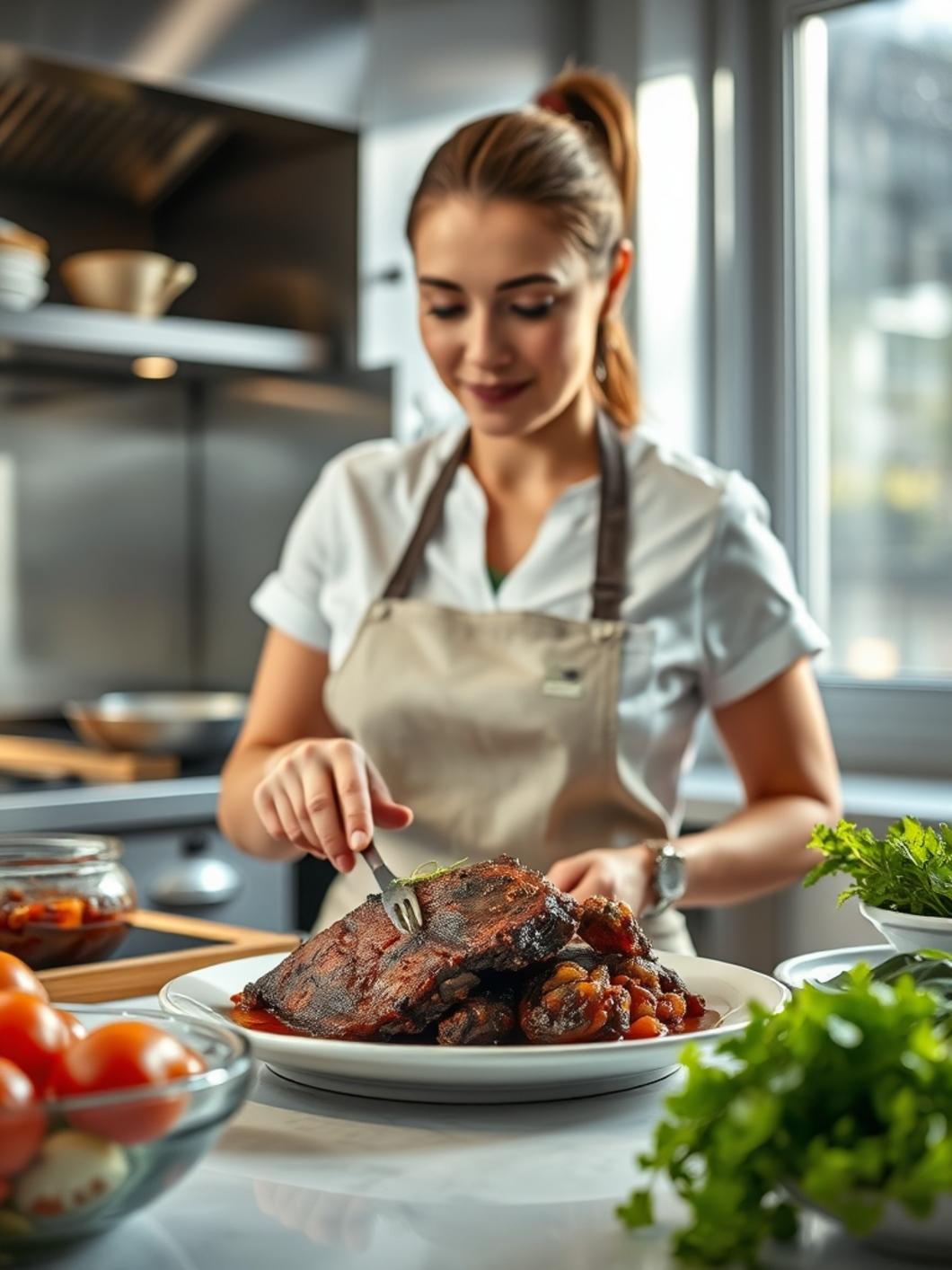
- Rushing the process: Undercooked ribs turn out tough – let temperature be your guide, not the clock
- Over-smoking: More than 3–4 wood chunks creates bitter flavor – use smoke sparingly after the first 3 hours
- Skipping the rest: Cutting too soon releases precious juices – patience pays in tenderness
- Wrong cut selection: Choose meaty plate ribs (bones 6–8) over thinner back ribs
Storage / Maintenance Tips
Short-term: Store cooked ribs wrapped in butcher paper in refrigerator for up to 4 days
Freezing: Vacuum seal portions and freeze for 3 months – reheat in 170°F oven with broth
Leftover ideas: Shred meat for tacos, add to baked beans, or make beef rib pho broth
Conclusion
Perfecting your beef ribs recipe creates unforgettable meals worth the time investment. Remember: quality meat, steady temperatures, and proper resting make all the difference for competition-worthy smoked beef ribs. Fire up your smoker this weekend and taste the magic of properly cooked beef ribs!
FAQs
Q: Can I use back ribs instead of plate ribs?
A: While possible, back ribs have less meat. Adjust cooking time down by 2–3 hours if using thinner cuts.
Q: What wood pairs best with beef?
A: Post oak and hickory are classics, but pecan or mesquite work well for stronger smoke profiles.
Q: Do I need to marinate beef ribs?
A: Not necessary – a good salt-based dry brine penetrates better than liquid marinades according to USDA food safety guidelines.
Q: Why did my ribs turn out tough?
A: Undercooking is the main culprit – beef ribs need to reach at least 200°F internal temp to break down collagen properly.
Q: Can I make these gluten-free?
A: Absolutely – just ensure your rub ingredients are gluten-free. Most basic spice blends meet this requirement naturally.
Share Your Experience!
There are no reviews yet. Be the first one to write one.