
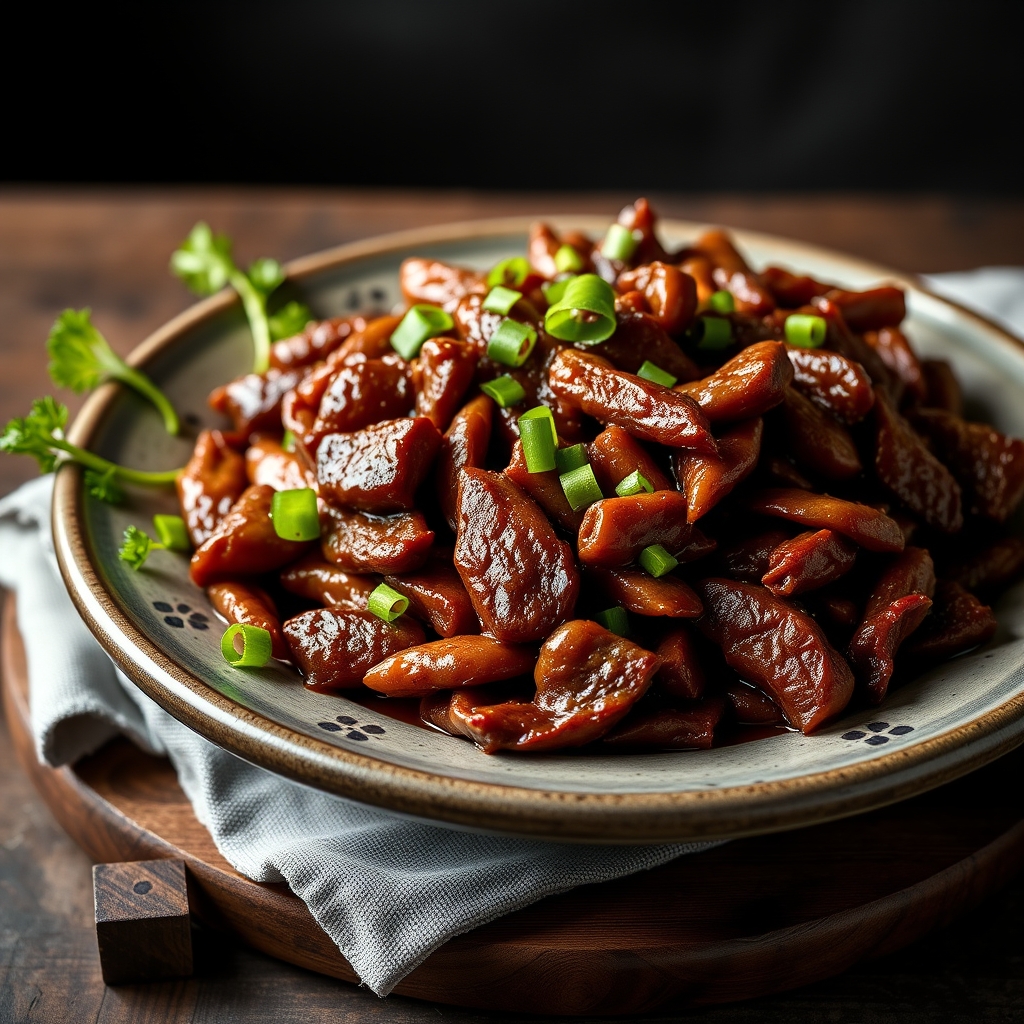
Master Chinese Beef Recipes: Tips for Tender, Flavorful Dishes
Have you ever wondered how your favorite Chinese restaurant achieves that perfectly tender beef, bathed in a rich, flavorful sauce? Or perhaps you’re eager to recreate the vibrant aromas and delectable tastes of authentic Chinese beef dishes in your own kitchen? Mastering Chinese beef recipes can transform your home cooking, opening up a world of culinary delight that is both satisfying and surprisingly accessible.
Table of Contents
Chinese cuisine, renowned for its diverse flavors, aromatic spices, and masterful techniques, holds a special place in the hearts and on the tables of food enthusiasts worldwide. Among its vast repertoire, Chinese beef recipes stand out as particular favorites, offering a tantalizing blend of savory, sweet, spicy, and umami notes. From the fiery kick of Sichuan dishes to the comforting familiarity of Cantonese stir-fries, there’s a Chinese beef dish to suit every palate.
This comprehensive guide delves into the world of Chinese beef recipes & tips, providing aspiring home cooks with the knowledge and confidence to recreate restaurant-quality meals. One will discover the essential ingredients, learn crucial cooking techniques, and explore popular recipes that embody the rich culinary heritage of China. With these expert tips, anyone can elevate their cooking skills and bring the authentic taste of Chinese beef to their dinner table.
The Allure of Chinese Beef Cuisine
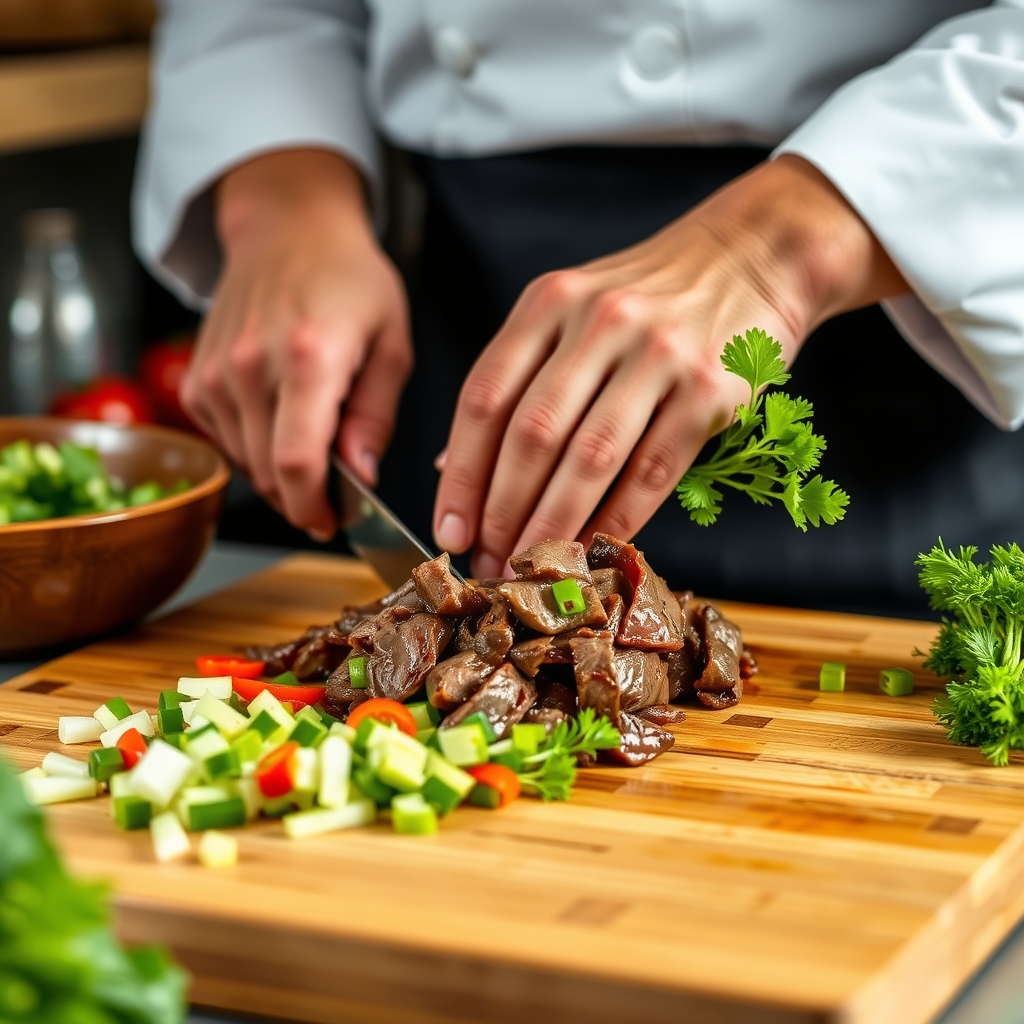
The appeal of Chinese beef dishes lies in their exquisite balance and textural contrast. Unlike Western cooking, where large cuts of beef are often roasted or grilled, Chinese cooking frequently features thinly sliced beef, quickly cooked to ensure tenderness and maximum flavor absorption. This approach allows the beef to meld seamlessly with an array of vegetables, aromatics, and complex sauces, creating a harmonious and satisfying dish. The versatility of beef in Chinese cooking means it can be stir-fried, braised, stewed, or even deep-fried, each method yielding a unique and delightful experience. Exploring Chinese beef recipes & tips is an exciting journey into a world of diverse culinary traditions.
Mastering the Essentials: Key Ingredients and Pantry Staples
To truly excel at preparing Chinese beef recipes, a well-stocked pantry is paramount. These foundational ingredients contribute to the distinctive flavors and textures that define Chinese cuisine.
- Soy Sauce: Both light (for saltiness and color) and dark (for deeper color and richer flavor) soy sauces are essential.
- Oyster Sauce: A thick, savory, slightly sweet sauce made from oyster extract, it adds incredible umami depth to many beef dishes.
- Shaoxing Wine: This fermented rice wine is crucial for marinades and sauces, adding a distinctive aroma and tenderizing effect. Do not substitute with dry sherry if possible, as Shaoxing wine has a unique flavor profile.
- Sesame Oil: Used sparingly as a finishing oil, its nutty aroma provides a fragrant touch.
- Cornstarch: An indispensable thickener for sauces and a key component in velveting beef.
- Ginger and Garlic: The aromatic backbone of almost all Chinese savory dishes.
- Chili Bean Paste (Doubanjiang): Especially important for Sichuan-style spicy beef dishes, offering a fermented, savory, and spicy kick.
- White Pepper: Often preferred over black pepper in Chinese cooking for its distinct, subtle heat.
- Chili Oil: For adding heat and a vibrant red hue.
- Rice Vinegar: Adds a touch of acidity and brightness to cut through richness.
- Sugar: Balances savory and spicy flavors, often used in small amounts.
Having these staples on hand will ensure one is always ready to tackle a new Chinese beef recipe with confidence.

Unlocking Tenderness: Essential Techniques for Chinese Beef
The secret to the melt-in-your-mouth beef found in Chinese restaurants lies not just in the ingredients, but in specific preparation techniques. Mastering these will elevate any home-cooked Chinese beef dish.
The Art of Slicing Beef
Proper slicing is fundamental. Beef for stir-fries should be sliced thinly, against the grain. Slicing against the grain shortens the muscle fibers, making the beef more tender. For most stir-fries, slices should be about 1/8 to 1/4 inch thick. For specific dishes like Beef Chow Fun, wider, flatter slices might be preferred. A partially frozen piece of beef is often easier to slice thinly and uniformly.
Velveting: The Secret to Silky Beef
Velveting is a classic Chinese technique that ensures beef remains incredibly tender and moist during high-heat cooking. It involves coating sliced beef in a marinade, typically containing cornstarch, Shaoxing wine, soy sauce, and sometimes egg white or baking soda.
- Cornstarch: Creates a protective layer that locks in moisture and prevents the beef from drying out.
- Shaoxing Wine & Soy Sauce: Add flavor.
- Baking Soda (optional, small amount): Helps to break down muscle fibers further, enhancing tenderness.
- Egg White (optional): Contributes to the silky texture.
After marinating, the beef is quickly blanched in hot oil or water (the “velveting” step) before being added to the stir-fry. This pre-cooking sets the coating and ensures the beef cooks evenly and remains succulent. This technique is a game-changer for many Chinese beef recipes.
Mastering the Wok and Stir-Frying
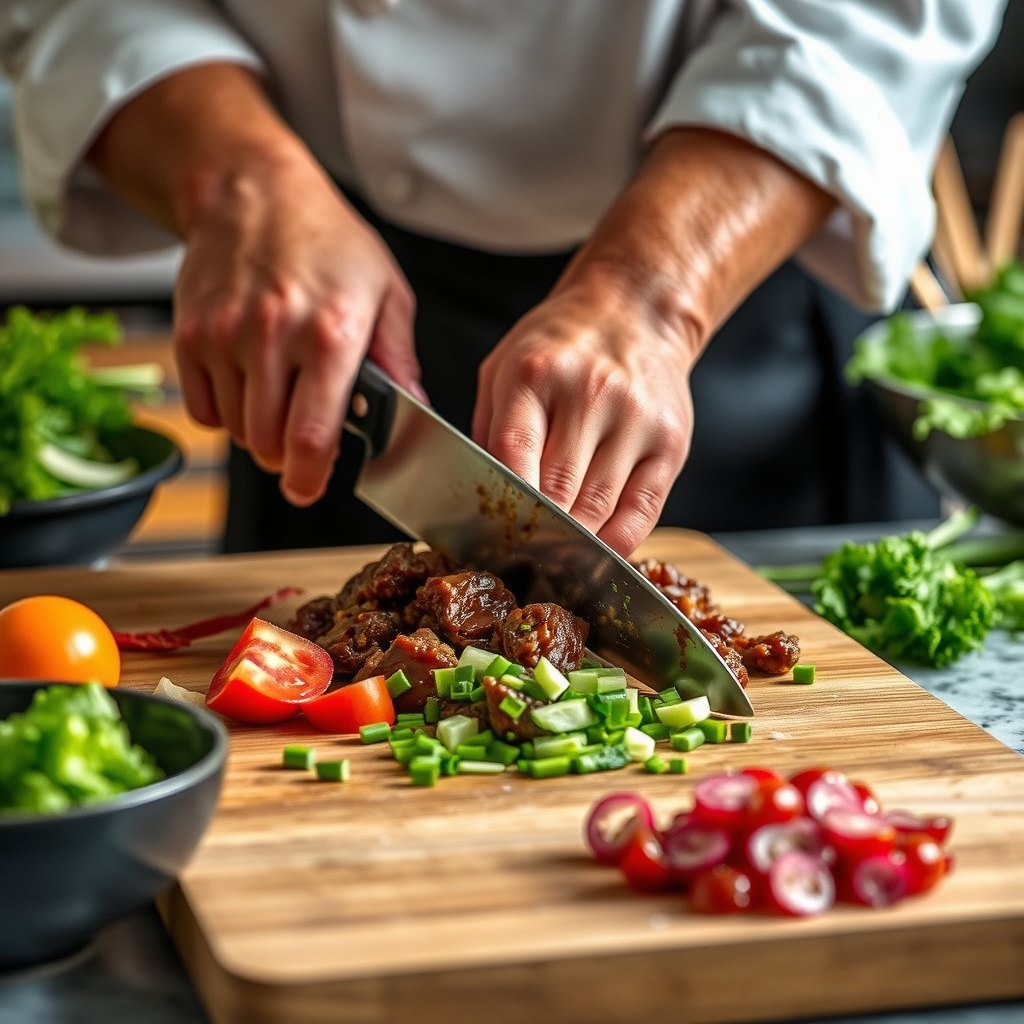
The wok is the quintessential tool for Chinese cooking. Its unique shape allows for even heat distribution and efficient stir-frying.
- High Heat: Stir-frying requires high heat to quickly cook ingredients, creating a “wok hei” (breath of the wok) – a smoky, caramelized flavor.
- Preheating: Always preheat the wok until it’s smoking before adding oil. This creates a non-stick surface.
- Small Batches: Avoid overcrowding the wok. Cook beef in batches if necessary to maintain high heat and achieve proper searing, rather than steaming.
- Constant Motion: Keep ingredients moving to ensure even cooking and prevent burning.
Even without a traditional wok burner, a large cast-iron skillet or a heavy-bottomed pan can achieve good results, provided one manages heat effectively.
Iconic Chinese Beef Recipes to Master
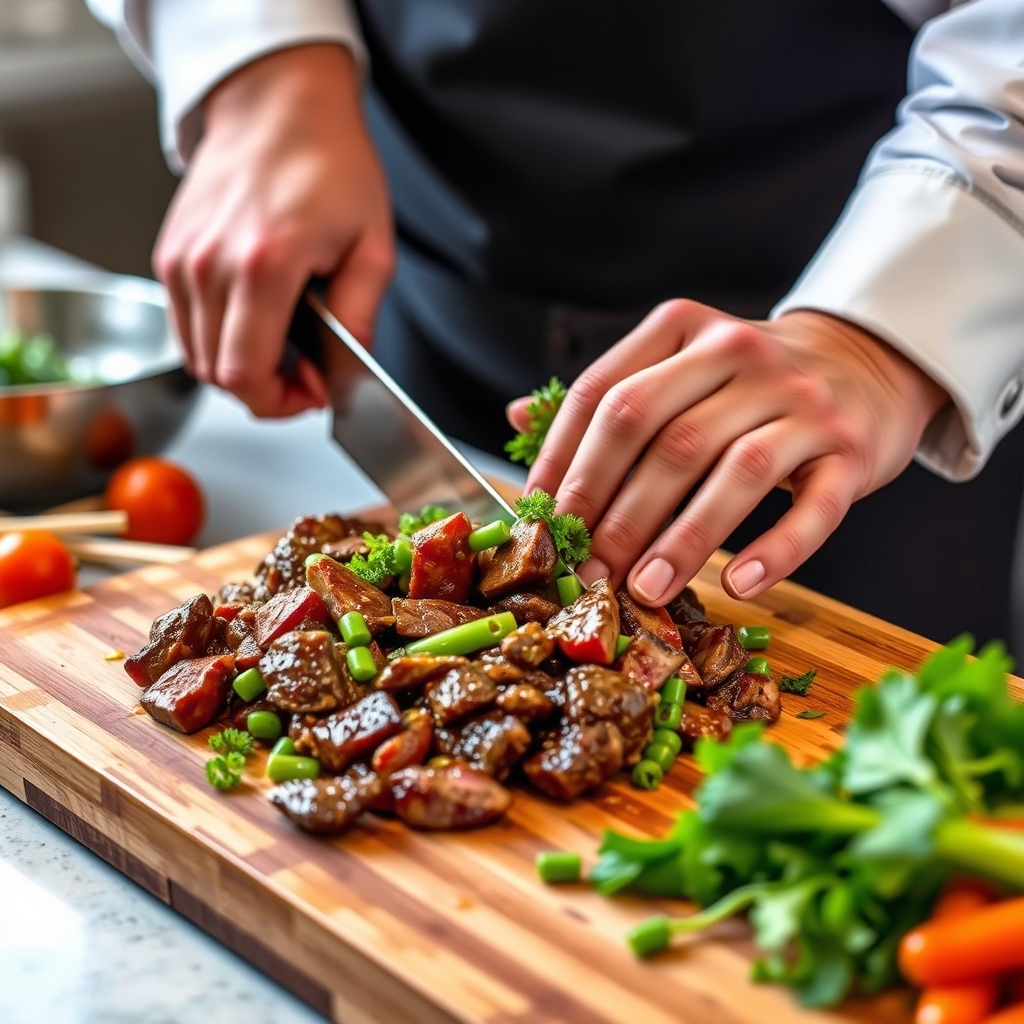
With the foundational techniques and ingredients understood, it’s time to explore some of the most beloved Chinese beef recipes. Each offers a unique flavor profile and a chance to practice the skills learned.
Mongolian Beef
A popular dish in Chinese-American restaurants, Mongolian Beef is characterized by its sweet and savory sauce and tender, crispy beef. While its name might suggest Mongolian origins, it’s more accurately a creation of Chinese-American cuisine.
- Key Features: Thinly sliced flank or sirloin beef, often velveting for tenderness, stir-fried with scallions in a glossy, dark sauce made from soy sauce, brown sugar, and ginger.
- Preparation Tip: Frying the beef until slightly crispy before adding the sauce enhances its texture.
Beef with Broccoli
A classic and comforting dish, Beef with Broccoli is a staple in many Chinese restaurants. It’s a fantastic entry point into Chinese beef recipes for beginners due to its relatively simple ingredients and straightforward preparation.
- Key Features: Tender beef slices and crisp-tender broccoli florets coated in a savory brown sauce.
- Preparation Tip: Blanching the broccoli briefly before stir-frying ensures it retains its vibrant color and slight crunch. The sauce typically includes soy sauce, oyster sauce, Shaoxing wine, sugar, and cornstarch.
Sichuan Water-Boiled Beef (Shui Zhu Niu Rou)
For those who appreciate a fiery kick, Sichuan Water-Boiled Beef is an absolute must-try. This dish is famous for its intense mala (numbing and spicy) flavor, derived from Sichuan peppercorns and dried chilies.
- Key Features: Velvety beef slices cooked in a fragrant, spicy broth, often served over a bed of vegetables, and topped with a generous pour of hot oil infused with chilies and Sichuan peppercorns.
- Preparation Tip: The quality of Sichuan peppercorns and chili bean paste (doubanjiang) is crucial for achieving authentic flavor. The “water-boiled” aspect refers to the method of poaching the beef in the seasoned broth, not boiling it blandly. This is a more advanced but highly rewarding Chinese beef recipe. For more on authentic Sichuan cooking, one might consult resources like The Woks of Life.
Cumin Beef (Zi Ran Niu Rou)
A flavorful dish with influences from Northwestern Chinese cuisine, Cumin Beef offers a distinct aromatic profile. It’s less common in traditional Cantonese-style restaurants but is a favorite in northern Chinese eateries.
- Key Features: Thinly sliced beef stir-fried with copious amounts of cumin, dried chilies, and often cilantro. The flavor is robust, earthy, and spicy.
- Preparation Tip: Toasting the cumin seeds briefly before grinding them or using whole toasted cumin seeds can intensify their flavor. This dish often uses less sauce than other stir-fries, allowing the cumin to shine.
Orange Beef
Similar in concept to Orange Chicken, Orange Beef features crispy fried beef coated in a sweet, tangy, and slightly spicy orange-flavored sauce. It’s a popular Chinese-American dish.
- Key Features: Deep-fried beef pieces (often coated in a batter for extra crispiness) tossed in a vibrant sauce made with orange zest, orange juice, soy sauce, vinegar, sugar, and dried chilies.
- Preparation Tip: Using fresh orange zest provides the best citrus aroma. Ensuring the beef is crispy before adding the sauce is key to preventing it from becoming soggy.
Beef Chow Fun
A classic Cantonese dish, Beef Chow Fun consists of wide, flat rice noodles (ho fun) stir-fried with beef, bean sprouts, and scallions in a savory soy sauce-based seasoning. It’s prized for its “wok hei” and the perfect texture of the noodles and beef.
- Key Features: Chewy ho fun noodles, tender beef, and a distinct smoky flavor from high-heat stir-frying.
- Preparation Tip: Separate the ho fun noodles carefully before cooking to prevent them from breaking. A very hot wok is essential for achieving the desired “wok hei” and preventing the noodles from sticking. For mastering stir-fried noodle dishes, a good understanding of wok technique is invaluable. One can explore advanced stir-fry techniques from culinary experts like J. Kenji López-Alt for further insights.
Beyond the Basics: Advanced Tips for Perfect Chinese Beef Dishes
Once comfortable with the fundamental Chinese beef recipes & tips, one can refine their skills further with these advanced insights.
Crafting the Perfect Sauce
A great sauce is the soul of any Chinese stir-fry.
- Pre-mixing: Always mix the sauce ingredients in a separate bowl before adding them to the wok. This ensures even distribution and prevents overcooking individual components.
- Balance: Taste the sauce before adding it to the wok. Adjust for sweetness, saltiness, and acidity. A good sauce should have a harmonious balance.
- Thickening: Add cornstarch slurry (cornstarch mixed with a small amount of cold water) at the very end, stirring constantly until the desired consistency is reached. Avoid adding too much at once.
Balancing Flavors
Chinese cuisine is all about balance: sweet, sour, salty, bitter, and umami.
- Acidity: A splash of rice vinegar or a squeeze of lime can brighten a rich sauce.
- Sweetness: A pinch of sugar can round out savory flavors and balance spiciness.
- Spice: Adjust chilies and peppers to personal preference, but don’t shy away from a little heat to add complexity.
Ingredient Quality Matters
While many Chinese dishes rely on pantry staples, the quality of fresh ingredients significantly impacts the final dish.
- Beef: Opt for fresh, good-quality cuts like flank steak, sirloin, or tenderloin for best results.
- Vegetables: Use crisp, fresh vegetables. They should be vibrant in color and firm to the touch.
Heat Management
Consistent and appropriate heat is crucial.
- Hot and Fast: For stir-fries, maintain high heat throughout.
- Low and Slow: For braised dishes, gentle simmering allows flavors to meld and beef to become fork-tender. This distinction is vital when approaching different Chinese beef recipes.
Pairing Your Chinese Beef Creations
Most Chinese beef dishes are best served immediately with plain steamed white rice, which acts as a perfect canvas to absorb the flavorful sauces.
- White Rice: The classic accompaniment.
- Noodles: Some dishes, like Beef Chow Fun, are noodle-based.
- Simple Sides: A light vegetable side dish, such as blanched gai lan (Chinese broccoli) with oyster sauce or a simple cucumber salad, can complement the richness of the beef.
- Beverages: Green tea, light lagers, or even a crisp white wine can pair well with Chinese beef dishes.
Conclusion: Your Journey to Culinary Excellence
Embarking on the journey to master Chinese beef recipes & tips is a rewarding culinary adventure. By understanding the essential ingredients, embracing key techniques like velveting and proper stir-frying, and exploring iconic dishes, one can confidently recreate the authentic flavors of China in their own home. Remember, practice makes perfect, and each dish prepared brings one closer to achieving culinary excellence. So, gather the ingredients, fire up the wok, and prepare to delight family and friends with exquisite homemade Chinese beef dishes.
Frequently Asked Questions
What is the secret to tender beef in Chinese cooking?
The secret lies primarily in techniques like ‘velveting,’ where beef is marinated with baking soda, cornstarch, soy sauce, and sometimes egg white, then quickly blanched or stir-fried. Proper slicing against the grain also contributes significantly to tenderness.
What are some essential ingredients for Chinese beef recipes?
Key ingredients include soy sauce (light and dark), Shaoxing wine, sesame oil, cornstarch, ginger, garlic, green onions, and various chili pastes or oils depending on the dish. Fresh, quality beef is also crucial for the best results.
What is velveting beef and why is it important?
Velveting is a traditional Chinese cooking technique that coats thinly sliced beef (or other meats) in a marinade, often containing cornstarch and baking soda. It protects the meat from overcooking, locks in moisture, and results in an incredibly tender, silky texture, characteristic of restaurant-style Chinese beef.
What are some popular Chinese beef dishes I can make at home?
Popular dishes include Mongolian Beef, Beef with Broccoli, Sichuan Water-Boiled Beef (Shui Zhu Niu Rou), Cumin Beef, Orange Beef, and Beef Chow Fun. This guide provides tips and guidance for mastering these and more, helping you recreate authentic flavors.
How can I achieve restaurant-quality flavor in my homemade Chinese beef dishes?
To achieve restaurant-quality flavor, focus on balancing flavors (sweet, savory, spicy, umami), using high-quality fresh ingredients, mastering stir-frying techniques with a hot wok, and crafting well-balanced sauces. Proper heat management and quick cooking are also key to preventing overcooking and maximizing flavor.
Share Your Experience!
There are no reviews yet. Be the first one to write one.