
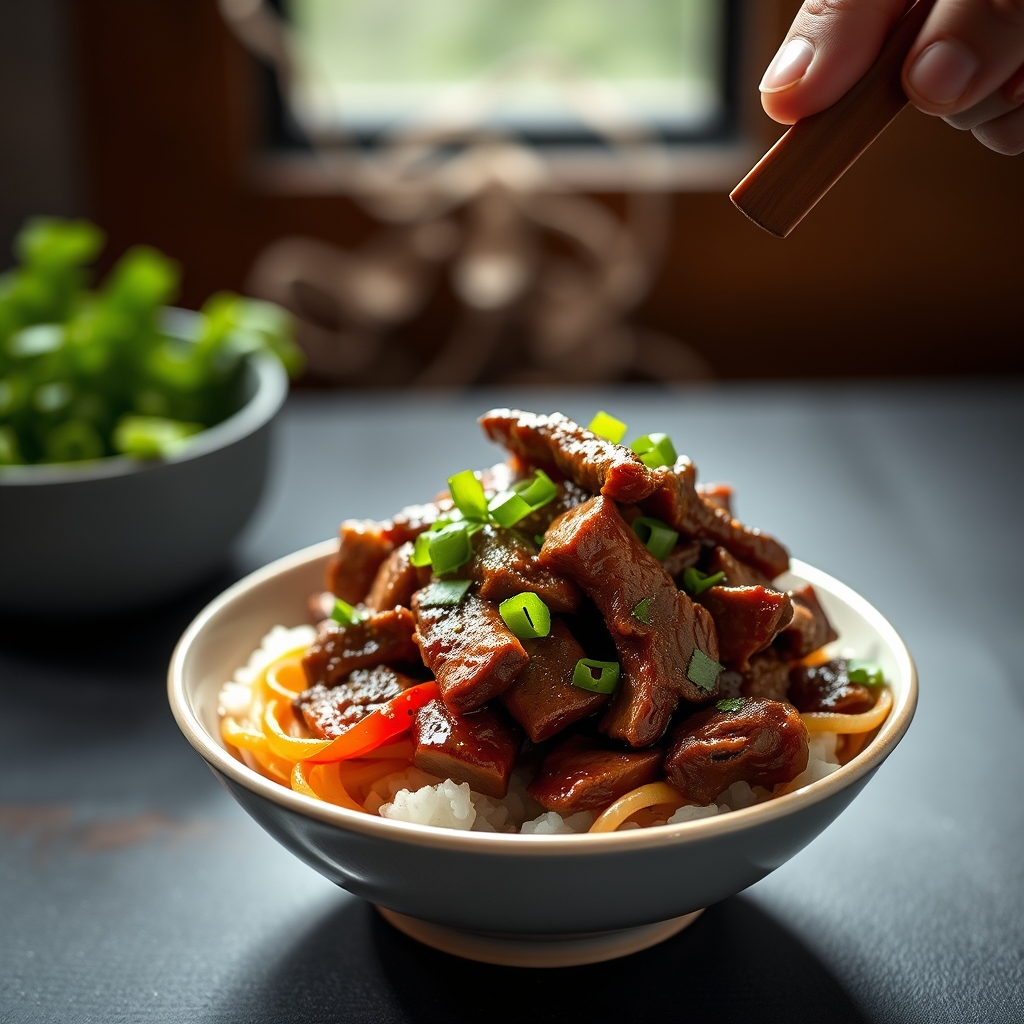
Authentic Mongolian Beef: Restaurant-Quality Recipe at Home 2025
Have you ever savored the sweet, savory, and slightly spicy perfection of Mongolian Beef and wondered how to recreate that restaurant-quality magic at home?
Authentic Mongolian Beef, with its irresistible combination of tender slices of beef bathed in a rich, glossy, and deeply flavorful sauce, has become a beloved staple in Chinese-American cuisine. Despite its name, this iconic dish is not actually from Mongolia but rather a brilliant culinary invention from Taiwan, later popularized across Chinese restaurants in the United States. Its appeal lies in the exquisite balance of sweet and savory notes, often with a subtle hint of ginger and garlic, and the signature melt-in-your-mouth texture of the beef.
Table of Contents
For many home cooks, the quest to replicate an authentic Mongolian Beef recipe can seem daunting. The secret to its remarkable tenderness and the perfect sheen of its sauce often feels elusive. This comprehensive guide will demystify the process, providing a detailed, step-by-step authentic Mongolian Beef recipe that promises to deliver results comparable to your favorite takeout, right in your own kitchen. Prepare to unlock the secrets to achieving that perfect balance of flavor and texture that defines truly authentic Mongolian Beef.
The Misnomer: Is it Really Mongolian?
One of the most common misconceptions surrounding this delectable dish is its supposed Mongolian origin. The truth, however, is far more complex and rooted in the fascinating evolution of Chinese-American cuisine. Authentic Mongolian Beef, as it is known and loved today, bears little resemblance to traditional Mongolian fare, which typically features lamb or goat, often grilled or boiled, with minimal sauces and spices.
The term “Mongolian” in the context of this beef dish likely emerged from a marketing strategy rather than a geographical one. It is widely believed that the dish originated in Taiwan during the 1950s, evolving from a style of barbecue known as “Mongolian Barbecue” (or Mongolian BBQ). This style of cooking, also not genuinely Mongolian, involved cooking thinly sliced meats and vegetables on large, round, flat griddles, allowing diners to choose their ingredients. The “Mongolian” label was likely used to evoke an exotic, hearty, and robust image, appealing to diners seeking something distinct.
Over time, this concept of “Mongolian” cooking transformed into specific dishes, and one of the most successful adaptations was the stir-fried beef dish we now recognize as Mongolian Beef. It quickly spread to Chinese restaurants in the United States, where it became a foundational dish in the emerging Chinese-American culinary landscape. Therefore, while the name might suggest vast plains and nomadic traditions, the authentic Mongolian Beef recipe is a testament to the innovative spirit of Chinese culinary traditions adapting and thriving in new cultural contexts. Understanding its true origins helps appreciate the dish not as an ancient Mongolian delicacy, but as a delicious and enduring example of cross-cultural culinary creativity.
Key Components of an Authentic-Tasting Mongolian Beef
To master an authentic Mongolian Beef recipe, one must understand its fundamental building blocks. Each component plays a crucial role in achieving the dish’s signature flavor profile and unparalleled texture.
1. The Beef: Selection and Preparation
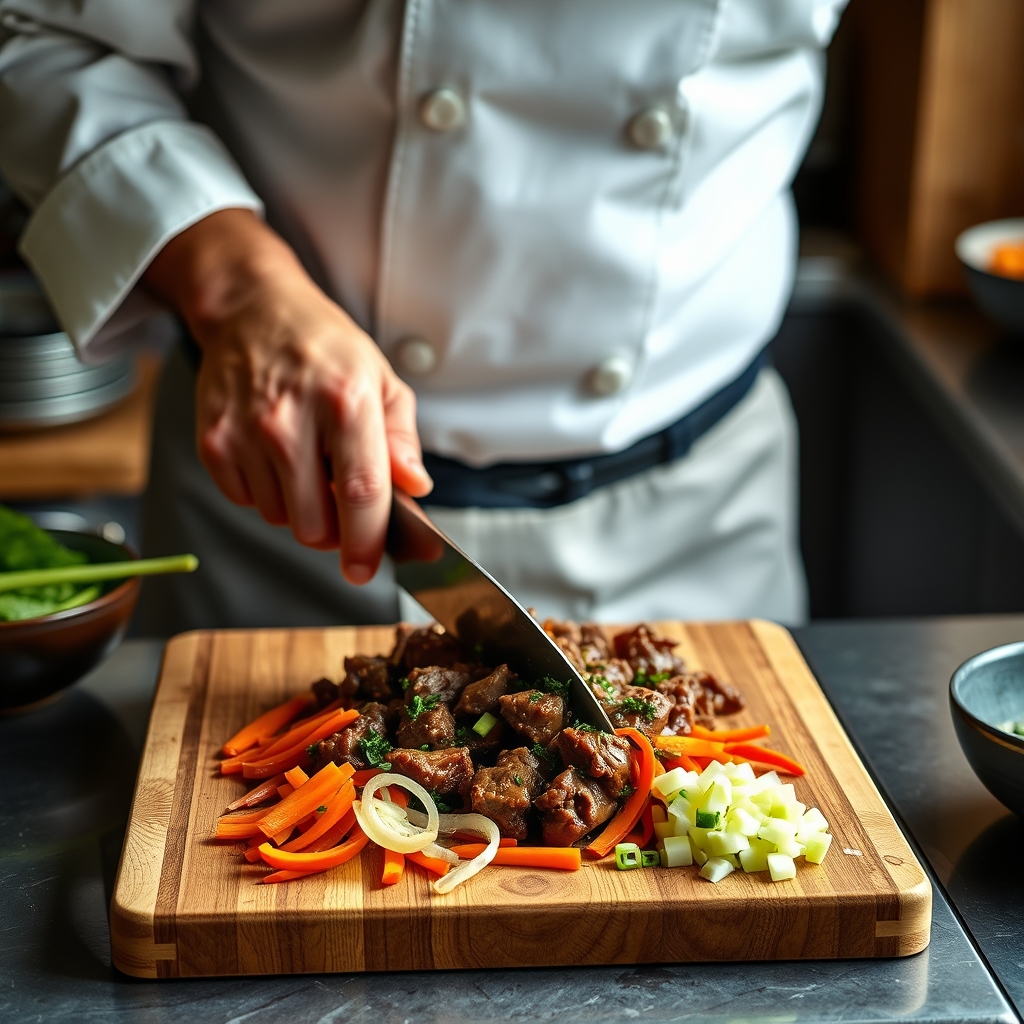
The star of the show is, of course, the beef. For the best results, one should opt for cuts that are relatively lean but still possess good flavor and can be sliced thinly against the grain.
- Flank Steak: This is a popular choice due to its robust beefy flavor and fibrous texture that, when sliced correctly and velveted, becomes incredibly tender.
- Sirloin Steak: A more economical option that also works well, offering a good balance of flavor and tenderness.
- Skirt Steak: Similar to flank, it has a strong beefy flavor and benefits greatly from thin slicing and velveting.
Regardless of the cut, the key is to slice the beef very thinly, against the grain. This shortens the muscle fibers, making the beef easier to chew and more tender.
2. The Velveting Technique
This is arguably the most critical step for achieving the signature tender, silky texture of restaurant-style Mongolian Beef. Velveting involves coating the sliced beef in a mixture (typically cornstarch, soy sauce, and sometimes baking soda or egg white) before stir-frying. This coating protects the meat from the high heat of the wok, locks in moisture, and creates a delicate, almost velvety texture. We will delve deeper into this technique shortly.
3. The Sauce: The Heart of the Flavor
The sauce is where the authentic Mongolian Beef recipe truly shines. It’s a harmonious blend of sweet, savory, and umami flavors, often with a slight tang and a hint of spice.
- Soy Sauce: Provides the foundational savory and umami notes. Light or regular soy sauce is preferred over dark soy sauce, which can be too intense in color and flavor.
- Brown Sugar: Essential for the characteristic sweetness and contributes to the sauce’s glossy finish. The molasses in brown sugar also adds a subtle depth of flavor.
- Water or Broth: Used to thin the sauce to the right consistency and ensure it coats the beef evenly. Chicken or beef broth can add an extra layer of flavor.
- Cornstarch: A crucial thickening agent that gives the sauce its desirable glossy, viscous texture.
- Rice Vinegar (Optional): A small amount can add a bright, subtle tang that balances the sweetness.
- Sesame Oil (Optional): A dash at the end adds a nutty aroma and flavor.
4. Aromatics
Fresh aromatics are indispensable for building complex flavors in an authentic Mongolian Beef recipe.
- Fresh Ginger: Adds a pungent, zesty, and slightly spicy warmth.
- Fresh Garlic: Provides a robust, savory base.
- Green Onions (Scallions): Used both in the cooking process for flavor and as a garnish for a fresh, mild oniony bite and vibrant color.
5. Oil for Frying
A neutral oil with a high smoke point is essential for stir-frying. Vegetable oil, canola oil, or peanut oil are excellent choices. They allow the beef to brown without burning and contribute to the overall texture.
By understanding and carefully preparing each of these components, one lays the groundwork for creating an authentic Mongolian Beef recipe that rivals any restaurant dish.
Mastering the Velveting Technique for Tender Beef
The secret to the unbelievably tender beef in an authentic Mongolian Beef recipe lies in a traditional Chinese culinary technique called “velveting.” This method is a game-changer for stir-fries, ensuring that even leaner cuts of beef remain moist, tender, and silky-smooth, even when cooked at high temperatures. One might wonder how such a simple step can make such a profound difference.
The principle behind velveting is to create a protective barrier around each slice of meat, locking in moisture and preventing it from becoming tough and dry during the rapid cooking process of stir-frying. There are several variations of velveting, but the most common for home cooking involves a combination of cornstarch, soy sauce, and sometimes a leavening agent like baking soda or an emulsifier like egg white.
Here’s a detailed breakdown of how to velvet beef for your authentic Mongolian Beef recipe:
Step 1: Prepare the Beef
- Slice Thinly: Start by slicing your chosen beef cut (flank, sirloin, or skirt steak) very thinly, against the grain. Aim for slices about 1/8 to 1/4 inch thick. This is crucial for both tenderness and quick cooking.
- Pat Dry: Use paper towels to pat the beef slices thoroughly dry. Excess moisture can dilute the velveting mixture and hinder proper coating.
Step 2: The Velveting Mixture
The basic velveting mixture typically includes:
- Cornstarch: This is the primary component. It creates a protective coating and helps tenderize the meat. For every pound of beef, one might use 1-2 tablespoons of cornstarch.
- Soy Sauce: Adds flavor and moisture. About 1 tablespoon per pound of beef.
- Water or Rice Wine (Shaoxing wine): Helps create a slurry and adds moisture. About 1-2 tablespoons per pound of beef.
- Baking Soda (Optional but Recommended): A small amount of baking soda (about 1/2 teaspoon per pound of beef) is a powerful tenderizer. It works by raising the pH of the meat, which loosens muscle fibers. However, use it sparingly, as too much can give the beef an unpleasant soapy taste.
- Egg White (Optional): Some recipes include an egg white, which acts as an emulsifier and helps create an even thicker, more luxurious “velvet” coating.
Step 3: Combine and Marinate
- In a medium bowl, combine the sliced beef with the velveting ingredients. Use your hands to thoroughly mix, ensuring every piece of beef is evenly coated. It should look slightly pasty and sticky.
- Let the beef marinate for at least 15-30 minutes at room temperature. For even better results, one can refrigerate it for up to an hour. This allows the tenderizers to work their magic and the flavors to meld.
Step 4: Cooking the Velveted Beef
Once marinated, the beef is ready for cooking. There are two primary methods:
- Shallow Frying/Searing: Heat 1-2 tablespoons of neutral oil in a wok or large skillet over high heat. Add the beef in a single layer, ensuring not to overcrowd the pan. Cook for 1-2 minutes per side until lightly browned and cooked through. Remove the beef from the pan and set aside.
- Blanching (Water or Oil): Some traditional Chinese recipes involve quickly blanching the velveted beef in hot water or oil. For home cooks, shallow frying is generally more practical and yields excellent results for an authentic Mongolian Beef recipe.
By mastering this velveting technique, one ensures that the beef in their authentic Mongolian Beef recipe will be incredibly tender, juicy, and have that desirable silky texture that elevates the entire dish. It’s a small step that makes a monumental difference.
Step-by-Step Recipe: Authentic Mongolian Beef at Home
Now that one understands the essential components and the critical velveting technique, it’s time to bring it all together with a comprehensive authentic Mongolian Beef recipe. This recipe is designed to deliver a restaurant-quality dish with minimal fuss, focusing on flavor, texture, and ease of preparation.
Yields: 4 servings
Prep time: 25 minutes (including marinating)
Cook time: 15 minutes
Ingredients:
For the Beef:
- 1.5 lbs flank steak, sirloin, or skirt steak, thinly sliced against the grain (1/8 to 1/4 inch thick)
- 1.5 tbsp cornstarch
- 1 tbsp soy sauce (light/regular)
- 1 tbsp Shaoxing wine (or dry sherry/water)
- 1/2 tsp baking soda (optional, but highly recommended for tenderness)
- 2 tbsp neutral oil (for stir-frying beef)
For the Mongolian Sauce:
- 1/2 cup water or low-sodium chicken/beef broth
- 1/2 cup light/regular soy sauce
- 1/2 cup packed light brown sugar
- 2 tbsp cornstarch
- 1 tbsp rice vinegar (optional, for brightness)
- 1 tsp dark sesame oil (optional, for aroma)
For the Aromatics and Finish:
- 2 tbsp neutral oil (for stir-frying aromatics)
- 2 tbsp fresh ginger, minced (about a 2-inch piece)
- 1 tbsp fresh garlic, minced (about 3-4 cloves)
- 1 bunch green onions (scallions), white and light green parts sliced into 1-inch pieces, green tops reserved for garnish
Equipment Needed:
- Large wok or large skillet
- Mixing bowls
- Whisk
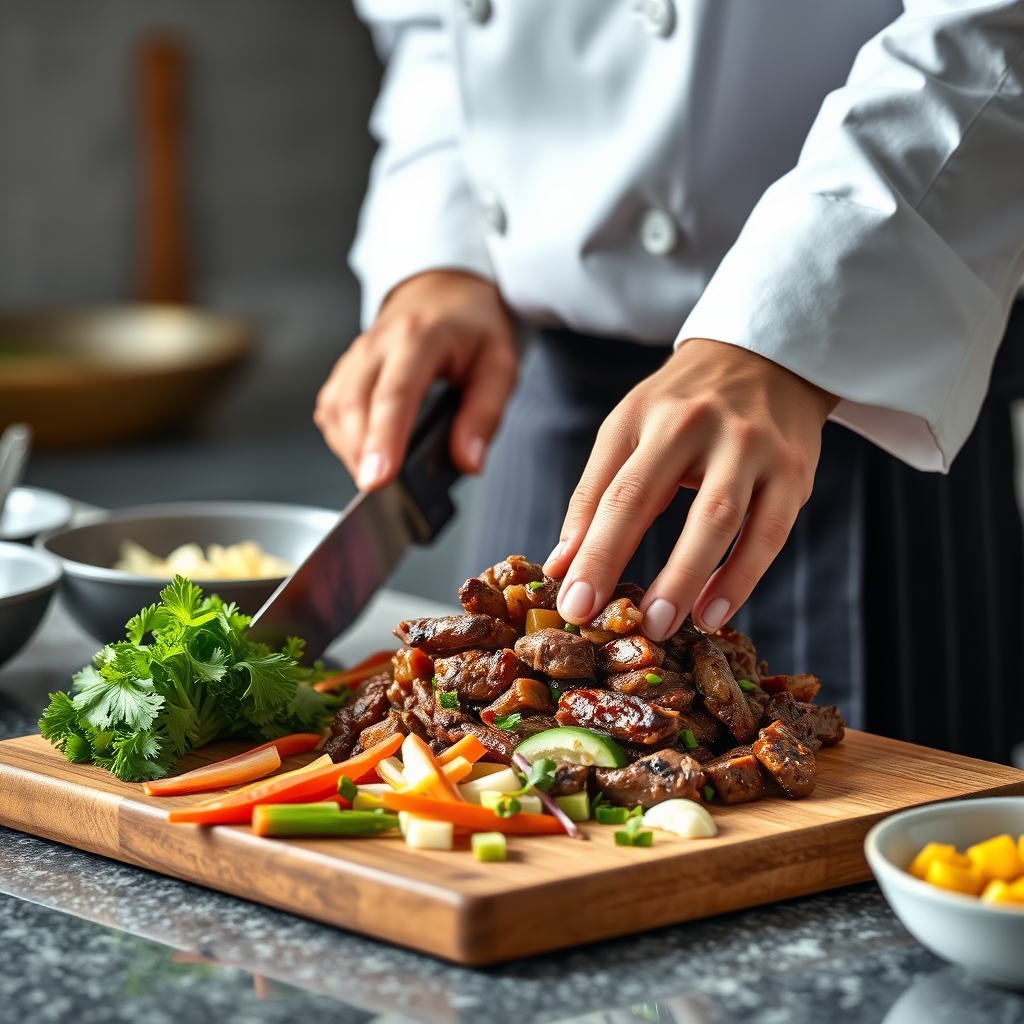
- Sharp knife and cutting board
- Spatula or cooking spoon
Instructions:
Step 1: Prepare and Velvet the Beef
1. Slice the Beef: Ensure the beef is sliced very thinly, against the grain. Pat dry with paper towels.
2. Velvet the Beef: In a medium bowl, combine the sliced beef with 1.5 tbsp cornstarch, 1 tbsp soy sauce, 1 tbsp Shaoxing wine (or water), and 1/2 tsp baking soda (if using). Mix thoroughly with your hands until every piece of beef is evenly coated and slightly sticky.
3. Marinate: Let the beef marinate at room temperature for at least 15-20 minutes while you prepare the sauce and aromatics.
Step 2: Prepare the Mongolian Sauce
1. In another medium bowl, whisk together the water/broth, 1/2 cup soy sauce, brown sugar, 2 tbsp cornstarch, and rice vinegar (if using). Whisk until the cornstarch is fully dissolved and the sugar is mostly dissolved.
2. Set the sauce aside.
Step 3: Prepare the Aromatics
1. Mince the fresh ginger and garlic.
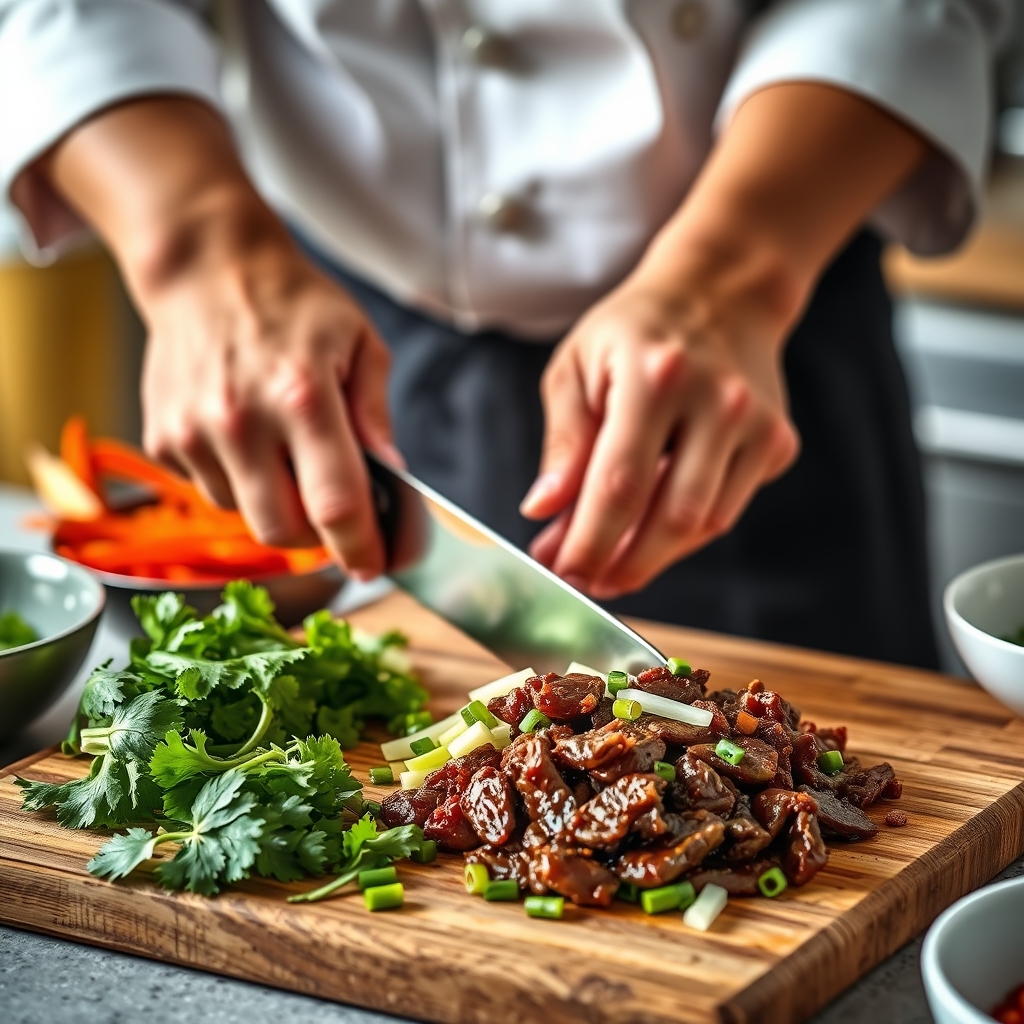
2. Slice the white and light green parts of the green onions into 1-inch pieces. Reserve the dark green tops for garnish, slicing them thinly.
Step 4: Cook the Beef
1. Heat 2 tbsp neutral oil in a large wok or skillet over high heat until shimmering.
2. Add half of the velveted beef to the hot oil in a single layer. Do not overcrowd the pan, as this will steam the beef instead of searing it.
3. Stir-fry for 1-2 minutes until lightly browned and cooked through. The beef cooks very quickly due to its thin slices and velveting.
4. Remove the cooked beef from the wok and set it aside in a clean bowl. Repeat with the remaining beef, adding more oil if necessary.
Step 5: Sauté the Aromatics
1. Reduce the heat to medium-high. If needed, add 2 tbsp fresh neutral oil to the wok.
2. Add the minced ginger and garlic to the wok. Stir-fry for about 30 seconds until fragrant, being careful not to burn them.
Step 6: Combine and Finish the Dish
1. Give the prepared Mongolian sauce a quick whisk again, as cornstarch tends to settle at the bottom.
2. Pour the sauce into the wok with the ginger and garlic. Bring the sauce to a simmer, stirring constantly. It will begin to thicken quickly as the cornstarch activates. Continue to stir until the sauce is glossy and coats the back of a spoon.
3. Return all the cooked beef to the wok. Add the 1-inch pieces of green onions.
4. Toss everything together, ensuring the beef and green onions are thoroughly coated with the thickened sauce. Cook for another 1-2 minutes, allowing the flavors to meld and the green onions to soften slightly.
5. Remove the wok from the heat. Drizzle with 1 tsp dark sesame oil (if using) and toss once more.
Step 7: Serve
1. Transfer the authentic Mongolian Beef to a serving platter.
2. Garnish generously with the reserved thinly sliced green onion tops.
3. Serve immediately with steamed white rice or noodles.
Enjoy your homemade authentic Mongolian Beef recipe – a truly satisfying and flavorful dish!
Tips for the Perfect Mongolian Beef
Achieving a consistently excellent authentic Mongolian Beef recipe at home requires attention to a few key details. These tips will help ensure your dish is as tender, flavorful, and perfectly sauced as any restaurant version.
1. Don’t Overcrowd the Pan: This is perhaps the most crucial tip for stir-frying. When cooking the beef, work in batches if necessary. Overcrowding the wok or skillet will lower the temperature of the pan, causing the beef to steam rather than sear. Steamed beef will be tough and gray, lacking the desirable browned edges and tender interior.
2. High Heat is Key: Stir-frying demands high heat. Ensure your wok or skillet is screaming hot before adding the oil and then the beef. This allows for quick searing, locking in juices and developing flavor through the Maillard reaction.
3. Slice Beef Against the Grain: As mentioned in the velveting section, slicing against the grain shortens the muscle fibers, making the beef much more tender and easier to chew. This is non-negotiable for a truly tender authentic Mongolian Beef.
4. Taste and Adjust the Sauce: Before adding the sauce to the wok, taste a small amount. Adjust the sweetness (more brown sugar), saltiness (more soy sauce), or tang (a little more rice vinegar) to your preference. Remember, it will thicken and concentrate slightly when cooked.
5. Use Fresh Aromatics: Fresh ginger and garlic make a significant difference in the depth of flavor. Avoid using powdered versions for this dish, as they lack the vibrant punch of fresh ingredients.
6. Prep Everything Ahead (Mise en Place): Stir-frying is a very fast cooking method. Once you start, there’s no time to chop or measure. Have all your ingredients—sliced beef, mixed sauce, minced aromatics, and sliced green onions—ready and within arm’s reach before you turn on the heat.
7. Consider a Wok: While a large skillet can work, a traditional wok is ideal for stir-frying. Its sloped sides allow for even heat distribution and easy tossing of ingredients, contributing to better texture and flavor development.
8. Don’t Overcook the Green Onions: The green onions added at the end should be cooked just until slightly softened but still retain some of their crispness and vibrant color. Overcooking them will make them mushy and dull.
9. Serve Immediately: Mongolian Beef is best enjoyed fresh off the wok. The sauce is at its glossy peak, and the beef is most tender.
By incorporating these tips into your cooking process, one can consistently create an authentic Mongolian Beef recipe that is bursting with flavor and boasts that coveted tender texture.
Variations and Customizations
While the classic authentic Mongolian Beef recipe is a masterpiece in itself, there’s always room for personalization and adapting the dish to suit individual preferences or dietary needs. Here are several ways one can customize this beloved stir-fry:
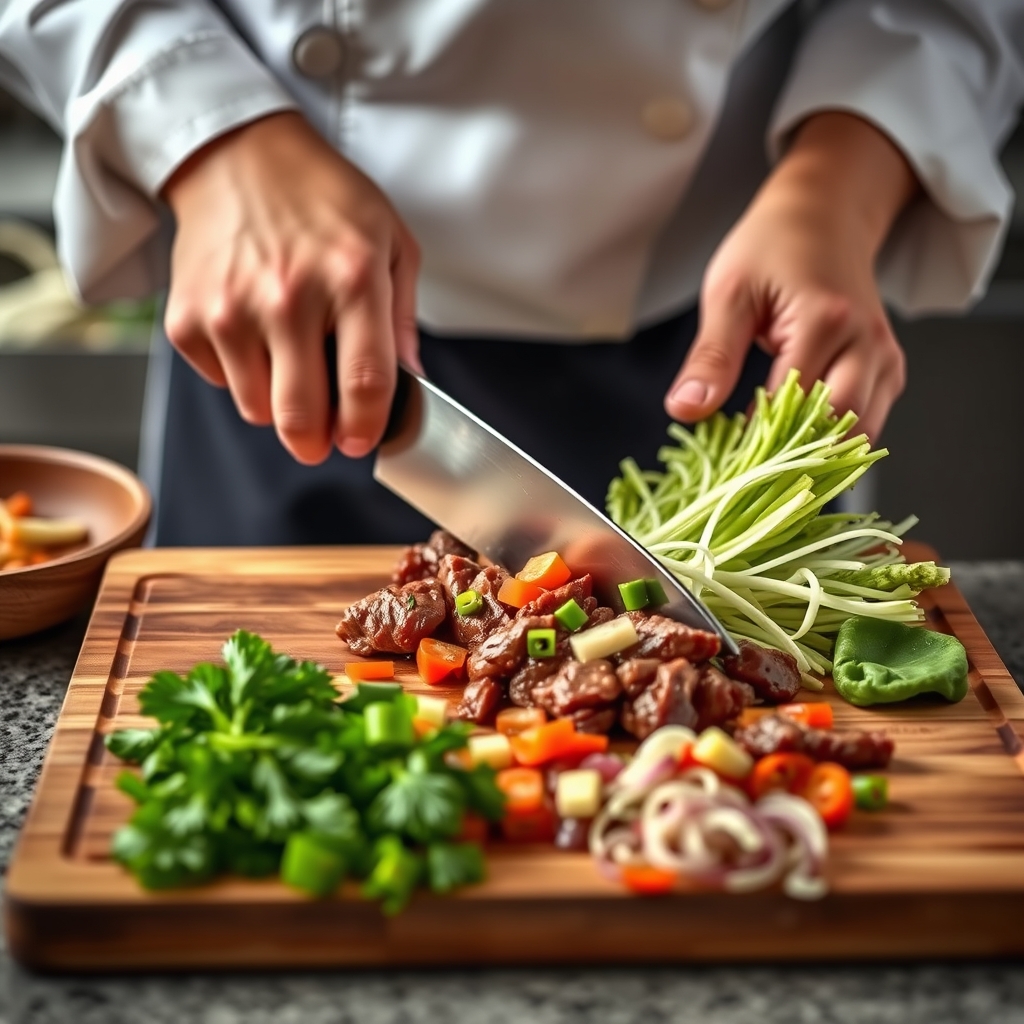
1. Adding Vegetables:
* Broccoli: Steamed or blanched broccoli florets are a popular addition, offering a delightful crunch and vibrant color. One can add them to the wok along with the beef at the very end to coat them in the sauce.
* Carrots: Thinly sliced carrots (julienned or coin-shaped) can add sweetness and texture. Add them with the ginger and garlic to soften slightly before the sauce.
* Bell Peppers: Sliced red, yellow, or green bell peppers introduce a fresh, slightly sweet flavor and a beautiful splash of color. Add them after the beef is cooked, just before the sauce, and stir-fry briefly.
* Snow Peas or Snap Peas: These add a crisp, sweet element. Add them towards the end of cooking, along with the green onions.
2. Spicy Mongolian Beef:
* For those who enjoy a kick, one can introduce heat by adding dried red chilies (Sichuan chilies or arbol chilies) to the hot oil with the ginger and garlic. Sauté them briefly until fragrant, then proceed with the recipe.
* A pinch of red pepper flakes can also be added to the sauce mixture or directly to the wok with the aromatics.
* A drizzle of chili oil at the end can provide a quick and easy burst of heat.
3. Different Cuts of Beef:
* While flank, sirloin, and skirt steak are traditional, one can experiment with other tender cuts like ribeye or even tenderloin for a more luxurious version. Just remember to slice thinly and velvet.
* For a leaner option, turkey or chicken breast can be used, though the flavor profile will naturally shift. The velveting technique is still highly recommended for poultry.
4. Gluten-Free Option:
* To make this authentic Mongolian Beef recipe gluten-free, simply substitute regular soy sauce with a high-quality tamari or a gluten-free soy sauce alternative. Ensure that any broth used is also gluten-free.
5. Low-Sodium Option:
* Use low-sodium soy sauce and low-sodium broth. One can also adjust the amount of soy sauce and compensate with a little extra salt if needed, allowing for more control over the sodium content.
6. Enhanced Umami:
* For an extra layer of umami, a dash of mushroom-flavored dark soy sauce (sparingly, as it’s potent) or a pinch of MSG can be added to the sauce.
* A small amount of oyster sauce can also deepen the savory profile, though it will alter the classic flavor slightly.
These variations allow one to tailor the authentic Mongolian Beef recipe to their taste, making it a versatile and endlessly enjoyable dish for any occasion.
Serving Suggestions and Pairings
An authentic Mongolian Beef recipe, rich in flavor and satisfying in texture, deserves to be paired with complementary dishes that enhance the overall dining experience. Here are some classic and creative serving suggestions:
1. Steamed White Rice: This is the quintessential pairing. The fluffy, neutral flavor of steamed jasmine or basmati rice perfectly soaks up the savory-sweet sauce of the Mongolian Beef, creating a balanced bite. It’s simple, traditional, and always a winner.
2. Brown Rice or Quinoa: For a healthier, whole-grain option, brown rice or quinoa can provide a nuttier flavor and more fiber, offering a different texture contrast to the tender beef.
3. Noodles:
* Lo Mein Noodles: Tossed with a light sauce or simply plain, these thick, chewy wheat noodles make for a hearty accompaniment.
* Rice Noodles: Thinner rice vermicelli or wider flat rice noodles can also be excellent, especially if one prefers a lighter noodle option.
4. Steamed or Stir-fried Vegetables:
* Plain Steamed Broccoli or Asparagus: These offer a fresh, crisp counterpoint to the rich beef and sauce.
* Garlic Green Beans: Quickly stir-fried with garlic, these are a simple yet flavorful side.
* Bok Choy: Lightly sautéed or steamed, bok choy provides a subtle bitterness that can balance the sweetness of the Mongolian Beef.
* Mixed Vegetable Stir-fry: A separate stir-fry of various vegetables (carrots, bell peppers, snap peas) with a light sauce can complement the main dish without overwhelming it.
5. Appetizers:
* Egg Rolls or Spring Rolls: Classic Chinese-American appetizers that pair wonderfully.
* Crab Rangoon: The creamy, savory filling of crab rangoon offers a delightful contrast.
* Potstickers/Dumplings: Steamed or pan-fried dumplings are always a welcome addition to an Asian-inspired meal.
6. Soup:
* Hot and Sour Soup or Wonton Soup: A light, flavorful soup can be a great starter, especially on a cooler evening.
7. Drinks:
* Tea: Green tea or jasmine tea can cleanse the palate and complement the flavors.
* Beer: A light lager or an Asian-style beer pairs well with the savory notes.
* Wine: A dry Riesling or a light-bodied Pinot Noir can be surprisingly good choices, offering acidity or fruit notes that cut through the richness.
Presenting your authentic Mongolian Beef recipe with a thoughtful selection of sides elevates a simple dinner into a complete and satisfying meal.
Nutritional Considerations
While an authentic Mongolian Beef recipe is undeniably delicious, it’s helpful to be mindful of its nutritional aspects, especially for those tracking their intake. This dish, like many stir-fries, can be adjusted to fit various dietary goals.
- Calories and Fat: The dish typically contains a moderate to high amount of calories and fat, primarily from the beef and cooking oil. The rich sauce, with its sugar content, also contributes to the caloric density. One can mitigate this by using leaner cuts of beef, reducing the amount of oil used for frying (or opting for a cooking spray), and being mindful of portion sizes.
- Sodium: Soy sauce is a primary ingredient, making the dish relatively high in sodium. For those watching their sodium intake, using low-sodium soy sauce and broth is highly recommended. One can also reduce the overall amount of soy sauce and balance the flavor with a touch more rice vinegar or other aromatics.
- Sugar: Brown sugar is a key component of the sweet and savory sauce. While essential for the authentic flavor, one can slightly reduce the amount of sugar if desired, or experiment with natural sweeteners like a small amount of honey or maple syrup, though this will alter the traditional taste.
- Protein: Beef is an excellent source of high-quality protein, which is beneficial for muscle repair and satiety.
- Carbohydrates: The primary source of carbohydrates comes from the sugar in the sauce and any accompanying rice or noodles.
- Fiber: The dish itself doesn’t contain a significant amount of fiber unless one adds plenty of vegetables. Incorporating steamed broccoli, bell peppers, or snow peas will boost the fiber content, along with vitamins and minerals.
Tips for a Healthier Version:
- Load up on Veggies: Increase the proportion of vegetables (broccoli, bell peppers, carrots, bok choy) to beef. This adds fiber, vitamins, and volume without significantly increasing calories.
- Leaner Beef Cuts: Opt for very lean flank or sirloin steak, trimmed of any visible fat.
- Mindful Oil Usage: Use just enough oil to sear the beef and sauté the aromatics. A non-stick wok or skillet can help reduce the need for excessive oil.
- Control Sauce Portions: The sauce is flavorful but also contributes to calories, sodium, and sugar. Be mindful of how much sauce is used.
- Whole Grains: Serve with brown rice or quinoa instead of white rice for increased fiber and nutrients.
By making a few conscious adjustments, one can enjoy this authentic Mongolian Beef recipe as part of a balanced diet, without sacrificing its incredible flavor.
Storage and Reheating
Proper storage and reheating are essential to maintain the quality and safety of your authentic Mongolian Beef recipe leftovers. This dish, like many stir-fries, can be enjoyed the next day with a little care.
Storage:
1. Cool Quickly: After cooking, allow the Mongolian Beef to cool down to room temperature within two hours. Do not leave it out for extended periods, as this can encourage bacterial growth.
2. Airtight Container: Transfer the cooled Mongolian Beef and any accompanying rice or noodles into an airtight container. This prevents air exposure, which can dry out the food and introduce contaminants.
3. Refrigerate: Store the container in the refrigerator for up to 3-4 days.
Freezing:
While one can freeze Mongolian Beef, the texture of the velveted beef and the sauce may change slightly upon thawing and reheating. The beef might become a little tougher, and the sauce might lose some of its glossy sheen and become thinner. If freezing:
1. Separate Components: It’s best to freeze the beef and sauce together, but separate from any rice or noodles.
2. Airtight Freezer-Safe Container: Place the cooled Mongolian Beef in a freezer-safe bag or airtight container.
3. Freeze: It can be stored in the freezer for up to 2-3 months.
4. Thaw: Thaw overnight in the refrigerator before reheating.
Reheating:
The goal when reheating is to warm the dish through without overcooking the beef or drying out the sauce.
1. Stovetop (Recommended):
* Heat a wok or large skillet over medium heat. Add a tablespoon of water or broth to help rehydrate the sauce.
* Add the leftover Mongolian Beef. Stir-fry gently for 3-5 minutes, tossing occasionally, until heated through.
* If the sauce seems too thick, add a splash more water or broth. If it’s too thin, one can quickly thicken it with a cornstarch slurry (1 tsp cornstarch mixed with 1 tbsp cold water) added at the end.
* This method helps retain the best texture for the beef and sauce.
2. Microwave:
* Place the Mongolian Beef in a microwave-safe dish.
* Add a tablespoon of water or broth to prevent drying.
* Cover loosely with a microwave-safe lid or plastic wrap, leaving a small vent.
* Heat on medium power for 1-2 minutes, then stir. Continue heating in 30-second intervals, stirring in between, until heated through. Be careful not to overheat, which can toughen the beef.
By following these storage and reheating guidelines, one can extend the enjoyment of their homemade authentic Mongolian Beef recipe for several days, making it an excellent option for meal prep.
Conclusion
The journey to mastering an authentic Mongolian Beef recipe at home might seem intricate, but as this guide has shown, it’s entirely achievable with a keen understanding of its key components and techniques. From debunking the myth of its Mongolian origins to meticulously detailing the velveting process, every step contributes to the dish’s signature tender beef and irresistibly glossy, savory-sweet sauce.
This iconic Chinese-American dish, a testament to culinary innovation, offers a perfect balance of flavors that delights palates across the United States. By following the comprehensive step-by-step instructions and incorporating the expert tips provided, one can confidently recreate that beloved restaurant-quality experience in their own kitchen. Whether one is a seasoned cook or a beginner, the satisfaction of preparing such a flavorful and texturally perfect dish is immensely rewarding. So, gather your ingredients, embrace the sizzle of the wok, and prepare to indulge in the rich, comforting flavors of your very own authentic Mongolian Beef. It’s more than just a meal; it’s a culinary triumph waiting to be savored.
Frequently Asked Questions
Is Mongolian Beef truly authentic to Mongolia?
No, despite its name, Authentic Mongolian Beef as known today is not from Mongolia. It’s widely believed to have originated in Taiwan and was popularized in Chinese-American cuisine.
What defines an authentic Mongolian Beef recipe?
An authentic Mongolian Beef recipe is characterized by tender slices of beef bathed in a rich, glossy, sweet, and savory sauce, often with subtle hints of ginger and garlic.
Where did Mongolian Beef originate?
Mongolian Beef is believed to have originated in Taiwan in the 1950s, evolving from a style of cooking called ‘Mongolian Barbecue,’ which itself was not genuinely Mongolian.
Why is it called ‘Mongolian Beef’ if it’s not from Mongolia?
The ‘Mongolian’ label was likely a marketing strategy to evoke an exotic, hearty, and robust image, appealing to diners seeking something distinct, rather than reflecting its true geographical origin.
Can I make restaurant-quality Mongolian Beef at home?
Yes, this guide promises to demystify the process, providing a detailed, step-by-step recipe to help home cooks achieve results comparable to their favorite takeout.
Share Your Experience!
There are no reviews yet. Be the first one to write one.
2 Comments
Comments are closed.